




Why Visit Big Bend?
Nestled in the vast expanse of southwest Texas, Big Bend National Park is a destination of unparalleled natural grandeur, covering a remarkable 801,000
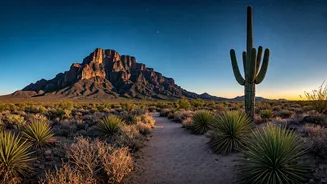
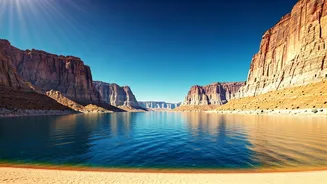
acres. This park is uniquely defined by the dramatic U-shaped curve of the Rio Grande, from which it derives its name, and by the presence of the Chisos Mountains, the only complete mountain range situated entirely within a national park. Its diverse topography creates a mosaic of captivating landscapes, ranging from the arid Chihuahuan Desert, which straddles the border between the United States and Mexico, to the elevated piñon- and juniper-studded Chisos peaks. Beyond its geological wonders, Big Bend is a haven for biodiversity, boasting over 450 avian species and an impressive array of 70 different types of cacti. This natural paradise is not only a visual feast by day but transforms into an astronomical spectacle after sunset, as it forms part of the expansive Greater Big Bend International Dark Sky Reserve, offering an unobstructed view of the Milky Way and countless constellations.
Optimal Visiting Seasons
Given its location in the heart of the Chihuahuan Desert, Big Bend National Park experiences extremely high temperatures, often soaring well above 100 degrees Fahrenheit during the summer months. To ensure a comfortable and enjoyable visit, it is highly recommended to plan your trip between late fall and early spring. During this period, the weather is significantly milder, making it ideal for exploration. While the park's entrances are accessible year-round, 24 hours a day, popular areas can become crowded. To avoid the busiest times, which typically fall on holiday weekends, Thanksgiving, Christmas, New Year's, and spring break, consider arriving early in the morning or visiting in the late afternoon and evening. This strategy will allow you to experience the park's magnificence with fewer crowds.
Spectacular Viewpoints
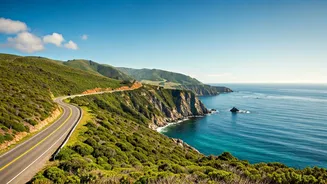
For panoramic vistas that encompass the park's stunning forests, unique rock formations, and sweeping desert panoramas, a journey to Emory Peak is essential. Standing at 7,825 feet, it is Big Bend's highest point. The trek to the summit is demanding, beginning at the Chisos Basin Visitor Center and ascending the Pinnacles Trail, which features numerous switchbacks before a final scramble to the peak. This approximately 10.5-mile round trip rewards hikers with approximately 2,500 feet of elevation gain, necessitating ample water and provisions. A more relaxed approach to appreciating the park's grandeur can be found along the Ross Maxwell Scenic Drive. This route offers numerous pull-offs, such as Mule Ears and Sotol Vista, providing breathtaking perspectives of the Chisos peaks and the Chihuahuan Desert, often framed by a vibrant assortment of cacti.
Premier Hiking Trails
The South Rim Trail provides a substantial yet manageable hiking experience, situated just a five-mile drive from the Chisos Basin Visitor Center. This approximately five-mile round-trip hike ascends 1,100 feet, offering an immersive dive into Big Bend's diverse natural environment within a few hours. It is a highly favored location, so arriving early is advised for parking. For a more extended and varied trek, the Emory Peak Trail covers 12.5 strenuous miles with nearly 2,000 feet of elevation gain, traversing multiple ecosystems including piñon and juniper woodlands, open meadows, and dramatic volcanic spires. This route can be combined with other popular Chisos Basin trails like Pinnacles and Laguna Meadows for an impressive loop, offering clear views into Mexico. Another remarkable trail is the Santa Elena Canyon Trail, a relatively mild 1.5-mile out-and-back path that winds through the park's striking canyons, showcasing towering limestone walls and ancient marine fossils. For a journey into the desert grasslands and unique geological formations, the Chimneys Trail is an excellent choice, leading to distinctive volcanic spires and ancient petroglyphs and pictographs over a five-mile hike.
Wildlife Spotting Opportunities
Big Bend National Park is a renowned sanctuary for birdwatchers, hosting an impressive diversity of over 400 reported avian species, more than nearly any other national park. Keep an eye out for Mexican jays and Colima warblers, which are frequently observed near water sources. Prime locations for bird sightings include the Rio Grande Village nature trail, the woodlands of the Chisos Basin, and Dugout Wells. The park's unique ecosystem, characterized by its mountainous terrain creating isolated 'sky islands,' also supports a surprising variety of mammals. Visitors may encounter species such as mountain lions, bobcats, elk, mule deer, rabbits, coyotes, and the Mexican black bear, which has made a notable recovery within the park. These mammals are most active during the early morning and evening hours, often in the Chisos Basin, though they can appear in any part of the park. Slow, cautious driving and hiking in groups are recommended, along with a heightened awareness of your surroundings.
Insider Tips & Activities
To truly appreciate Big Bend's wonders while avoiding crowds, consider visiting during off-peak times or exploring different parts of the day, especially dawn and dusk. Beyond the well-known attractions like Santa Elena Canyon and the hot springs, the park offers an extensive trail system with numerous rewarding, less-traveled routes, such as the Grapevine Hills Trail and the Lost Mine Trail. For a unique perspective, explore the park via canoe on the Rio Grande, though river trip availability can depend on water levels. Embrace the park's vastness by slowing down on roads to savor the scenery and protect its wildlife. Other engaging activities include rafting on the Rio Grande, backpacking on trails like the Outer Mountain Loop, and cycling on both paved roads and dirt paths. The park's exceptionally dark skies make it a prime location for stargazing, with ranger-led programs available. A fascinating day trip can also include a rowboat crossing to Boquillas, Mexico, for a cultural experience and local cuisine. Don't miss the Langford Hot Springs for a natural, rejuvenating soak.
Family Adventures & Lodging
Big Bend National Park offers numerous family-friendly activities, including gentler hikes such as the Grapevine Hills Trail and Santa Elena Canyon Trail, along with the exciting day trip to Mexico. The Big Bend National Park Fossil Discovery Exhibit is a highlight for children, showcasing significant regional archaeological discoveries, including the remains of a massive flying reptile and potential relatives of the T-rex. Easy walks like the Rio Grande Village Nature Trail provide opportunities for young explorers to observe local flora and fauna. Ranger-led programs, such as 'Dino Dig' sessions, further engage children with the park's prehistoric past. Accommodation options range from the Chisos Mountains Lodge (currently undergoing renovations), located within the park, to various lodges and resorts just outside the western entrance, such as Big Bend Resort and Adventures, The Gage Hotel, and The Summit Resort, which offers unique sky-view domes and cave rooms. Camping is also available at developed campgrounds like Chisos Basin and Rio Grande Village, with backcountry permits required for wilderness camping.