



A Taste of Tradition
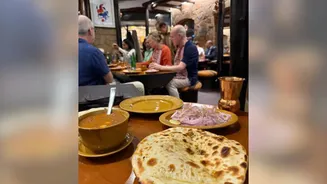
A recent viral post on X has reignited discussions about traditional Indian dining practices, specifically highlighting the celebrated Delhi establishment,
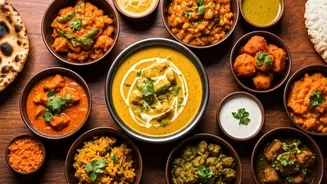
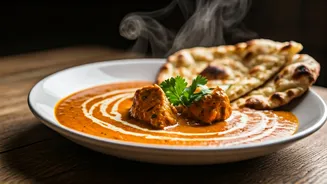
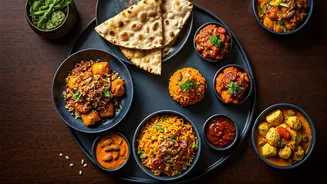
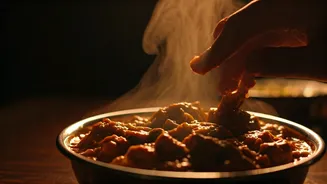
Bukhara. While many upscale restaurants feature pristine tableware and silverware as symbols of fine dining, Bukhara, renowned for its signature Dal Bukhara, actively invites its patrons to engage with their meals using their hands. This unique invitation stems from a deep-seated philosophy that seeks to enhance the culinary journey, transforming a simple meal into a holistic, multisensory event. The restaurant believes that this approach fosters a more profound connection between the diner and the food, allowing for a more intimate appreciation of the nuanced flavors and textures that define its North-West Frontier cuisine. This tradition, upheld since the restaurant's inception in 1978, stands as a testament to a commitment to authenticity and a celebration of India's rich gastronomic heritage. While cutlery is discreetly available for those who prefer it, the restaurant's ethos gently steers guests towards a more ancestral way of eating, encouraging them to embrace an experience that transcends mere sustenance.
The Manager's Quip
The viral X post captured a particularly insightful moment during a diner's visit to Bukhara. When the diner requested cutlery, the manager responded with a subtle yet profound statement: "Sir, spoon is allowed here." This was followed by a casual, yet impactful, addition: "Clinton, Obama, Trump ate by hand here. Rest is up to you." This clever remark, far from being dismissive, served as a gentle nudge, prompting the diner to reconsider their request and embrace the restaurant's distinctive custom. The diner, Jasveer Singh, humorously interpreted this as a form of 'reverse pressure,' humorously noting that it implied, "Are you from America or something?" This exchange resonated widely on social media, with many appreciating the witty approach to upholding tradition. It underscored how, for Bukhara, encouraging diners to eat with their hands isn't about dictating a rule, but about inviting them to participate in a cherished cultural practice that has been enjoyed by guests, including global leaders, for decades. The manager's comment perfectly encapsulated the restaurant's philosophy: an invitation to experience Indian cuisine as it's meant to be savored.
Embracing the Multisensory
Bukhara's dedication to the hand-eating tradition is rooted in its philosophy of providing a complete, multisensory dining experience. According to a spokesperson, the restaurant, a long-standing fixture since 1978, embodies ITC Hotels' unwavering commitment to quality and consistency. The culinary journey offered here is designed to reflect the very essence of Indian culture, with flavors as intricate and layered as the restaurant's ambiance. Every meal is an opportunity for guests to connect with their food on a deeper level. This immersive approach allows the robust and classic flavors of the North-West Frontier to be fully appreciated, enhancing the gastronomic heritage the restaurant is celebrated for. By encouraging diners to use their hands, Bukhara aims to cultivate a holistic dining experience that goes beyond taste, engaging touch and smell to create a more memorable interaction with the cuisine. This unique practice is a cornerstone of Bukhara's identity, continually offering an authentic and deeply satisfying culinary adventure that honors its roots and ensures a timeless dining experience.
Cultural Connection and Reactions
The viral post about Bukhara's hand-eating philosophy sparked a lively debate and a wave of positive reactions on X. Many users expressed their delight and agreement with the restaurant's approach. One comment perfectly captured the sentiment: "When culture becomes the cutlery." Others chimed in with affirmations like, "Indian khaana haath se double tasty ho jaata hai" (Indian food becomes twice as tasty when eaten with hands). Several individuals shared personal anecdotes, noting how hearing about the tradition, such as the manager's gentle reminder, gave them 'goosebumps' and was a significant reason for their affection for Bukhara, in addition to the exceptional food. This widespread appreciation highlights how Bukhara’s practice is not merely a quirky dining habit but a significant cultural statement. It resonates with those who value authenticity and seek dining experiences that offer a genuine connection to heritage. The enthusiasm demonstrates that for many, embracing this tradition is an integral part of the Bukhara experience, adding a layer of cultural richness that makes the meal truly unforgettable.