
Light's Crucial Role
Light plays a surprisingly significant role in seed germination, with some species requiring direct exposure to initiate growth. Small-seeded vegetables
and flowers often fall into this category and benefit from being lightly pressed into or barely covered by soil. However, the majority of seeds are more forgiving and perform optimally with indirect light or even darkness until they emerge. Overexposure to direct sunlight can actually hinder the sprouting process. Once seedlings have successfully emerged, light becomes indispensable for developing strong stems and robust growth. It's recommended to position grow lights 2 to 3 inches above young plants, adjusting the height as they grow, and providing 8 to 10 hours of daily illumination, with an overnight rest period. Gradually increasing light exposure helps prevent weak, leggy growth. For those using sunny windowsills, daily rotation of containers ensures balanced development.
Temperature for Germination
Soil temperature is a pivotal factor, with most seeds ideally germinating when the soil registers between 70°F and 75°F. Insufficient warmth is a common reason for delayed sprouting. This is why direct sowing outdoors is often postponed until after the last frost. Starting seeds indoors grants greater command over both soil and ambient temperatures. To gauge outdoor soil warmth, a digital thermometer can be used, or one can wait for air temperatures to consistently remain above 75°F for a minimum of three consecutive days and nights. Accelerating soil warming can be achieved by covering planting areas with black plastic. It's important to note that some plants prefer cooler germination temperatures but will naturally take longer to sprout, potentially up to three times the average duration. For indoor seed starting, selecting a warm spot and utilizing grow lights is beneficial. Before planting, moisten the growing medium with warm, not hot, water. Employing heat mats or placing seed trays in a warm area, such as atop a refrigerator, can also boost germination. Certain seeds require a period of cold exposure, known as cold stratification, to break dormancy; this involves refrigerating seeds in plastic bags with a bit of soil, moss, or sawdust for a specified duration.
Moisture's Vital Touch
The synergy of heat and moisture is the primary stimulant for seed germination, with moist soil retaining heat more effectively. However, excessively waterlogged soil can lead to rot. Before direct sowing, it's prudent to check garden soil for adequate moisture levels. Seeds started indoors are particularly susceptible to sitting in overly wet conditions. Ensure that the containers or cells used have proper drainage holes and maintain consistent soil moisture. For seeds started in cells, peat pellets, or peat pots, daily moisture checks are recommended as these can dry out rapidly. While seeds can still germinate if the soil dries out, the process may be significantly delayed. To maintain optimal moisture and humidity levels, particularly for indoor setups, plastic domes are effective. Remember to remove these domes for about an hour each day to allow for essential airflow. Additionally, many seed types benefit from a pre-planting soak in room temperature water, which softens their outer coating, making it easier for the nascent sprout to emerge.
Seed Type and Age Matters
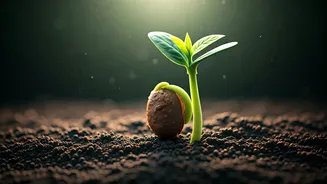
The inherent characteristics of the seed itself, including its type and age, are significant determinants of germination speed and success. Some seeds, by their very nature, will simply take longer to germinate. Likewise, the age of your seeds can profoundly impact their viability; all seeds have a finite lifespan, but most common garden vegetable and herb seeds remain viable for at least two years. Beyond this period, the probability of successful germination tends to decrease. When working with older seeds, it's a wise practice to sow two or more seeds per pot or cell to enhance the chances of at least one successfully sprouting. Seeds that exhibit rapid germination, typically sprouting within three to seven days, are often larger, last for three to four years, and include vegetables like beans, beets, cucumbers, leafy greens (kale, chard, arugula, lettuce), peas, radishes, turnips, cabbage, broccoli, and cauliflower. Common fast-sprouting herbs include basil, cilantro, dill, chives, and mint, while flowers like zinnias, cosmos, nasturtiums, sunflowers, and marigolds are also quick to emerge. Conversely, seeds that germinate slowly, taking three weeks or more, often possess tough outer coverings and may require special treatments like cold stratification, scarification, or soaking. While some flowers and herbs maintain viability for extended periods, vegetable seeds such as peppers and leeks are best replaced after two years. Examples of slow-germinating vegetables include peppers, celery, carrots, eggplant, leeks, and parsnips. In the herb category, rosemary, lavender, oregano, sage, thyme, and parsley are slower growers, and flowers like coneflower, lavender, astilbe, heliotrope, and milkweed also fall into this group.
Tips for Germination Success
To maximize your chances of successful seed germination, pay close attention to the details provided on seed packets. These often contain vital information regarding planting depth, optimal temperature ranges, and expected germination times. For best results, utilize a soilless seed-starting mix; these sterile mediums help prevent diseases from soil contaminants, promote superior drainage, and offer a fine texture that facilitates easier seed penetration. Certain specialty seeds require scarification, a process that involves breaking down a hard outer hull, which can sometimes be achieved by gently rubbing seeds with sandpaper. If your seeds call for cold stratification, consider winter sowing, where seeds are placed in flats outdoors to naturally experience the required cold period. Watering seedlings from the bottom up is another beneficial technique, as it helps prevent the soil surface from becoming overly saturated, thereby reducing the risk of damping-off diseases.