


Millet's Grand Return
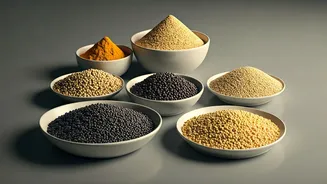
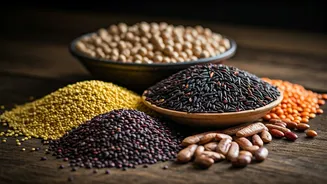
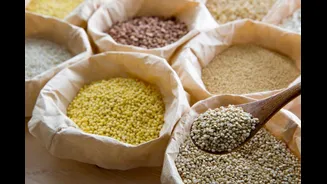
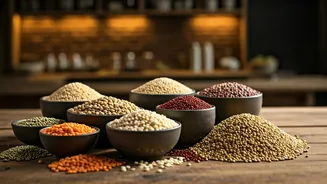
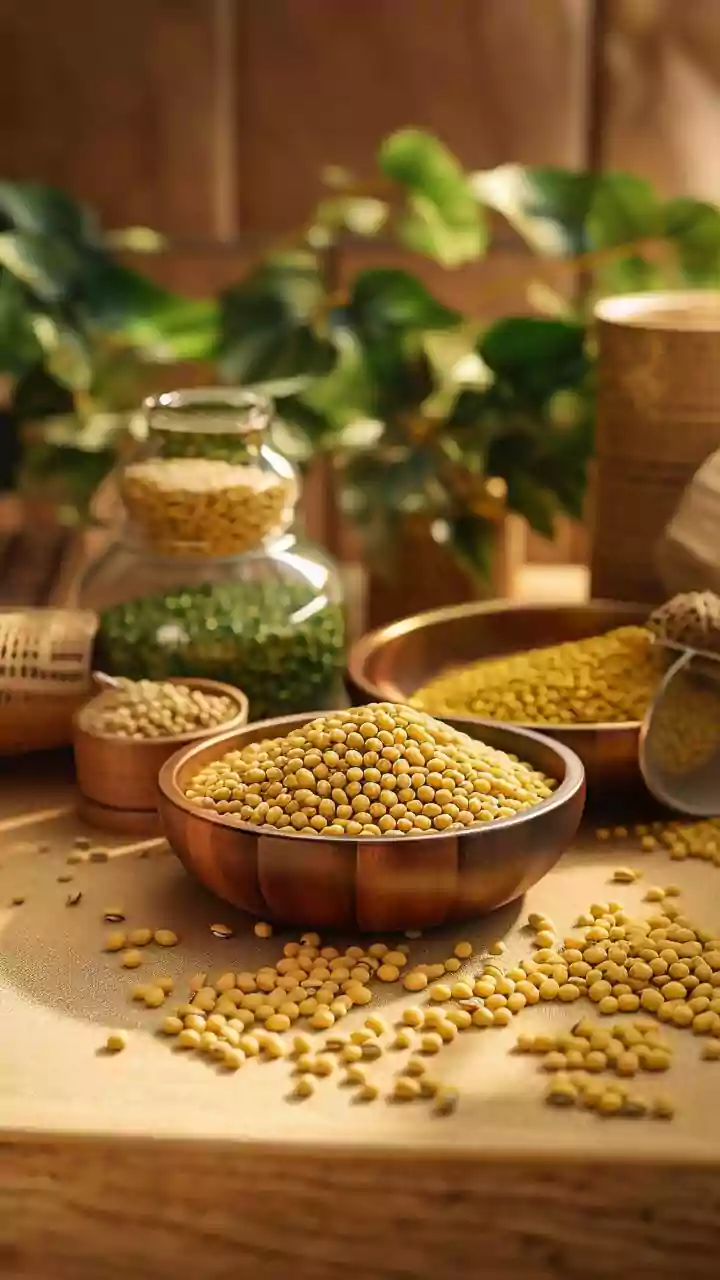
Before millets like bajra, jowar, and ragi were hailed as 'supergrains,' they were everyday staples in Indian households, often prepared as filling rotis
or wholesome porridges. Their nutritional density and slow energy release were understood implicitly by previous generations. Now, with a renewed focus on balanced eating and managing blood sugar levels, these ancient grains are experiencing a significant revival. They are no longer seen as a lesser alternative but are celebrated for their rich fiber content and mineral composition, positioning them as a smart, healthier carbohydrate choice that aligns with modern wellness goals.
Jaggery: Nature's Sweetener
Long before refined sugar became ubiquitous, jaggery (unrefined cane sugar) was the go-to sweetener in Indian homes. It was a versatile ingredient, incorporated into warm beverages, traditional sweets, and energizing winter dishes. Today, jaggery is embraced as a natural and more wholesome alternative to processed sugars. Its deep, complex flavor and inherent connection to tradition lend it a comforting, rustic appeal. This resurgence reflects a desire for sweetness that feels authentic and less industrial, reconnecting with a more natural way of satisfying sweet cravings while appreciating its cultural significance.
Curd: Gut's Best Friend
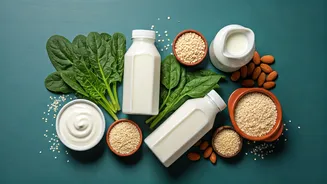
Curd, or dahi, has always been an indispensable part of the Indian diet, far from being a fleeting trend. It was a daily accompaniment to meals, a base for refreshing drinks like chaas, or a cooling agent during hot weather. Grandparents relied on its familiar goodness and efficacy. Now, modern wellness culture recognizes curd as a powerhouse of probiotics, essential for gut health and boosting immunity. While scientific validation is more prominent now, the fundamental practice of consuming curd for digestive comfort and overall well-being remains a testament to its enduring value, proving that some foods need only be remembered, not reinvented.
Makhana: The Light Snack
Makhana, or fox nuts, previously held a modest position in Indian cuisine, primarily consumed during fasting periods or as a simple roasted snack with ghee and spices. Stored routinely in pantries, it was a light, easily digestible option for children and adults alike. In recent years, makhana has undergone a remarkable transformation, now presented as a premium, health-conscious snack. Marketed with emphasis on its high protein and low-fat content, it appeals to those seeking mindful eating options. This shift from a humble staple to a sophisticated snack highlights its inherent versatility and lightness, which have contributed to its sustained popularity.
Ghee: Nourishing Fat
Ghee, clarified butter, was once a fundamental component of Indian cooking, generously used in everything from rotis and rice to dals and sweets, without question. However, shifts in dietary guidelines led to it being viewed with suspicion. It has now re-emerged, embraced in moderation for its rich flavor, satiating qualities, and traditional appeal. For previous generations, ghee was not a luxury but a source of essential nourishment, comfort, and strength. Its renewed acceptance signifies a broader trend toward valuing foods that offer both tangible health benefits and a comforting connection to culinary heritage.
Fermented Foods' Power
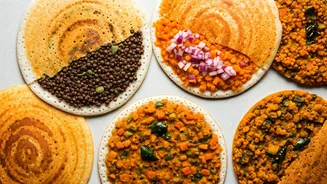
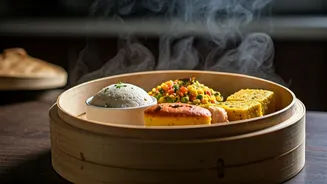
Long before the term 'microbiome' gained popularity, Indian kitchens were adept at fermenting foods like idlis, dosas, dhokla, kanji, and various pickles. These were practical, seasonal preparations rooted in generations of household knowledge, not explicitly designed as health products. Today, fermentation is recognized globally for its significant contributions to gut health and microbial diversity. In India, however, this practice has always been an integral part of everyday cooking. The 'newness' of fermented foods to many is essentially a rediscovery of ancient culinary wisdom that is both scientifically supported and deeply embedded in cultural memory.
Chutneys and Spices
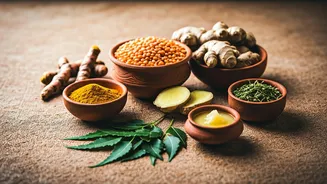
Chutneys were never mere accompaniments in Indian households; they were integral to the dining experience, providing zest, freshness, and depth to meals with varieties like coconut, peanut, mint, and tomato. Similarly, spices such as ajwain, jeera, methi, turmeric, and black pepper were daily essentials, valued for their digestive benefits and flavor enhancement. Modern food culture is now acknowledging what Indian kitchens have always known: that taste and health are intrinsically linked. Chutneys and spices are being celebrated again for their ability to elevate simple dishes and for embodying the wisdom of cooking traditions that prioritized function and flavor inherently.