







Fueling the Crisis
A confluence of geopolitical events in West Asia has sent ripples through the global energy market, directly impacting the availability of commercial Liquefied
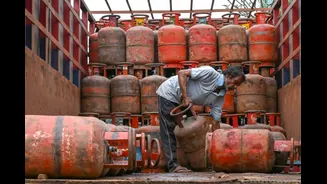
Petroleum Gas (LPG) in Kolkata. This shortage, coupled with increased prices for domestic cooking gas, has placed immense pressure on the city's numerous small eateries and roadside food stalls. Distributors are reportedly prioritizing essential services like schools and hospitals, leading to significant cutbacks in supply to the hospitality sector. Consequently, many establishments are finding it exceedingly difficult to secure the necessary gas cylinders to operate their kitchens, forcing them into a difficult position of either absorbing escalating costs or passing them onto already budget-conscious customers. This situation is not isolated; it's a city-wide concern affecting a wide range of food businesses.
Diners Face Dilemma
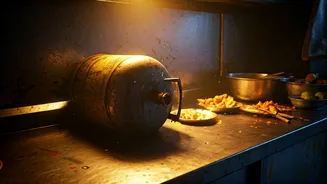
The ramifications of the commercial LPG shortage are acutely felt by both the proprietors of small eateries and their loyal customer base. With the price of a 19 kg commercial LPG cylinder now hovering around Rs 2,000, the cost of preparing meals has significantly increased. To remain viable, many businesses are compelled to either hike their food prices, a move that inevitably deters customers, or to reduce the portion sizes of their offerings. This difficult choice creates a lose-lose scenario. Food vendors, who form the backbone of Kolkata's culinary landscape, are facing the grim prospect of temporary closures or, in the worst-case scenario, permanent shutdowns. The uncertainty surrounding future gas supplies is a constant source of anxiety, making long-term planning nearly impossible for these often small, family-run operations.
Traditional Stoves Return
As the scarcity of commercial LPG cylinders intensifies, a growing number of small food businesses in Kolkata are contemplating a nostalgic, albeit challenging, return to traditional cooking methods. The thought of reinstating coal or charcoal stoves, once the standard for many roadside eateries, is becoming a serious consideration. However, this transition is far from simple. It involves not only the cost of acquiring and maintaining these older cooking appliances but also the labor-intensive nature of managing them. Furthermore, the shift to open flames raises concerns about ventilation and adherence to modern food safety standards. This potential resurgence of older cooking techniques underscores the depth of the current fuel crisis and the innovative, if somewhat backward-looking, solutions that businesses are being forced to explore to keep their kitchens alive.
Black Market Concerns
Adding another layer of complexity to the commercial LPG shortage is the disturbing emergence of a black market where cylinders are being sold at exorbitant prices. Reports from various food hubs and busy commercial areas indicate that the scarcity has created an environment ripe for exploitation. Owners of small fast-food shops have voiced their concerns about the inflated prices being demanded for gas cylinders, with some fearing that even these black market sources may soon dry up. This situation creates immense financial strain, as businesses are forced to pay significantly above the official rates just to secure a supply of cooking gas. The lack of regulated access and the rampant profiteering highlight the systemic issues exacerbating the crisis and pushing many small businesses closer to the edge.