






Digestive Relief Blooms
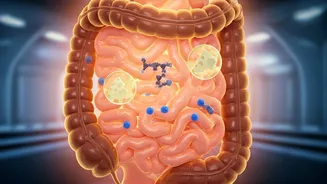
For individuals who find dairy difficult to process, a two-week hiatus can bring noticeable relief from common digestive woes. When the body struggles
to break down lactose, the sugar found in milk and its derivatives, symptoms like uncomfortable bloating, excess gas, and general stomach upset can manifest. By removing dairy, the digestive system is spared the challenge of processing this specific sugar, allowing the gut a period of respite and potentially leading to a feeling of lightness and reduced discomfort for many. This break can be particularly beneficial for those who suspect they have lactose sensitivity, offering a clear indicator of how dairy impacts their system.
Calcium Intake Alert
Dairy products are renowned for being a prime source of readily absorbable calcium, a mineral vital for maintaining strong bones, facilitating muscle contractions, and ensuring proper nerve functionality. Should you choose to abstain from dairy for two weeks without actively seeking out alternative sources, your daily calcium intake could see a significant decline. It's crucial for anyone cutting out dairy to proactively incorporate calcium-rich foods such as sesame seeds, almonds, tofu, ragi (finger millet), and various leafy green vegetables into their diet to prevent any deficiencies and support skeletal health.
Gut Microbes Shift
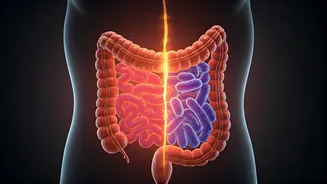
The intricate ecosystem within your gut, populated by diverse bacteria, can be influenced by dietary choices. Fermented dairy items like yogurt are known to harbor and support beneficial gut bacteria. When dairy is excluded from the diet, particularly without the introduction of other probiotic-rich foods, the population of these helpful microbes might experience a temporary reduction. While some individuals might find their digestion improves, others may notice subtle alterations. To maintain a healthy gut balance, it's advisable to consider incorporating fermented plant-based foods or plant-based probiotic supplements as dairy-free alternatives.
Vitamin D Needs
Many dairy products are fortified with vitamin D, a nutrient essential for the body's efficient absorption of calcium, which is critical for bone health. While a two-week period without dairy is unlikely to cause a significant vitamin D deficiency, prolonged avoidance without alternative sources can eventually lead to issues. During a dairy-free phase, it becomes increasingly important to ensure adequate intake of vitamin D through other means. This includes spending time in sunlight (safely), consuming fortified plant-based milks, and potentially considering supplements to maintain optimal levels.
Skin's Subtle Dance
The relationship between dairy consumption and skin health, particularly acne, is a topic of ongoing discussion, with varied findings. For some individuals, abstaining from dairy for a fortnight might lead to a noticeable reduction in breakouts or a calmer, less inflamed complexion. However, many others may observe no discernible difference in their skin. It's important to recognize that skin condition is influenced by a complex interplay of factors, including hormones, overall dietary patterns, hydration levels, and genetics, rather than solely by the inclusion or exclusion of dairy products.