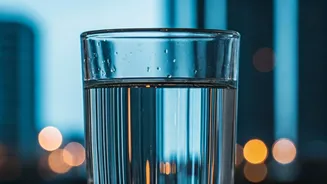








Visual Clarity Misconception
The perception of clean water in urban areas is often tied to its appearance. People tend to believe that clear water equals safe water. This perspective
can stem from an assumption that effective water treatment processes always eliminate all harmful substances. While filtration and purification methods are often employed, they are not foolproof. Various invisible contaminants can remain, posing potential health risks. This belief, although widespread, presents a critical gap in public understanding of water safety. The clarity we observe might mask the presence of pathogens, heavy metals, or chemical residues, underscoring the importance of going beyond visual assessments. Trusting only in the appearance can lead to a false sense of security regarding water quality.
Hidden Contaminants Explained
The unseen threats to water safety are numerous and varied. One primary concern is microbial contamination, including bacteria, viruses, and parasites. These can enter water supplies through sewage leaks, agricultural runoff, and industrial discharges. Another category of contaminants includes heavy metals like lead and mercury, which can leach into water from old pipes or industrial processes, causing serious health issues over time. Chemical pollutants, such as pesticides, herbicides, and pharmaceuticals, also pose significant risks. These can seep into groundwater or enter surface water systems through agricultural practices or improper waste disposal. Finally, disinfection byproducts, formed when disinfectants like chlorine react with organic matter in water, are of concern due to their potential carcinogenic effects. Addressing these hidden contaminants requires comprehensive testing and advanced treatment strategies.
Sources of Contamination
Understanding the source of water contamination is key to mitigating its effects. Urban water sources are often subject to diverse contamination pathways. Sewage and wastewater are common sources, introducing bacteria, viruses, and other pathogens. Industrial activities can discharge heavy metals, chemical pollutants, and other harmful substances into waterways. Agricultural practices, including the use of pesticides and fertilizers, contribute to runoff that can contaminate both surface and groundwater. Leaks and aging infrastructure, such as old pipes, can also introduce contaminants. For example, lead pipes can leach lead into the water. Additionally, natural events, such as floods and heavy rainfall, can exacerbate contamination issues by washing pollutants into water sources. Addressing these sources requires an integrated approach that includes improved wastewater management, strict industrial regulations, sustainable agricultural practices, and investments in infrastructure upgrades.
Testing and Treatment
Comprehensive testing and advanced treatment technologies are essential for ensuring safe drinking water in urban areas. Regular water quality testing helps identify the presence and levels of contaminants. These tests can range from basic screening for common pollutants to advanced analysis for specific contaminants. Water treatment processes typically involve multiple steps designed to remove or neutralize harmful substances. Common methods include filtration to remove particles, disinfection using chlorine or other disinfectants to kill pathogens, and coagulation and flocculation to remove suspended solids. Advanced treatment methods, such as activated carbon filtration and reverse osmosis, can remove a broader range of contaminants, including heavy metals and chemicals. Effective water management relies on both robust testing and appropriate treatment strategies, continually adjusted to the specific contamination risks present in each urban environment.
Individual Protection Measures
While urban water systems strive to provide safe water, individuals can take additional measures to protect their health. Installing water filters at home, such as pitcher filters or faucet-mounted filters, can help remove certain contaminants, including chlorine and sediment. Boiling water for a few minutes can kill most pathogens. However, it does not remove heavy metals or chemicals. Staying informed about local water quality reports and advisories is important, as these can alert residents to potential risks. For example, if there is a boil water advisory, it is crucial to heed the instructions provided by local authorities. Furthermore, using bottled water for drinking and cooking can provide an added layer of safety, especially when there are known concerns about the water supply. Combining these individual actions with proactive advocacy for better water management can significantly improve water safety.