

What is Desi Khand?
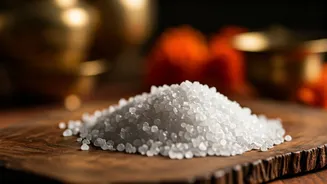
Desi Khand, often referred to as 'khandsari sugar,' is a traditional Indian sweetener. It's produced using an age-old method. It involves the crystallization
of sugarcane juice, without the use of chemicals or refining agents. The process results in a coarser, less processed form of sugar compared to refined white sugar. Desi Khand retains some of the molasses, giving it a unique flavor profile and a slightly golden hue. This natural sweetener has been a part of Indian culinary traditions for centuries and is now experiencing a resurgence, especially during festive seasons.
A Return to Tradition
The growing popularity of Desi Khand reflects a broader trend: a return to traditional and natural ingredients. Consumers are increasingly seeking out healthier and more authentic alternatives to refined sugars. The minimal processing involved in making Desi Khand ensures that it retains certain nutrients and natural flavors absent in white sugar. This resonates with health-conscious individuals who wish to enjoy sweets without compromising on their well-being. Moreover, the distinctive taste of Desi Khand enhances the flavor of traditional Indian desserts, adding depth and complexity that refined sugar might lack.
Taste and Texture
One of the key advantages of Desi Khand lies in its distinct taste and texture. Unlike the uniform sweetness of white sugar, Desi Khand offers a more nuanced flavor. It has subtle notes of molasses, which can add a warm, caramel-like dimension to the desserts. The texture is also different; the crystals tend to be coarser, which can create a unique mouthfeel in sweets. This combination of flavor and texture makes Desi Khand an interesting ingredient that elevates the overall experience of eating Indian sweets. It is particularly well-suited for traditional recipes where the original flavors of the other components are enhanced by the unique taste profile of the sugar.
Festive Dessert Revival
The shift towards Desi Khand is particularly noticeable in the preparation of festive desserts. Across India, the festive season is synonymous with sweets, and there's a growing inclination to use Desi Khand in classic recipes like ladoos, barfis, and halwas. The use of this sugar not only adds an authentic taste but also aligns with the festive ethos of embracing natural and traditional ingredients. Bakers and home cooks are experimenting with Desi Khand to give familiar sweets a fresh, revitalized flavor. This trend is not just about taste; it is also a way to honor culinary heritage and offer healthier choices during celebratory occasions.
Health and Wellness
Desi Khand offers certain health benefits over refined sugar. Because it undergoes minimal processing, it retains some of the nutrients from sugarcane, including trace minerals. Although Desi Khand is still primarily sugar, it does not involve the same level of chemical processing as refined white sugar. This makes it a slightly better option for individuals seeking to reduce their intake of highly processed foods. Furthermore, the lower glycemic index of Desi Khand, compared to refined sugar, may cause a slower release of glucose into the bloodstream, which is a beneficial feature for those managing blood sugar levels. However, it should be consumed in moderation as part of a balanced diet.
Sustainability Matters
The production of Desi Khand often aligns with sustainable practices. Traditional methods of sugar production tend to be less energy-intensive and have a lower environmental impact than large-scale industrial sugar refining. The local production of Desi Khand supports small-scale farmers and businesses, contributing to the local economy. This focus on sustainability and eco-friendly practices resonates with modern consumers who are increasingly conscious of the environmental implications of their dietary choices. Using Desi Khand in festive desserts is, therefore, not just about flavor; it's also a choice that supports environmentally responsible practices.
The Future of Khand
The rising appeal of Desi Khand indicates a wider trend in food and culture: the comeback of traditional ingredients and preparation methods. As consumers become more knowledgeable about food origins and processing, the demand for natural and minimally processed products is likely to grow. Desi Khand is well-positioned to capitalize on this trend. It is already gaining traction in the food industry, with chefs and food producers integrating it into various culinary applications beyond traditional desserts. The future of Desi Khand seems bright, with a potential to become a staple sweetener in Indian households and beyond, shaping the way we approach sweets and festive treats.