







Ancient Ocean Ritual
Seaweed bathing, known by its Greek name Thalassotherapy, is a remarkable wellness tradition that has gracefully endured for ages, remarkably preserving
its original form. This practice involves immersing oneself in warm baths generously infused with seaweed, renowned for its rich mineral content and therapeutic properties. Predominantly found in coastal communities, particularly along the shores of Ireland and various European locales, this treatment harmoniously merges the restorative power of nature with profound relaxation and the distinct charm of seaside living. Even today, it continues to offer a singular spa experience, deeply embedded in the maritime heritage that shaped its inception and popularization.
From Irish Coasts
The origins of seaweed bathing can be traced back to the rugged Atlantic coastlines of Ireland. It gained significant traction during the 19th century, a period when seaside bathhouses started offering these soothing hot seaweed baths. Initially, these were a popular amenity for hardworking fishermen and curious visitors who sought respite and rejuvenation after demanding days spent at sea. This historical context highlights how the practice was intrinsically linked to the local environment and the needs of the community, establishing it as a cherished form of relaxation and recovery.
How the Magic Unfolds
The process of a seaweed bath is beautifully simple yet deeply effective. Freshly gathered or carefully dried seaweed is introduced into a tub filled with hot water. As the temperature rises, the seaweed softens, expands, and releases its beneficial compounds into the water, creating a silky, nutrient-dense liquid. Bathers typically spend between 20 to 30 minutes submerged, allowing the floating seaweed to gently massage and envelop them, fostering an immersive and deeply calming ocean-inspired experience that soothes both body and mind.
Key Seaweed Varieties
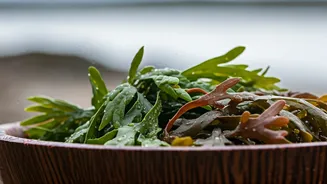
The effectiveness of seaweed baths largely stems from the specific types of seaweed employed in their preparation. Commonly utilized are brown seaweeds such as Bladderwrack and Knotted Wrack. These particular varieties possess a unique characteristic: they expand significantly when placed in warm water. This expansion process not only contributes to the luxurious texture of the bathwater but also facilitates the release of natural oils and a rich array of minerals, which are believed to offer numerous health and relaxation benefits to those who partake in the ritual.
Victorian Spa Craze
Seaweed bathing experienced a surge in popularity and fashion during the Victorian era, coinciding with a burgeoning interest in coastal tourism. As seaside towns evolved into popular destinations, numerous bathhouses emerged, offering visitors the novel experience of heated seaweed baths. This trend provided a unique way for tourists to enjoy the invigorating sea air and waters, often after a bracing swim in the ocean, further solidifying seaweed bathing's reputation as a luxurious and healthful spa treatment of its time.
Modern Revival
In contemporary times, seaweed bathing is enjoying a significant resurgence, driven by the growing global interest in natural wellness solutions and therapies derived from the ocean. Many upscale modern spas now incorporate treatments that are inspired by this age-old practice. This renewed appreciation makes it a highly sought-after experience for travelers and wellness enthusiasts who are actively seeking out distinctive and authentic spa journeys that connect them with nature's healing powers.