




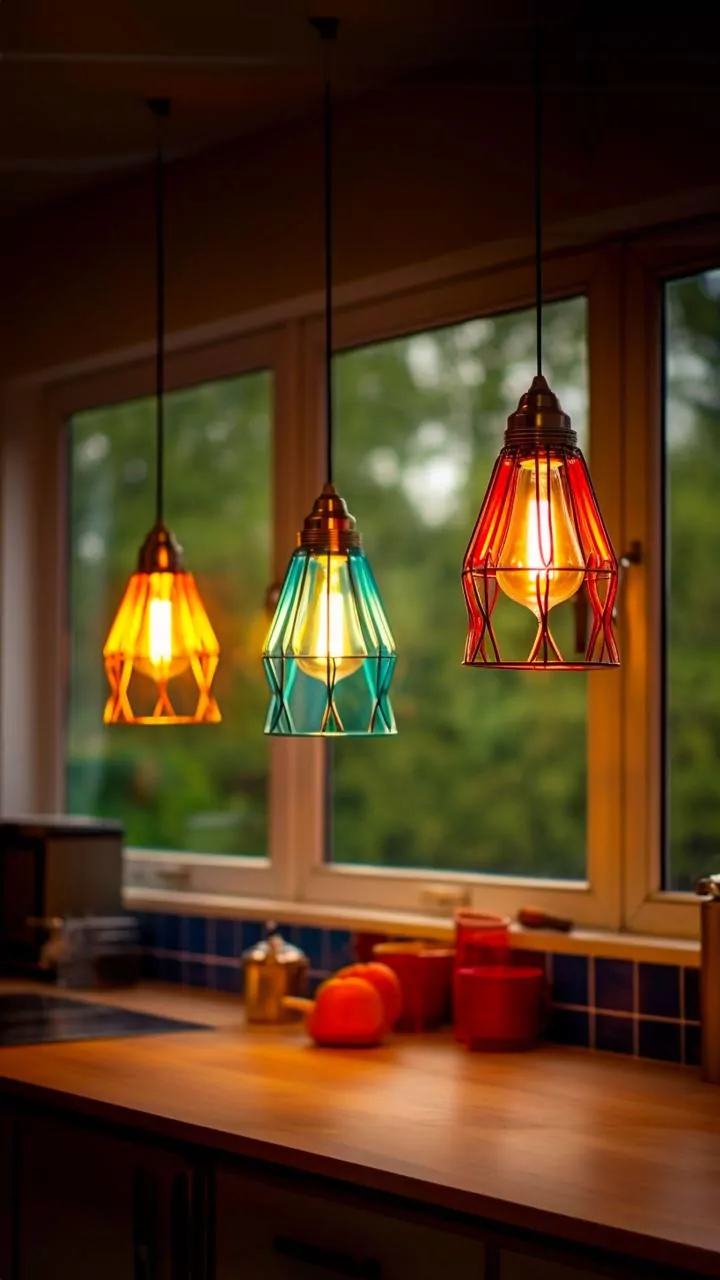
Cultivate Light Pools
Harsh, direct illumination can often feel stark, detracting from a comfortable ambiance. Interior designers advocate for layering light sources to generate
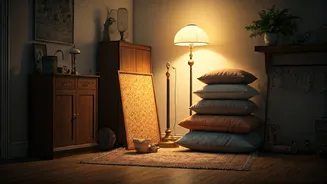
gentle, encompassing glows, fostering a more serene and welcoming environment. Instead of relying on a single, intense light, aim for multiple lamps and fixtures that create soft pockets of light. Materials such as frosted glass or rice paper shades are excellent for diffusing light, contributing to this desirable pooling effect and making any room feel more inviting and tranquil. This approach moves away from purely functional lighting towards creating an atmosphere that enhances well-being and comfort, especially during months with limited natural daylight.
Select Color Temperature
The color temperature of a light bulb, measured in Kelvin (K), significantly impacts a room's mood. For combating winter's chill, designers recommend warmer light, with 2700K often cited as an ideal sweet spot, evoking the comforting glow of candlelight rather than the starkness of hospital lighting. Beyond a singular temperature, varying the color temperature throughout the day can be highly beneficial. For instance, using cooler, daylight-simulating light in the morning can help signal alertness to your brain, akin to natural sunlight, aiding in waking up. As evening approaches, transitioning to softer, warmer light sources encourages relaxation and signals the body to wind down, promoting better sleep and a calmer end to the day.
Strategic Light Placement
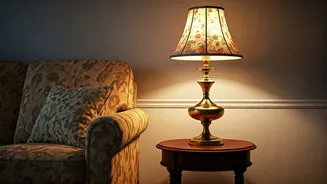
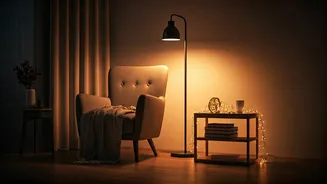
A key principle for enhancing comfort and mood is placing light sources thoughtfully, specifically at a lower level and in close proximity to where you spend your time relaxing. Designer John Stivale emphasizes that the visual appeal of a lamp in a corner is less important than its functional placement. Positioning a lamp right where you intend to read, knit, or unwind provides an immediate uplift and makes the space feel more intimate and cheerful. This strategic placement ensures that light is available precisely when and where it's needed for comfort, acting as an instant mood enhancer and contributing to a cozier, happier atmosphere.
Embrace Dimmers & Layers
Dimmers are an invaluable tool for manipulating ambiance, particularly during social gatherings or extended winter evenings. They allow for subtle adjustments to the room's brightness, which can influence the mood and flow of conversation. For example, gradually increasing the light can gently encourage guests to wrap up a gathering, while warmer, dimmer light fosters a more relaxed atmosphere conducive to extended conversation. Complementing this, layering different types of light—combining table lamps, floor lamps, and diffused overhead lighting—ensures a harmonious and inviting illumination throughout the space, avoiding any harshness and contributing to a well-rounded, comfortable environment.
Don't Neglect Task Lighting
Beyond ambient lighting, task lighting plays a crucial role, especially for activities requiring focus. Whether it's a reading lamp beside a favorite armchair or pendant lights over a kitchen workspace, these should ideally be cooler, daylight-temperature bulbs. Cooler light provides greater brightness and contrast, which is beneficial for reducing eye strain when reading or performing detailed work. Designers often find that clients experiencing headaches while reading might be using incorrect bulb temperatures. Ensuring adequate and appropriate task lighting can significantly improve comfort and prevent visual fatigue.