





Gut's Influence on Heart
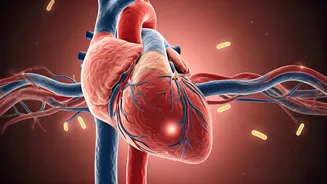
The connection between our digestive system and cardiovascular well-being, often termed the 'gut-heart axis,' is a rapidly advancing field in medical research.
The vast community of microorganisms residing in our gut, known as the microbiome, significantly impacts heart health through various mechanisms. When this microbial balance is disturbed, leading to a condition called dysbiosis, the intestinal lining can become more permeable. This increased permeability allows inflammatory substances to enter the bloodstream, and it also impairs the body's ability to effectively manage fats and regulate blood sugar. These issues are far from minor in cardiology; persistent inflammation, unhealthy cholesterol levels (dyslipidemia), and compromised glucose metabolism are recognized as primary contributors to the development of atherosclerosis, which is the hardening and narrowing of arteries, and coronary artery disease.
Probiotic Market Expansion
Walk into any pharmacy across India today, and you'll notice a dramatic increase in the availability of probiotic products compared to just five years ago. The marketing claims associated with these supplements have also diversified significantly. Initially focused on benefits like improved gut health, boosted immunity, and enhanced digestion, these claims now frequently extend to promoting heart health. This particular assertion warrants careful scrutiny because the scientific backing is more intricate and nuanced than often conveyed by product marketing or met with widespread skepticism. The growing presence of probiotics in the market reflects a broader public interest and a scientific exploration into how these beneficial microbes might positively influence various aspects of human health, including our cardiovascular system.
Scientific Basis Explored
While the research on probiotics and heart health is indeed developing and merits serious consideration, it's important to acknowledge that we haven't reached a point where definitive, widespread recommendations for heart protection based solely on probiotics can be clinically established. For the majority of individuals, incorporating foods rich in beneficial bacteria, such as traditional Indian staples like yogurt, buttermilk, and fermented vegetables, offers a dual advantage. These foods not only contribute beneficial microbes to the gut but also provide essential nutrients and a broader nutritional profile. Probiotics function by actively supporting the growth and dominance of beneficial bacteria within the gut environment, simultaneously creating conditions that make it less hospitable for harmful bacteria to thrive and multiply.