






Why Lizards Visit
The onset of warmer weather and increased humidity, particularly during summers and leading up to the monsoons in India, creates an inviting environment
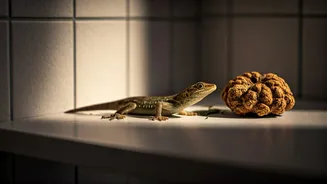
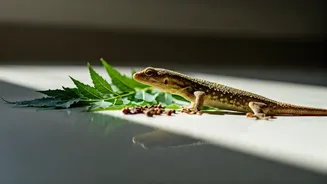
for lizards. These reptiles venture indoors primarily in search of sustenance, as the insect population naturally booms during these periods. They are often drawn to areas where insects congregate, such as near lights, in kitchens, and on balconies, seeking both food and a suitable habitat. While their presence acts as a natural pest control mechanism, consuming mosquitoes and other nuisance insects, their sudden appearances and movements can cause distress and discomfort for many residents. Understanding these triggers helps in devising proactive strategies to prevent their entry into living spaces.
Deprive Their Food Source
The most effective way to deter lizards is to eliminate their primary food source: insects. Lizards are opportunistic hunters, and their diet largely consists of flies, ants, and mosquitoes. To combat this, maintaining a scrupulously clean home is paramount. Promptly wipe down kitchen counters after use, dispose of food scraps immediately in sealed bins, and ensure all food is properly covered. Sealing windows and doors can significantly reduce the influx of insects into your home. Furthermore, consider dimming or switching off unnecessary outdoor lights at night, as these often attract insects, which in turn attract lizards. By making your home less appealing to bugs, you indirectly make it uninviting for lizards, effectively breaking their food chain and discouraging their visits, as supported by research from the CSR Journal.
Seal Entry Points
Lizards can exploit even the smallest openings to gain access to your home. A thorough inspection of your living space can reveal numerous potential entry points that need to be addressed. Pay close attention to gaps and cracks that may have formed around door frames, window sills, and any pipes that penetrate walls. These small fissures provide easy passage for both insects and lizards. Utilize sealing compounds like silicone or weather stripping to effectively close these gaps. Additionally, examine vents and any other openings to ensure they are adequately protected. By diligently sealing these potential entry routes, you create a more formidable barrier against unwelcome reptilian visitors.
Aromatic Deterrents
Certain potent scents act as natural repellents for lizards, making them avoid areas where these aromas are present. This approach offers a chemical-free solution to keep them at bay. Common household items with strong smells, such as garlic and onions, can be strategically placed around your home. Simply slicing these vegetables and leaving them in areas where lizards are frequently spotted, like near doorways, windowsills, and in corners, can be effective. Other natural repellents include essential oils like eucalyptus oil. Placing a few drops on cotton balls and distributing them in common lizard habitats can create an uninviting olfactory environment. Pepper spray is also known to deter them. These pungent natural remedies provide a safe and effective way to discourage lizards without causing them harm.
Declutter and Illuminate
Lizards are drawn to dark, secluded spaces where they can hide and feel secure. Reducing the number of potential hiding spots within your home is a crucial step in making it less attractive to them. Begin by decluttering areas that tend to accumulate clutter, such as storage rooms, garages, and even under furniture. Remove old boxes, piles of paper, and any other items that create dark nooks and crannies. In addition to removing clutter, increasing the ambient light in your home can also be beneficial. Lizards prefer dim environments, so ensuring that dimly lit areas are illuminated can make them feel exposed and less inclined to stay. This proactive approach to tidiness and lighting significantly diminishes their opportunities for concealment.
The Eggshell Stratagem
A classic and widely trusted traditional Indian remedy for deterring lizards involves the use of eggshells. The theory behind this hack is that the scent of eggshells is off-putting to lizards. To implement this, collect empty eggshells and place them strategically around common entry points and congregation areas for lizards. This includes placing them near doors, windows, and in kitchen corners where they might be tempted to hide or enter. The perceived smell of the shells acts as a natural deterrent, encouraging them to seek shelter elsewhere. This simple, cost-effective, and eco-friendly method has been passed down through generations and is a testament to effective desi wisdom, gaining considerable popularity through word-of-mouth recommendations as highlighted by sources like Urvann.
Mesh and Light Tactics
Utilizing wire mesh screens on doors and windows serves a dual purpose in preventing lizard intrusions. Primarily, these meshes act as a physical barrier, effectively keeping out insects, which are the lizards' primary food source. By blocking the entry of bugs, you indirectly make your home less appealing to lizards. This also provides an added benefit of keeping mosquitoes and other flying insects out, enhancing your home's comfort. Another effective strategy involves changing the type of outdoor lighting. Opting for yellow bulbs instead of white ones can be advantageous. Insects are generally less attracted to yellow light, and since lizards follow their insect prey, this change can help redirect them away from your home. These combined tactics create a less inviting environment for both insects and the lizards that hunt them.
Gentle Prevention First
While the previously mentioned methods are highly effective, it's important to emphasize a preference for natural and gentle deterrents. Before considering any artificial repellents, prioritize the implementation of these natural strategies. Experts consistently advocate for prevention as the most humane and effective approach to managing lizard populations in homes. The goal is to create an uninviting environment for them without causing harm or using harsh chemicals. Remember that lizards play a role in maintaining ecological balance by controlling insect populations. Therefore, gentle nudges and deterrents are the most appropriate and respectful way to coexist, ensuring peace of mind for residents while respecting nature's intricate systems.