




A Designer Obsession
The silk scarf, or foulard, has unexpectedly become a focal point in high fashion, transcending its traditional role. At a recent Paris show, a colossal
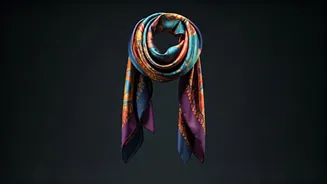
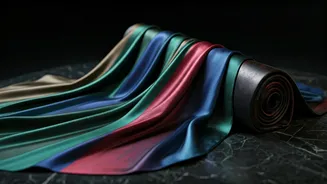
silk scarf served as a dramatic backdrop, hinting at its elevated status. Designers are now integrating these vibrant squares into collections not just as neckwear, but as integral design elements. We've seen them adorning tailored coats, acting as chic neckties over blazers, and even fashioned into complete garments like linings, skirts, and tops. This widespread adoption signals a significant shift, moving the scarf from a mere accessory to a foundational piece in contemporary fashion narratives across major style capitals. This season, the scarf is not just an accent; it's a statement in itself, pushing boundaries and redefining its place in our wardrobes with creative flair and unexpected applications. The versatility and expressive potential of the silk scarf are being fully explored by a new generation of designers seeking to inject fresh life into classic elements.
Modern Styling Techniques
The contemporary approach to silk scarves offers a playful departure from conventional styling. Influencers and celebrities alike have embraced the trend, tying them as makeshift sarongs over shorts and pants, showcasing their adaptability. Fashion runways further amplified this creativity, presenting scarves in daring configurations. One collection featured a long-sleeved polo shirt paired with a skirt ingeniously crafted from a bird-printed silk scarf. Even esteemed houses known for their refined aesthetics are experimenting, with one creative director incorporating signature silk squares into edgier, leather harness designs. This multifaceted styling demonstrates how a familiar item can be imbued with entirely new meaning and visual impact, appealing to those who appreciate both tradition and innovation in their fashion choices. The ease with which these scarves can be transformed into unique apparel highlights their enduring appeal and capacity for personal expression.
Beyond the Necktie
The perception of the silk scarf is rapidly evolving, moving beyond its traditional, more conservative associations. For many, it was once an accessory linked to a polished, perhaps even demure, style – think of elegant matriarchs or preppy students. However, current fashion trends are encouraging a bolder, more experimental embrace of the foulard. Designers are presenting them as sophisticated pareos for transitioning from professional settings to social events, or incorporating them into structured headbands with playful, kooky designs. We're also seeing them reimagined as 1980s-inspired blouses or romantic, petal-skirted dresses. Even classic silhouettes are being revisited, with some collections featuring head-to-toe scarf looks inspired by bygone eras. This redefinition allows individuals to explore their personal style through a familiar yet adaptable medium, proving that the scarf's potential extends far beyond its original intended use, offering a rich ground for creative interpretation and self-expression in fashion.
Historical Roots and Evolution
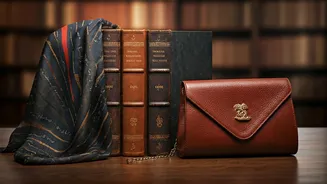
The rich history of the silk scarf provides crucial context for its current resurgence. Originating in ancient China, embroidered silk squares initially served practical purposes, such as denoting military rank. The textile’s journey along the Silk Road eventually brought it to Europe, where it gained royal favor. However, it was a specific fashion house that truly popularized the modern printed silk scarf, launching it in 1937 as a more accessible offering alongside their luxury leather goods. This initiative proved immensely successful, with iconic figures like Jackie Kennedy and Grace Kelly showcasing the scarf's timeless appeal. A later campaign featuring young Parisians styling the scarves with jeans was controversial within the brand but ultimately helped to modernize its image, cementing the silk scarf’s status as a chic, contemporary accessory. This heritage lends a sense of authenticity and timelessness to the current trend, resonating with a desire for meaningful and enduring fashion choices.
Nostalgia and Individuality
The current popularity of the silk scarf is deeply intertwined with a prevailing sense of nostalgia and a quest for individuality in fashion. As designers revisit classic silhouettes and accessories, the scarf emerges as a symbol of heritage and tradition, appealing to a desire for authenticity. In an era where vintage shopping is a significant trend, many silk scarves, particularly those from established luxury brands, are passed down through generations, imbuing them with personal history and emotional significance. This narrative aspect, combined with the inherent storytelling of a unique scarf, makes it a powerful tool for self-expression. This trend is evident in the luxury resale market, where sales and average selling prices for these coveted items have seen substantial increases, underscoring their enduring value and desirability. The scarf offers a tangible connection to the past while remaining a versatile medium for creating a distinct personal style.
The Future of Foulard
The silk scarf's current fashion moment signals a fascinating evolution, allowing for creative interpretations that blend past aesthetics with futuristic vision. It's no longer confined to its traditional roles; instead, it's being transformed into unique garments and styling pieces that challenge conventional norms. For instance, a unique T-shirt design incorporates a scarf threaded through its structure, creating an unexpected and whimsical look. This approach embraces a 'Frankenstein' fashion ethos, where disparate elements are harmoniously combined to form something entirely new and captivating. It demonstrates that the silk scarf can be a dynamic component in contemporary wardrobes, moving beyond generational associations to become a versatile accessory for personal reinvention. Its potential for endless tying, twisting, and adaptation ensures its continued relevance and exciting future in fashion.