







Toiletries Simplified
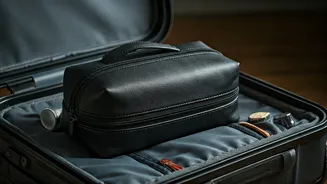
A common pitfall at airport security involves full-sized toiletries. Even though the 3.4-ounce liquid rule has been in effect for over two decades, many
travelers still attempt to bring larger bottles of shampoo, conditioner, and skincare products. A former TSA agent highlights the sheer volume of these items that are discarded daily, enough to stock a small store. The most effective solution is to utilize reusable travel-sized containers. Travelers can easily decant their favorite products into these smaller bottles, ensuring compliance with liquid restrictions. Many brands now offer convenient travel-sized versions of their popular items, making this an accessible option for everyone. This simple adjustment can save both time and personal belongings at the security checkpoint.
Hydration Station
Surprisingly, water bottles emerge as the absolute top confiscated item. This often occurs when passengers, particularly those with connecting flights, try to bring an empty or partially filled reusable water bottle through security. The TSA mandates that all liquids must be emptied before passing through the checkpoint. A smart workaround is to carry a clear, empty water bottle. This allows security personnel to quickly verify that the bottle is empty, preventing any delays. Once through security, travelers can easily refill their bottles at designated stations, ensuring they stay hydrated throughout their journey without the risk of confiscation. The transparency of the bottle also aids in a faster screening process.
Corkscrew Caution
A surprising number of corkscrews, especially those with integrated blades, are confiscated by TSA agents. Many travelers are unaware that the concealed blade is the prohibited element. While TSA does permit bladeless corkscrews, the presence of any sharp component often leads to its removal. To avoid this, opt for a compact, bladeless wine opener. These designs effectively uncork bottles without posing a security risk. While electric corkscrews exist, they can be bulky; a slim, traditional-style bladeless opener is an ideal, travel-friendly alternative that easily fits into carry-on luggage without drawing suspicion.
Cooling Essentials
Ice packs are permitted in carry-on luggage, but only if they remain completely frozen. The critical mistake many travelers make is using gel ice packs that have begun to melt by the time they reach the security checkpoint. Once an ice pack is even slightly thawed, TSA agents are obligated to confiscate it. While exceptions might be made for ice packs containing essential medication or breast milk, it's a risky gamble. The best practice is to ensure your gel ice packs are thoroughly frozen before heading to the airport. Using reusable, robust gel packs will significantly increase the chances of them staying solid throughout the security screening process and your journey.
Weaponry Awareness
It's shocking how often knives, firearms, and other weapons are discovered in carry-on bags, despite being strictly prohibited. Some passengers may genuinely forget these items are not allowed, while others attempt to conceal them. It's crucial to remember that any form of weapon is forbidden at TSA checkpoints. For those needing to transport certain permitted items that might resemble weapons, like specific tools or collectible knives, the correct procedure is to pack them in a locked hardside case. This case should then be declared to your airline at the check-in counter for secure placement in checked baggage, ensuring compliance and safety.
Creamy Snack Rules
Creamy foods, such as yogurts, dips, and spreads, fall under the TSA's strict 3-1-1 liquid rule. This means that any creamy substance exceeding 3.4 ounces is subject to confiscation. To avoid parting with your favorite snacks, plan ahead by packing them in approved, reusable containers that adhere to the size limit. It's also advisable to place these containers separately from other carry-on items during screening. This allows X-ray machines to get a clearer image, expediting the process and preventing potential delays caused by cluttered bag contents.
Perfume Portability
Fragrances are a frequently confiscated item, particularly among younger travelers who may not be fully aware of or choose to ignore the 3.4-ounce liquid limit. Large perfume bottles are a common culprit. A savvy alternative for travelers who wish to refresh their scent during a journey is to opt for solid fragrances. These compact, solid perfumes are not subject to liquid restrictions and can be easily carried in a purse or pocket. This travel-friendly option ensures you can maintain your signature scent throughout long travel days without any risk of it being taken by security.
Nail Care Nuances
While most travelers are mindful of larger sharp objects, small items like nail scissors are often overlooked and can cause issues at security. Although TSA regulations state that nail scissors less than four inches from the pivot point might be allowed, the final decision rests with the individual TSA agent. To guarantee a smooth passage, it is far safer to pack a nail file instead. Nail files, regardless of material or size, are generally permitted and will easily pass through the X-ray machine, ensuring your nails can be kept tidy without any security complications.
Energy Drink Alternatives
Staying energized during flights is important, and many passengers plan by purchasing energy drinks at the airport. However, they often discover these beverages cannot be brought through security checkpoints. To avoid this common oversight, a more practical approach is to pack single-serve energy powder packets. These lightweight packets take up minimal space in your luggage and provide the same benefits as canned energy drinks. By carrying these powder forms, travelers can easily mix them with water once past security, ensuring they have their energy boost without any airport hassle.