







Kitchens Seek Alternatives
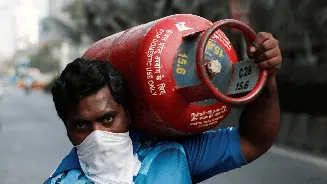
The hospitality sector is experiencing a significant disruption due to a commercial LPG shortage, reportedly exacerbated by global supply chain issues
and geopolitical conflicts. This scarcity is compelling numerous restaurants and hotels, particularly in major urban centers like Chennai, to re-evaluate their operational strategies. Many establishments are proactively reducing their reliance on LPG by integrating alternative cooking technologies. For instance, hotels are transitioning to induction cooktops and even traditional firewood-based stoves to maintain operations and avoid service interruptions. This strategic shift is crucial for survival, as the inability to secure sufficient cooking gas directly impacts the ability to prepare and serve meals, potentially leading to significant business losses and customer dissatisfaction if not addressed promptly and effectively.
Menu & Hours Trimmed
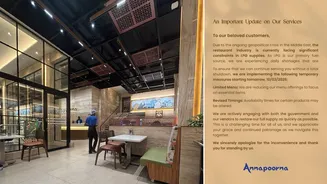
In response to the ongoing LPG scarcity, many food businesses are implementing significant operational adjustments. This includes a careful streamlining of their culinary offerings, with certain menu items being temporarily removed or reduced to conserve limited gas resources. For example, some establishments have paused the service of specific dishes that are particularly gas-intensive to prepare. Furthermore, operating hours are being curtailed in certain sections of restaurants to manage energy consumption more effectively. This proactive approach aims to maintain service continuity and mitigate the impact of the supply disruption. By optimizing their electric kitchens for bulk cooking and focusing on core, less gas-dependent items, businesses are striving to navigate this challenging period and keep their operations afloat.
Metro Areas Hit Hardest
The commercial LPG shortage is disproportionately affecting major metropolitan areas across India, where the hospitality industry's demand for daily gas deliveries is at its peak. In Delhi and Kolkata, commercial cylinder sales have reportedly plummeted, with some supply agencies experiencing zero sales in recent days as supplies are rerouted to domestic users. Mumbai is witnessing a more immediate impact, with an estimated 20% of hotels and restaurants already facing temporary closures, and industry associations warning that this figure could climb to 50% within the next 48 hours. Bengaluru is also experiencing a critical situation, with distributors halting commercial cylinder deliveries, forcing establishments to cut back on menu variety or reduce their operating hours to cope with the fuel deficit and uncertain supply chain.
Caterers Face Pressure
The catering segment of the food industry is grappling with immense pressure as they attempt to balance rising operational costs with the pervasive uncertainty surrounding LPG availability. Caterers, whose business model often relies on serving food at events like weddings, require substantial quantities of gas – sometimes seven to eight cylinders per order. The current price hike coupled with supply inconsistencies presents a severe challenge, impacting their ability to deliver services reliably. Since catering contracts are typically secured well in advance, adjusting prices mid-event to account for the increased gas costs is often not feasible, placing a significant financial strain on these businesses and threatening their profitability and reputation.
PGs Suspend Staples
The impact of the LPG crunch has extended to student and working professional accommodation, with Paying Guest (PG) facilities in Tamil Nadu announcing the temporary suspension of several staple food items. The Tamilnadu IT Hostel & PG Owners Welfare Association has communicated to its members that services like coffee, tea, dosai, chapathi, sambar, and kurma will not be available until the gas supply situation stabilizes. This decision reflects the broader challenges faced by kitchens that rely heavily on LPG for everyday meal preparation. The association is actively exploring alternative methods to reduce gas consumption, indicating a widespread effort across various segments of the food service industry to find sustainable solutions amidst the ongoing crisis.