


A Culinary Landscape
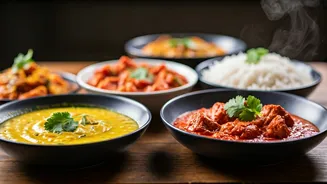
India's culinary landscape is as diverse as its geography, with distinct regional cuisines shaped by climate, local produce, and cultural influences. Northern
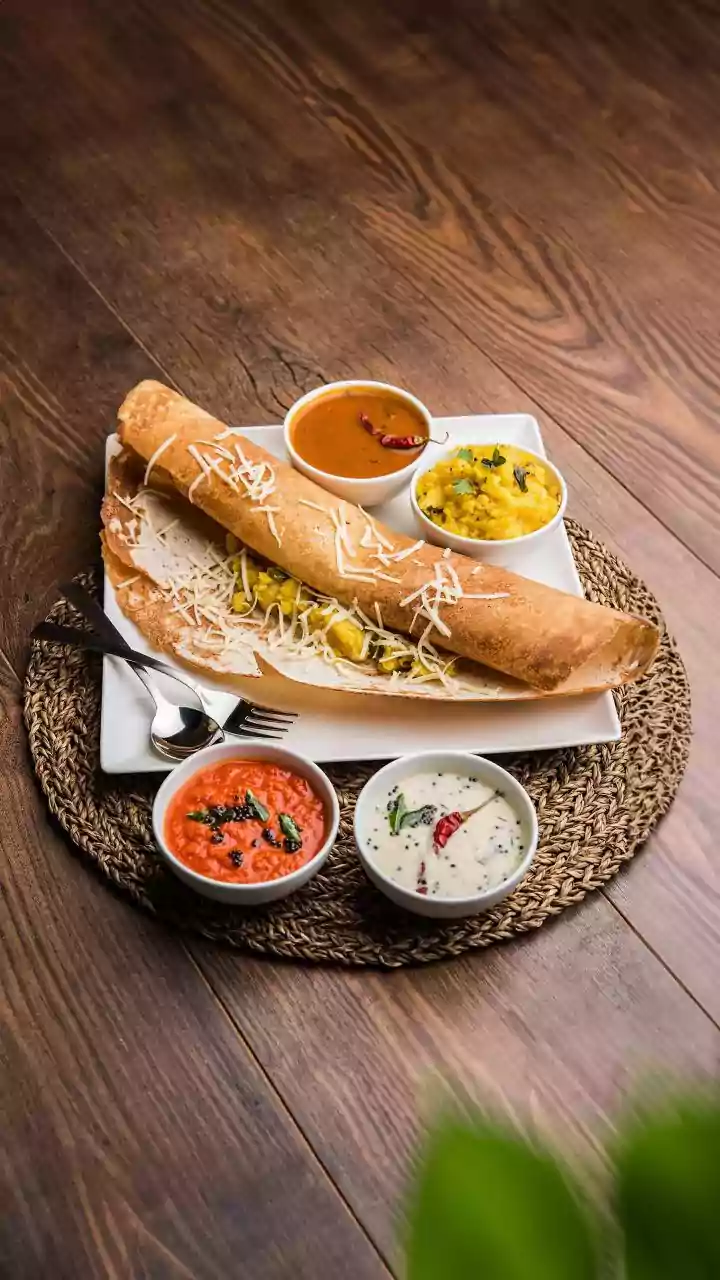
India, known for its rich gravies and tandoor-cooked dishes, contrasts sharply with the southern region, where coconut milk, rice, and seafood dominate. Western India features a blend of Gujarati and Maharashtrian flavors, known for their sweet and spicy combinations, while the East offers Bengali sweets, rice-based preparations and influence of the sea foods. This variety extends beyond taste; it's a reflection of India's multi-faceted history and cultural traditions. Ingredients like lentils, rice, wheat and the spices which grow in different regions forms the base of the cuisine. The common thread is the use of aromatic spices that add complexity and depth to each dish. The concept of dining is also different based on the culture where people eat on banana leaves, thalis and many other mediums.
Spice: The Heartbeat
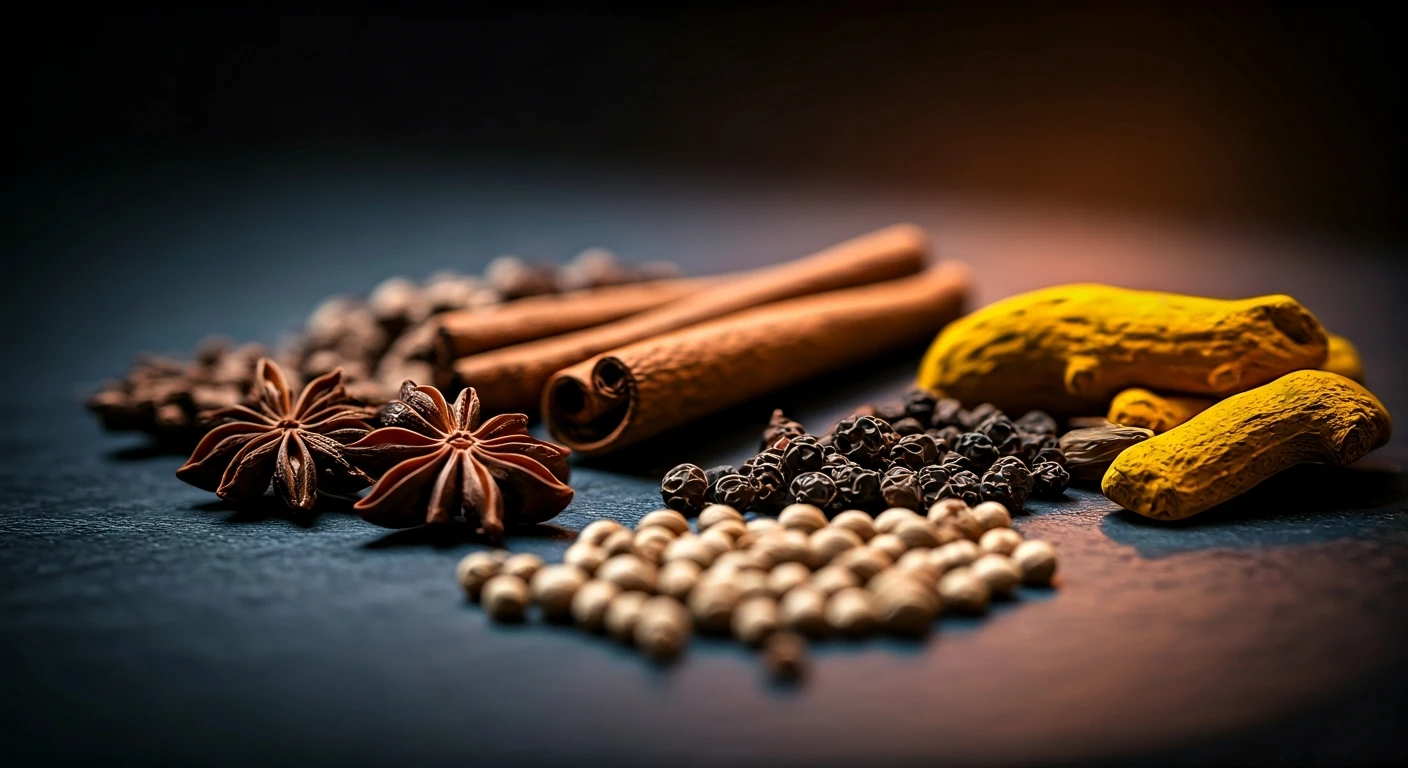
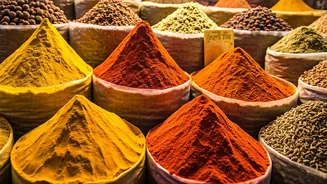
Spices are the soul of Indian cooking, transforming simple ingredients into extraordinary dishes. Turmeric, coriander, cumin, and cardamom are some of the most commonly used spices, each contributing a unique flavor profile. Masala, a blend of various spices, is the foundation of many curries, offering a complex mix of aromas and tastes. The art of spice usage lies in understanding their individual characteristics and how they interact. Some spices are added at the beginning of cooking to release their flavors slowly, while others are added towards the end to maintain their fragrance. This skillful use of spices is what gives Indian cuisine its distinctive character. The type of spice used depends on the region where people live, such as the famous Kashmiri chilli, which is used for the color and flavors it imparts on the dishes.
Vegetarian Delights Abound
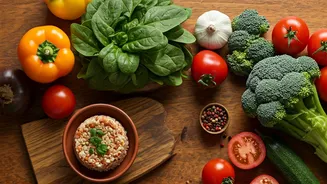
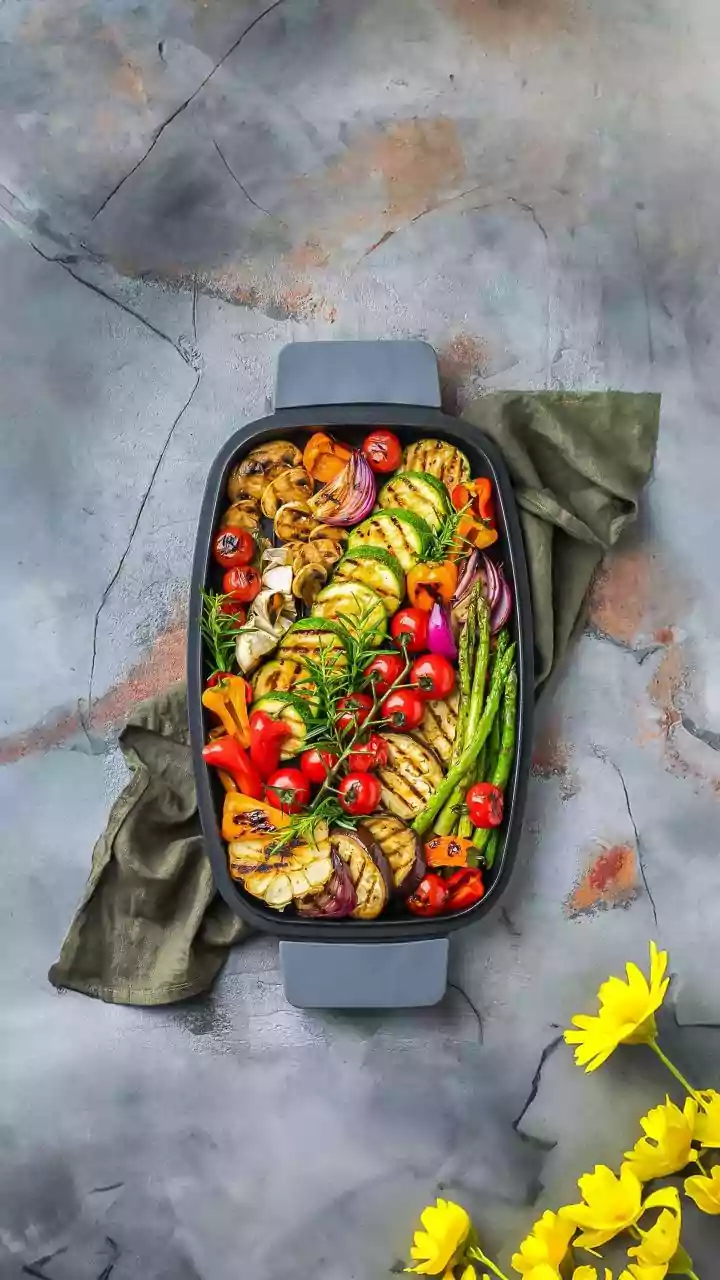
Vegetarianism is a significant part of Indian culture, resulting in a wide array of vegetarian dishes. From the creamy paneer (Indian cheese) dishes to the hearty lentil-based dal, vegetarian options are diverse and satisfying. Vegetable curries, such as aloo gobi (potato and cauliflower) and palak paneer (spinach and cheese), are staples in many Indian households. The use of legumes, such as chickpeas, kidney beans, and various types of lentils, is prevalent, providing essential protein. These vegetarian offerings highlight the Indian culinary philosophy of balancing flavors, textures, and nutritional needs. Traditional Indian thalis showcase a selection of vegetarian dishes, accompanied by rice and bread, offering a balanced and flavorful meal.
Meat Dishes: Rich Flavors
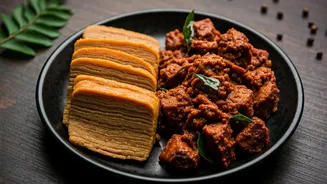
Non-vegetarian dishes hold a significant place in many regional cuisines, with a variety of meat and seafood preparations. Chicken tikka masala, a global favorite, is an example of the culinary creativity of India. Biryanis, which combine meat and rice, are celebratory dishes often served during special occasions. Seafood is prominent in coastal regions, where fish and prawn curries are prepared with fresh, local ingredients. Each meat dish is often cooked in a specific style with unique spice blends, and the taste varies with each region. Whether it is a slow-cooked lamb curry or a spicy seafood stew, non-vegetarian Indian food offers a rich tapestry of flavors.
Cooking Techniques Unveiled
Indian cooking employs various techniques, each contributing unique flavors and textures. Tandoor cooking, in which food is cooked in a clay oven, is a hallmark of northern Indian cuisine. The use of a tandoor gives the food a smoky flavor. Slow cooking, which tenderizes meats and infuses them with spices, is a common practice in curries and stews. Frying, both shallow and deep, is used to prepare snacks and appetizers like samosas and pakoras. These cooking methods, passed down through generations, preserve traditional flavors while adapting to modern culinary trends. The combination of cooking styles creates a symphony of textures and tastes, making Indian food an unparalleled culinary experience.
Bread: A Culinary Companion
Bread is an integral part of Indian meals, serving as a versatile accompaniment to curries and other dishes. Naan, a soft, leavened bread, is a staple, especially in northern regions. Roti, an unleavened bread, is commonly made from whole wheat flour and is eaten throughout the country. Paratha, layered flatbread often stuffed with vegetables or cheese, is a popular choice for breakfast and lunch. Each type of bread adds a different dimension to the meal, from the fluffy texture of naan to the chewy consistency of roti. These breads are often used to scoop up curries or eaten alongside various accompaniments, enhancing the overall dining experience.
Sweets: A Sweet Ending
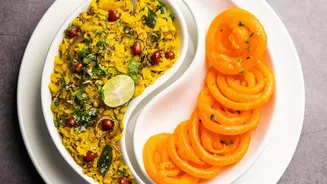
Indian cuisine concludes with a variety of desserts, each reflecting regional preferences and seasonal ingredients. Gulab jamun, a deep-fried milk-based ball soaked in sweet syrup, is a popular choice across the country. Rasgulla, a spongy cheese-based ball soaked in syrup, is especially popular in the East. Barfi, made from milk solids and sugar, comes in various flavors. These desserts use rich ingredients such as milk, ghee, and sugar, and are often flavored with cardamom, saffron, and nuts. Sweets are an important part of celebrations and festivals, symbolizing joy, prosperity and the culmination of a delicious meal. The diverse range of Indian sweets showcases the ingenuity of Indian culinary traditions.