


Sunscreen: Your First Defence
During the intense heatwave gripping the nation's capital, safeguarding your skin from the sun's harsh ultraviolet (UV) radiation is paramount. Dermatologists
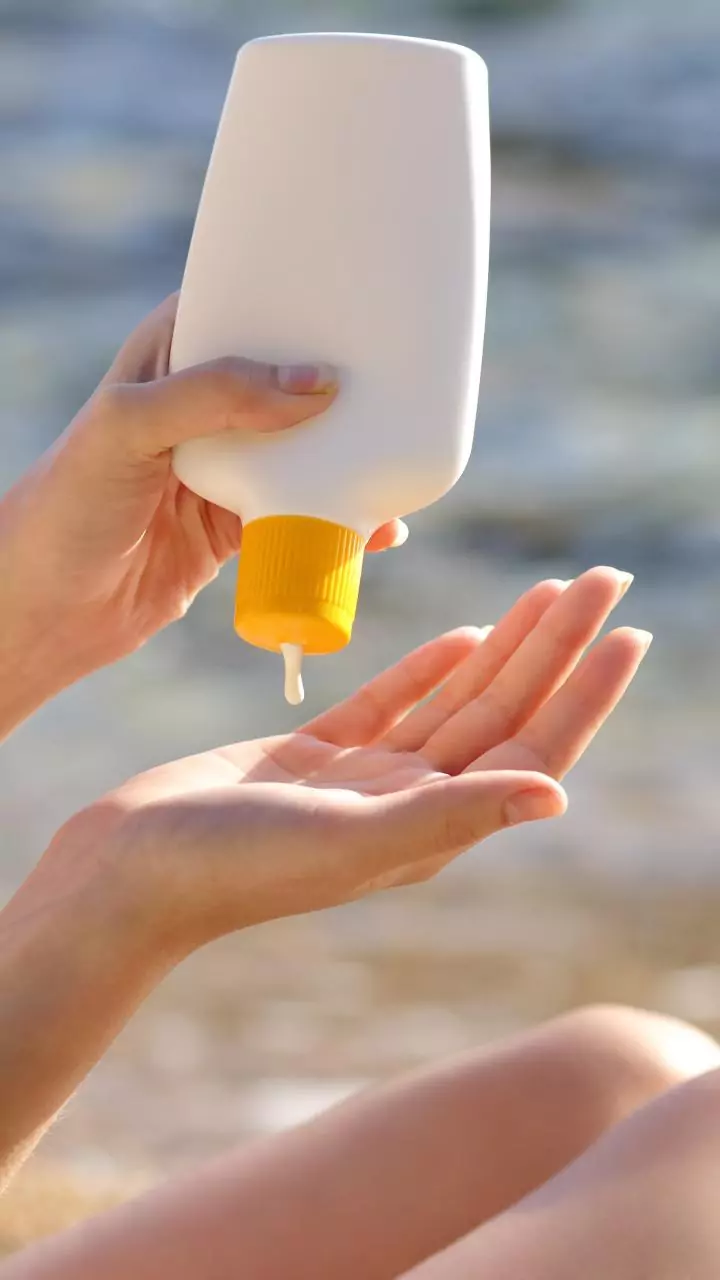
stress that sunscreen acts as your primary shield, effectively preventing immediate issues like tanning and sunburn, while also combating long-term concerns such as premature aging and an increased risk of skin cancer. Experts consistently recommend choosing a broad-spectrum sunscreen that offers robust protection against both UVA and UVB rays. For optimal defense, an SPF of 30 or higher is considered the minimum, with SPF 50 or greater being ideal for extended periods outdoors. Crucially, the application must be generous and reapplied every two hours to maintain its efficacy, especially if you are engaging in activities that cause sweating or involve water. Don't overlook any exposed skin; ensure your face, neck, ears, arms, and legs receive adequate coverage to prevent uneven tanning and sun damage.
Hydration & Cooling Strategies
Maintaining optimal skin hydration is a critical component of skincare, particularly when facing extreme heat and humidity. Dehydration can significantly diminish your skin's natural luminosity, making it appear dull and dry, and exacerbating the adverse effects of sun exposure. To combat this, dermatologists advise a consistent intake of fluids, aiming for at least 8 to 10 glasses of water daily. Supplementing your water intake with fruits and vegetables boasting high water content, such as watermelon, cucumber, and oranges, can also contribute to internal hydration. To cool down your body and soothe your skin, opting for cool showers or baths can be highly beneficial. Furthermore, utilizing hydrating facial mists throughout the day offers a refreshing way to moisturize and revitalize your skin, helping it feel more comfortable and look more vibrant amidst the heat.
Protective Clothing & Accessories
Beyond topical applications like sunscreen, implementing physical barriers offers an equally vital layer of defense against the sun's damaging rays. Dermatologists strongly advocate for wearing lightweight, long-sleeved shirts and trousers crafted from breathable fabrics like cotton or linen, which allow for better air circulation and comfort. The choice of headwear is also significant; a wide-brimmed hat is highly recommended to provide ample shade for your face and neck, areas often susceptible to sun exposure. Complementing this, wearing UV-protective sunglasses is essential not only for shielding your eyes but also for protecting the delicate skin surrounding them, which is prone to premature aging. Finally, a simple yet effective strategy is to consciously seek shade whenever possible, especially during the peak sun hours between 10 AM and 4 PM, when solar radiation is at its most intense.
Post-Sun Exposure Care
Even with the most diligent preventative measures, some degree of sun exposure is often unavoidable. Therefore, having a strategic approach to post-sun skincare is essential for recovery and mitigating potential damage. Applying pure aloe vera gel is a time-honored method for soothing skin that has become sunburned or generally irritated from the sun's heat. Following this, using a gentle, highly moisturizing cream is crucial to replenish any lost moisture and restore the skin's natural barrier. It's equally important to avoid harsh skincare products, such as strong soaps or abrasive exfoliants, during this recovery phase, as these can further irritate already sensitive skin and impede the healing process. Prioritizing calming and hydrating treatments will help your skin recover more effectively.
Addressing Pigmentation & Tan
While the primary focus during intense heatwaves is on prevention, dermatologists also offer effective strategies for managing existing concerns like tanning and pigmentation. For mild to moderate issues, incorporating topical treatments into your routine can be beneficial. Ingredients such as Vitamin C serums are known for their antioxidant properties and ability to brighten the skin, while retinoids can aid in cell turnover and reduce the appearance of dark spots. For more persistent or severe pigmentation, hydroquinone (always under strict medical supervision) can be a powerful lightening agent. When at-home treatments aren't sufficient, professional procedures like chemical peels and laser therapy can be highly effective in targeting stubborn dark spots and achieving a more even skin tone. Consulting a dermatologist is key for personalized advice and treatment plans.