



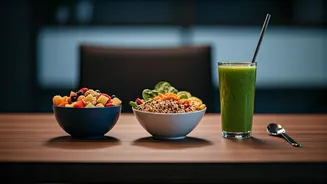


Nutrition: Fueling Your Body
The cornerstone of fat loss lies in your nutritional choices. Prioritize a diet rich in whole foods, emphasizing lean proteins like chicken, fish, and
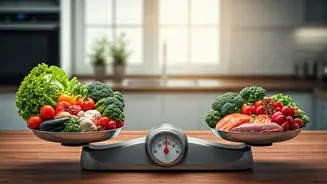
legumes. These foods are crucial for muscle repair and satiety. Include a colorful array of non-starchy vegetables, such as spinach, broccoli, and bell peppers, in your meals. These provide essential nutrients with minimal calories. Limit processed foods, sugary drinks, and excessive saturated fats, as they hinder fat loss. Consider tracking your calorie intake to maintain a deficit. The coach emphasizes understanding macronutrients. A balanced approach with adequate protein, moderate healthy fats, and controlled carbohydrates is essential for success. Stay hydrated by drinking ample water throughout the day to support metabolic processes and reduce cravings.
Structured Workouts: Move Smarter
Effective workouts are critical for burning calories and building muscle. Incorporate a mix of cardio and strength training. Cardio exercises like running, swimming, or cycling, should be performed for at least 150 minutes per week. Strength training with weights or bodyweight exercises helps build muscle mass, which boosts metabolism and aids in fat loss. The coach recommends focusing on compound exercises such as squats, deadlifts, and bench presses, as these work multiple muscle groups simultaneously. Ensure your workout routine is challenging and progressively overload your muscles by increasing weight, reps, or sets over time. Incorporate high-intensity interval training (HIIT) for short bursts of intense exercise followed by brief recovery periods to maximize fat burning and improve cardiovascular health.
Lifestyle Habits: Supporting Success
Your lifestyle choices significantly impact your fat loss efforts. Prioritize sleep, aiming for 7-9 hours of quality sleep per night. Sleep deprivation can disrupt hormones that regulate appetite, leading to increased cravings and slower metabolism. Manage stress through relaxation techniques like meditation or yoga, because high stress levels can increase cortisol, which promotes fat storage. Stay active throughout the day. Avoid prolonged periods of sitting by taking breaks to walk around or do light exercises. Plan your meals and snacks ahead of time to avoid impulsive unhealthy choices. The coach also highlights the importance of consistency. Stick to your plan as much as possible, as occasional setbacks are normal. Stay positive and focus on the progress you're making, and do not get discouraged by the challenges along the way.
Consistent Habits: Staying Committed
Building consistent habits is key to achieving sustainable fat loss. Create a realistic plan that fits your lifestyle, ensuring it is something you can stick to long-term. Prepare your meals and snacks in advance to avoid making unhealthy choices when you're short on time. Track your progress regularly. Monitoring your weight, body measurements, and how you feel can help you stay motivated and make adjustments as needed. Celebrate your successes. Acknowledge and reward yourself for achieving milestones, such as completing a week of workouts or reaching a weight loss goal. Stay accountable by finding a workout buddy or sharing your goals with friends and family. This support can help you stay motivated and make the journey more enjoyable. Remember to be patient. Fat loss takes time, so focus on the process rather than just the end result.
Mindful Eating: Eating Awareness
Mindful eating is a practice that can greatly enhance your fat loss efforts. Pay attention to your body's hunger and fullness cues. Eat when you are truly hungry and stop when you are satisfied, not stuffed. Avoid distractions while eating, such as watching TV or using your phone. This allows you to focus on the taste, texture, and smell of your food, which helps you eat more slowly and savor each bite. Practice portion control. Use smaller plates to help you control how much you eat. Slow down your eating pace. Chew your food thoroughly, and take breaks between bites. This gives your body time to register that you're full, which can help you avoid overeating. Stay away from emotional eating. Identify triggers that lead to emotional eating and develop alternative coping mechanisms.
Supplementation: Supportive Aids
While a balanced diet and regular exercise are the primary drivers of fat loss, certain supplements can provide additional support. Consider consulting with a healthcare professional before taking any supplements. Protein supplements, such as whey protein, can help you meet your daily protein needs, aiding in muscle repair and growth. Creatine monohydrate can enhance strength and muscle mass. Caffeine can boost energy levels and support fat burning. Fiber supplements like psyllium husk can promote satiety and aid in digestion. Green tea extract contains antioxidants and may support fat oxidation. Always remember that supplements are meant to complement a healthy lifestyle, not replace it. Prioritize your diet and exercise routine first, and consider supplements as an additional support.
Hydration: Drink Plenty Water
Staying adequately hydrated is fundamental to fat loss and overall health. Drink sufficient water throughout the day. Aim to drink at least eight glasses of water daily, and increase your intake if you are exercising or in a hot climate. Water can help you feel full, which can reduce your calorie intake. Water supports your metabolism, helping your body burn calories effectively. It also aids in digestion and helps remove waste products. Carry a water bottle with you and refill it regularly to make hydration a constant habit. Drink water before, during, and after workouts to stay energized and aid muscle function. Consume water-rich foods, such as fruits and vegetables, to help boost your overall fluid intake. Reduce your consumption of sugary drinks, such as sodas and juices, as they can add unnecessary calories and hinder your weight loss progress.
Tracking: Monitoring Progress
Monitoring your progress is essential to staying motivated and making the necessary adjustments to your fat loss plan. Keep a food journal. Write down everything you eat and drink to help you understand your eating habits and identify areas for improvement. Track your workouts. Record the type of exercise, duration, intensity, and any changes in weight or reps. Weigh yourself regularly, but don't obsess over the number on the scale. Weight can fluctuate day to day, so consider taking measurements of your waist, hips, and other areas to monitor changes in body composition. Take photos of yourself periodically to track your progress visually. Use fitness apps and wearable devices to track your activity levels, heart rate, and sleep patterns. Review your progress regularly and make adjustments to your plan as needed. If you're not seeing the results you want, reassess your diet, exercise routine, and lifestyle habits.