






Hidden Dangers in Plain Sight
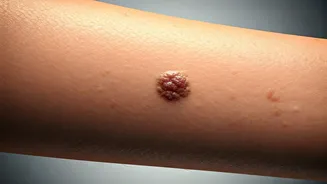
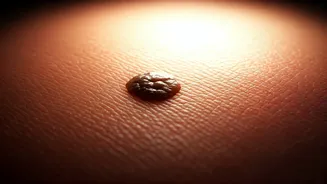
Many individuals tend to downplay skin anomalies, assuming they are benign until a noticeable change occurs. However, this perception can be dangerous,
as even small blemishes can signal serious underlying conditions, particularly skin cancer. This prevalent form of cancer often develops in sun-exposed areas like the face, neck, and limbs. The key types include basal cell carcinoma, squamous cell carcinoma, and melanoma, with melanoma being the most aggressive and having the potential to metastasize. The encouraging news is that prompt identification significantly enhances treatment outcomes. Vigilance through regular self-examinations and immediate consultation for any new or evolving skin lesions are paramount for early diagnosis and successful management. A dermatologist can accurately assess any suspicious spot and guide the most effective treatment plan, underscoring that timely action is crucial for a positive prognosis.
Subtle Signs of Skin Cancer
Despite increased awareness around preventative health, a common misconception persists: that skin issues are minor. In reality, even inconspicuous skin alterations can be early warnings of skin cancer, and delayed diagnosis can substantially complicate treatment. Dr. Aravind Badiger emphasizes that skin cancer remains largely undiagnosed globally, with many unaware of its early indicators, often mistakenly believing it only presents as severe sores. The initial signs are frequently painless and minute, easily overlooked or dismissed. Key warning signs to monitor include any spot larger than a pencil eraser, irregular or jagged borders, a mix of colors like brown, black, red, or white within a single lesion, and any noticeable increase in size. Furthermore, persistent itching, bleeding, or crusting on the skin should never be ignored as these could also be indicative of a problem requiring medical attention.
Beyond the Sun's Rays
While ultraviolet (UV) radiation from the sun is widely recognized as a primary catalyst for skin cancer, it's important to acknowledge that other contributing factors play a significant role. Dr. Badiger highlights that lifestyle choices, a compromised immune system, genetic predisposition within a family, and environmental exposures can all elevate an individual's risk. Interestingly, people with melanin-rich skin, often perceived as being less susceptible, are not entirely protected. They may experience delayed diagnoses due to lower clinical suspicion from healthcare providers and a general lack of awareness regarding their specific risk profiles. This underscores the need for comprehensive understanding and proactive screening for all individuals, regardless of their skin tone.
Proactive Skin Protection Strategies
Implementing specific preventive measures can significantly reduce the long-term risk associated with skin cancer. Opting for clothing that provides ample protection from harsh heat, such as breathable cotton or muslin fabrics, is a practical step. Critically, limiting prolonged sun exposure, particularly during peak hours between 11 am and 4 pm, is essential. Sunscreen should be used diligently, even on days when one is primarily indoors, as UV rays can penetrate windows. Finally, making dermatological consultations a regular part of one's healthcare routine is vital for ongoing monitoring and early intervention. Prioritizing these preventative actions, coupled with diligent self-monitoring of skin changes, empowers individuals to proactively safeguard their health and mitigate the risks of skin cancer.