







Evolving Self-Care Landscape
The concept of self-care has undergone a significant transformation, evolving from leisurely bubble baths and spa days to a much broader spectrum of activities
aimed at enhancing both mental and physical well-being. For Generation Z, this evolution is particularly noticeable in their integration of pop culture elements, social media trends, and a strong desire for genuine experiences into their self-care routines. They are actively crafting a personal definition of self-care that resonates with their lived realities and values, moving away from conventional, often externally prescribed, methods towards more personalized and joyful practices that contribute to their overall sense of fulfillment and happiness.
Matcha: A Ritual of Calm
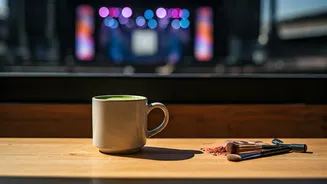
The 'matcha self-care' trend signifies more than just the consumption of a beverage; it encompasses the entire ritual and aesthetic associated with this vibrant green powder. Gen Z finds solace and a sense of peace through matcha lattes, desserts, and even skincare products. The deliberate process of preparing and savoring matcha can serve as a meditative practice, encouraging individuals to pause, slow down, and appreciate the present moment. This mindful engagement with matcha offers a tangible way to disconnect from the constant demands of daily life and cultivate a moment of tranquility, fostering a deeper connection with oneself and the immediate experience.
Makeup as Expression
Makeup has become a crucial element of self-care for many within Gen Z, transcending mere physical enhancement to become a powerful tool for creative expression and self-assurance. This generation often views makeup as a form of art, experimenting with bold colors, intricate designs, and unique styles to reflect their individuality. The act of applying makeup can be inherently therapeutic, providing a focused activity that allows for self-contemplation and the construction of a desired personal identity. Moreover, sharing makeup looks and tutorials on platforms like TikTok and Instagram cultivates a sense of community and shared enthusiasm, reinforcing the social and personal benefits of this practice.
Concerts: Shared Energy
Live music events and concerts represent a significant facet of Gen Z's self-care regimen, offering an immersive and energizing experience. The collective energy of a live performance, shared with fellow fans, and the opportunity to deeply connect with music can be incredibly uplifting and rejuvenating. Attending concerts provides a vital escape from daily pressures, a chance to engage with admired artists, and an avenue for creating cherished memories. The entire journey, from the anticipation and planning to the actual event, contributes to an overall sense of well-being and excitement, making it a valuable component of their self-care strategy.
Personalized Paths to Joy
Beyond specific trends like matcha, makeup, or concerts, Gen Z's approach to self-care is defined by its flexibility and personalization. They are unafraid to redefine what self-care means to them, actively integrating activities that genuinely bring them joy and peace. This broad definition includes everything from gaming and binge-watching preferred shows to spending time in nature and engaging in various creative hobbies. The underlying principle is to identify what works best for each individual and to consistently prioritize their mental and emotional health in a world that often presents numerous challenges and stressors.
Conscious Spending Choices
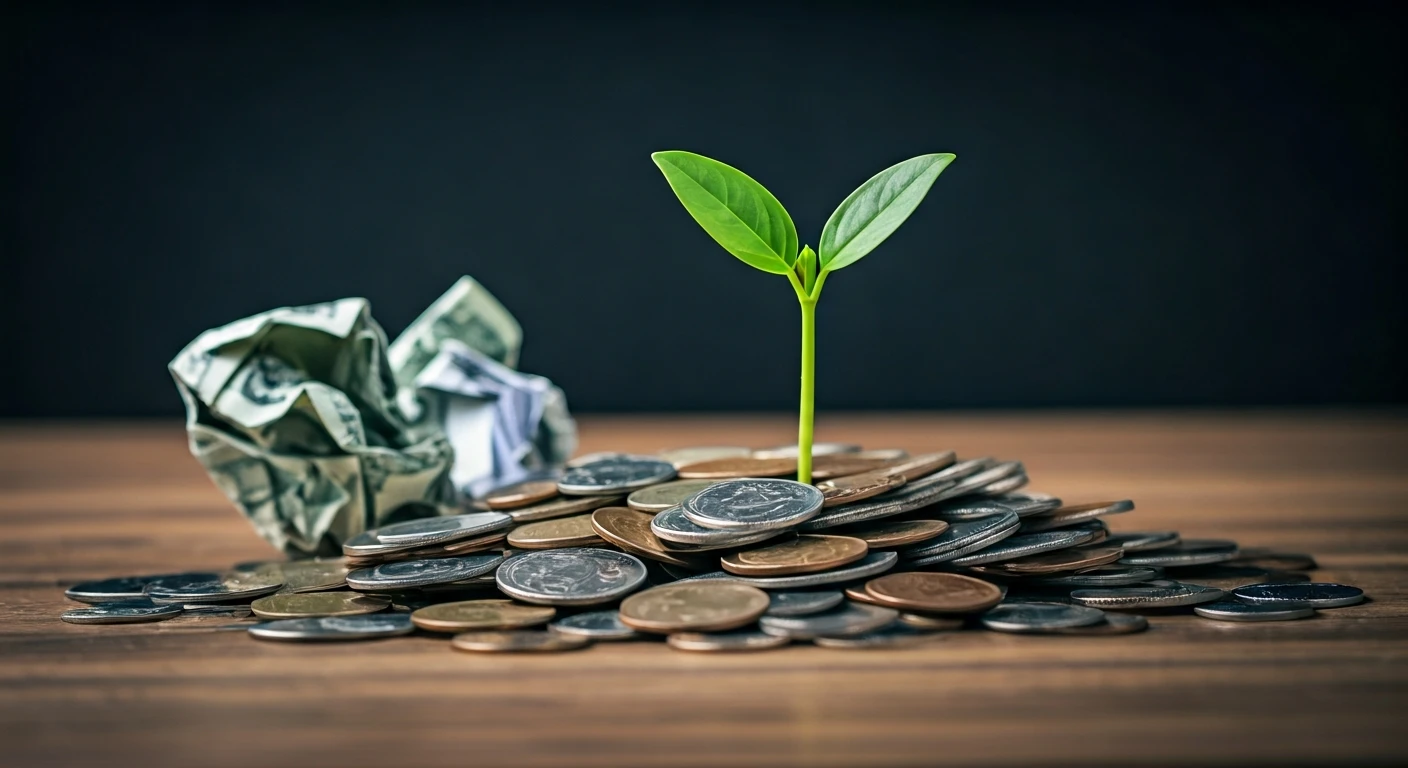
Gen Z's financial priorities are often misconstrued as reckless, but a closer examination reveals a deliberate shift towards conscious spending, focusing on immediate well-being and experiential value. Rather than solely deferring happiness for an uncertain future, this generation strategically allocates funds to activities that directly enhance their present mental and emotional state. This includes investing in self-care products, personal style, health-supportive nutraceuticals, and memorable experiences like concerts. While acknowledging the importance of saving, they balance it with the belief that 'living a little' now is an essential component of overall well-being, not an irresponsible act, recognizing that future security should not necessitate sacrificing current happiness.