








SC Orders Pollution Plan
The Supreme Court has issued a directive, commanding Delhi authorities to devise a thorough strategy to mitigate the city's pervasive pollution problem.
This directive emphasizes the gravity of the situation, underscoring the urgent need for tangible solutions. The court has set a strict four-week deadline for the submission of a comprehensive plan. The specifics of the plan are expected to cover a wide range of pollution sources, from vehicular emissions and industrial waste to construction activities and waste management practices. This includes measures such as stricter emission controls, promoting sustainable transport options, and enhancing waste disposal systems. The court's intervention underscores the severity of Delhi's pollution challenge and signals a commitment to holding the concerned authorities accountable for their actions.
Yamuna River Cleanup Initiative
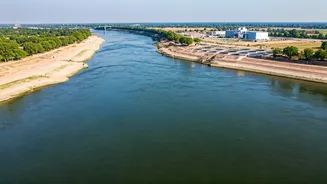
Concurrent with the Supreme Court's mandate, Delhi is actively pursuing large-scale initiatives to rehabilitate the Yamuna River, a key water source significantly impacted by pollution. The primary objective is to improve water quality and restore the river's ecological balance. A crucial aspect of this effort is the planned doubling of Delhi's sewage treatment capacity. This expansion will ensure that a larger volume of wastewater is adequately treated before being discharged into the Yamuna. Furthermore, the authorities are integrating advanced technological tools, such as drone mapping, to systematically monitor and analyze the drainage systems feeding into the river. This will enable precise identification of pollution sources and facilitate targeted cleanup efforts, with a target date for completion set for 2028. This multifaceted strategy signifies a determined and technologically sophisticated approach to mitigating pollution and improving the ecological health of the Yamuna.
Focus on Sewage Treatment
Expanding the sewage treatment infrastructure is a crucial aspect of the plan, as it addresses a significant contributor to water pollution in the Yamuna River. The strategy will involve the construction of new treatment plants and upgrading existing facilities to handle increased wastewater volumes and improve treatment efficacy. This upgrade aims to eliminate harmful contaminants and pollutants before the water is released back into the river. The enhanced capacity is essential to keep up with the city's growing population and the resulting increase in wastewater generation. Modern treatment technologies such as advanced filtration, disinfection, and nutrient removal are being considered to guarantee the best possible water quality outcomes. These upgrades are not only critical for cleaning up the Yamuna, but also for safeguarding public health and improving the city's overall environmental sustainability.
Drone Mapping Technology
Drones are being utilized to map the intricate network of drains that flow into the Yamuna, enabling authorities to gain a detailed understanding of the pollution sources. The application of drone technology offers multiple advantages, including rapid data collection, high-resolution imagery, and the capability to access difficult-to-reach areas. The data collected by the drones is then used to create detailed maps illustrating the flow of wastewater, identify illegal discharge points, and evaluate the overall health of the drainage system. This allows authorities to focus their cleanup efforts more effectively, identifying and addressing areas of highest pollution concentration. This technological approach offers a more efficient and precise means of monitoring and maintaining the health of the Yamuna River, supplementing traditional methods and contributing to the goal of a cleaner environment.
Target: Yamuna by 2028
The ambitious goal of cleaning the Yamuna River by 2028 demonstrates the government's commitment to address this urgent environmental issue. Achieving this goal will require a concerted effort from various stakeholders, including government agencies, local communities, and environmental organizations. The timeline underscores the importance of quick execution and continuous monitoring of the cleanup efforts. This timeline signifies a specific target to measure progress. The plan also includes strategies for community involvement, raising public awareness about pollution and encouraging responsible environmental behavior. Successful cleanup operations will result in a healthier river ecosystem and enhance the city's overall quality of life. The efforts represent a significant endeavor aimed at safeguarding and preserving the Yamuna River for the long term.