








The Mountain Maggi Venture
In a unique entrepreneurial endeavor, a content creator from Delhi, Devansh Tyagi, embarked on a project to test the profitability of selling the popular
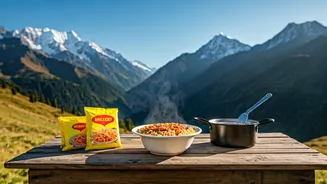
instant noodle, Maggi, in a picturesque mountain setting. Recognizing Maggi's status as a go-to comfort food for travelers in cooler climates, Tyagi decided to set up a temporary open-air food stall. He transported all necessary supplies, including numerous packets of noodles, cooking apparatus, portable furniture, and serving items, to a scenic location frequented by tourists and trekkers. The setup was designed to offer visitors a warm meal with a stunning natural vista, creating an appealing experience for his clientele. This experiment aimed to gauge the potential financial success of such a venture over a concentrated period.
Claimed Daily Earnings
Throughout the day, Tyagi personally managed the stall, preparing each order of Maggi with care and engaging with the customers who stopped by. He offered two variations: a standard Maggi at ₹100 per plate and a butter-enhanced version for ₹120. The response from passersby was reportedly strong, with a steady stream of customers eager to enjoy a hot bowl of noodles amidst the natural beauty. By the conclusion of his day-long challenge, Tyagi asserted that his temporary Maggi stall had generated a total revenue of ₹24,000. This significant claim quickly garnered widespread attention across social media platforms.
Social Media Frenzy
The video documentation of Devansh Tyagi's mountain Maggi business experiment went viral on Instagram, attracting millions of views and sparking extensive online discussion. Many social media users expressed admiration for his innovative approach, with numerous comments suggesting that this roadside venture appeared more financially rewarding than traditional corporate employment. Some users humorously declared it a 'new business idea unlocked' and considered abandoning their own career paths for a similar entrepreneurial pursuit. However, a portion of the online community raised critical points, differentiating between total sales and actual profit, emphasizing the need to account for substantial operational costs such as ingredients, logistics, fuel, and disposable serving materials. Additionally, some viewers voiced concerns regarding the hygiene standards depicted in the video, particularly highlighting the use of water sourced directly from a stream.