




Masala Chai's Global Fame
The much-loved "chai latte" found in cafes worldwide is a direct descendant of India's traditional masala chai. This aromatic beverage, meaning simply
"tea" in Hindi, is a carefully crafted blend of black tea brewed with an array of warming spices like ginger, cardamom, and cinnamon, often finished with milk. Long before it became a global café staple, masala chai was a comforting, spiced infusion enjoyed in Indian homes, celebrated for its complex flavours and warming properties. The modern adaptation, while perhaps sweeter and milkier, owes its entire essence to this age-old Indian practice of flavouring tea with a symphony of spices.
The Art of Indian Pickling
The current Western fascination with pickling a diverse range of ingredients, from tangy lemons to fiery chillies, is a practice India has perfected over millennia. The Indian tradition of 'achar' involves preserving fruits and vegetables using oil, salt, and a robust mix of spices, often sun-cured to develop intense flavours. This ancient method of preservation predates modern refrigeration by centuries, showcasing an incredible understanding of flavour development and food longevity. What is now seen as a trendy culinary technique in the West has been a fundamental part of Indian kitchens, providing delicious, preserved condiments for everyday meals.
Trail Mix Origins
The concept of a convenient and energizing snack mix, often referred to as "trail mix" or "snack mix" in Western contexts, has a long and distinguished history in India. Mixtures like 'chivda' and 'namkeen' are time-tested combinations of roasted nuts, savory fried elements, dried fruits, and a medley of aromatic spices. These Indian snack blends are not merely for on-the-go consumption; they represent a rich tradition of creating flavourful and nutritious assortments designed to provide sustained energy. The modern Western iteration of snack mixes mirrors this Indian approach to crafting a balanced and satisfying combination of textures and tastes.
Golden Milk's Ancestry
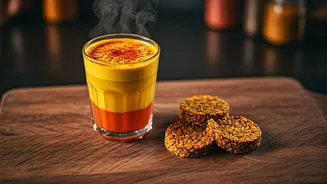
The popular "golden milk latte" and "turmeric latte" making waves in wellness circles are essentially a modern iteration of the traditional Indian beverage known as 'haldi doodh'. This comforting drink involves warming milk infused with turmeric, a golden spice celebrated for its anti-inflammatory properties. Often enhanced with a pinch of black pepper to aid absorption, haldi doodh has been a staple in Indian households for generations, consumed primarily for its health benefits and immune-boosting qualities. Its resurgence in Western health trends highlights the enduring wisdom of Indian home remedies and the potent power of simple, natural ingredients.
Whipped Coffee's Indian Twist
When "whipped coffee," famously known as Korean dalgona coffee, took the internet by storm, many were unaware of its long-standing precursor in Indian homes: "phenti hui coffee." This refers to instant coffee that is vigorously hand-whipped with sugar until it transforms into a light, airy froth. This frothy mixture is then typically poured over warm or cold milk. For decades, Indian families have been mastering this simple yet impressive technique, creating a delightful coffee experience without needing complex machinery. It's a testament to the ingenuity found in everyday Indian kitchens.
The Thali Meal System
Contemporary dining concepts like "grain bowls" and "Buddha bowls," which artfully combine various components into a single, balanced meal, bear a striking resemblance to India's traditional 'thali' system. A thali is a meticulously arranged platter featuring an assortment of dishes, typically including grains, lentils or legumes, a variety of cooked vegetables, yogurt or raita, and often a sweet. This holistic approach to meal presentation ensures nutritional completeness and a harmonious blend of flavours and textures all served together. The thali embodies a philosophy of complete, balanced nourishment in one unified culinary experience, a concept now globally embraced.