




Introduction to Chinese Veg
Chinese vegetarian cooking offers a delightful array of dishes that are both flavorful and satisfying. Traditional Chinese cuisine often incorporates vegetables,
tofu, and mushrooms to create a variety of textures and tastes. The key to successful vegetarian Chinese cooking lies in mastering key techniques like stir-frying, steaming, and braising, which help to preserve the natural flavors of the ingredients while adding depth through sauces and seasonings. Soy sauce, ginger, garlic, and chili peppers are essential flavor components, and the art of combining them results in iconic dishes like mapo tofu and vegetable spring rolls. Incorporating fresh, seasonal produce also adds vibrant colors and freshness to the dishes. The goal is to balance the five fundamental flavors of sweet, sour, salty, bitter, and umami to create well-rounded meals.
Stir-Fried Vegetable Delights
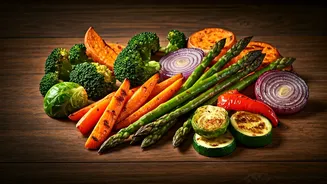
Stir-frying is a cornerstone of Chinese cuisine, offering a quick and efficient way to cook vegetables while preserving their crispness. Start with classic combinations such as broccoli, carrots, and bell peppers, adding a flavorful sauce made from soy sauce, garlic, and a touch of sesame oil. Another option is a mixed vegetable stir-fry, which allows you to use up various vegetables you have on hand, such as snap peas, water chestnuts, and baby corn. For a spicier kick, consider incorporating some red chili flakes or a few slices of fresh chilies. The key is to stir-fry the vegetables over high heat to achieve a slight char, enhancing their natural sweetness and texture. Always ensure the wok or pan is hot before adding the oil to achieve the desired sear. Serve these stir-fries with steamed rice or noodles.
Tofu-Based Dishes
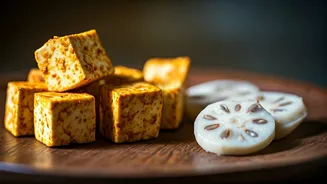
Tofu is a versatile ingredient that absorbs flavors incredibly well, making it a perfect base for numerous vegetarian Chinese dishes. Mapo tofu, a Sichuan classic, features soft tofu cubes simmered in a spicy, savory sauce made with fermented black beans, chili bean paste, and ground vegetables. For a different texture, try crispy tofu, which can be made by deep-frying tofu cubes until golden and crispy. This can be tossed in a sweet and sour sauce or a garlic-ginger glaze. Tofu can also be used in stir-fries, adding protein and substance to the meal. Whether silken, firm, or extra-firm, tofu adapts to various cooking methods. Ensure that you press the tofu beforehand to remove excess moisture for a crispier result, especially when frying or baking it. Experiment with different marinades, such as soy sauce, ginger, garlic, and five-spice powder, to enhance the tofu's flavor.
Dumplings and Spring Rolls
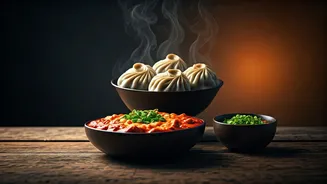
Dumplings and spring rolls are popular choices, adding an extra layer of culinary experience. Vegetable dumplings can be filled with a mixture of finely chopped vegetables, such as cabbage, carrots, and mushrooms, seasoned with soy sauce, ginger, and sesame oil. These can be steamed, boiled, or pan-fried, depending on your preference. Spring rolls offer a delightful crunch, usually filled with shredded vegetables, cellophane noodles, and sometimes bean sprouts. Before frying, make sure to seal the edges with a bit of water to avoid them opening during cooking. Serve these with a dipping sauce like sweet chili sauce or a simple soy sauce and vinegar mixture. Creating these delicacies can be a fun activity, often a chance to experiment with different tastes, and flavors.
Noodle and Rice Dishes
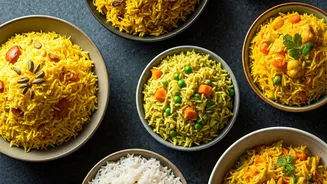
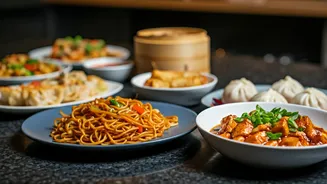
Noodles and rice form the backbone of many Chinese meals, providing a satisfying base for various vegetable combinations. Vegetable fried rice is a versatile dish, perfect for using leftover cooked rice and a medley of vegetables. Consider adding tofu or tempeh for added protein. Chow mein, another noodle dish, consists of stir-fried noodles with vegetables and a flavorful sauce. The noodles can be boiled first to soften, then stir-fried until slightly crispy. Lo mein is similar but features softer, wheat-based noodles. The key to both lies in the balance of ingredients and sauces, creating a harmony of flavors and textures. For a lighter option, opt for steamed rice, or experiment with brown rice for added nutritional value. Garnishing the dishes with sesame seeds and fresh herbs adds visual appeal and aromatic elements.
Soup and Broth
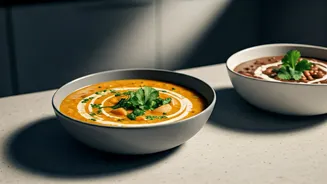
Soups play a vital role in Chinese meals, bringing warmth and balance to the overall dining experience. Vegetable soup, often prepared with a clear broth, includes an assortment of vegetables, like carrots, bok choy, and mushrooms. Add wontons to create a hearty soup, filled with a delicious vegetable filling. Corn soup is a rich and creamy choice, thickened with cornstarch and often flavored with egg ribbons. It provides a simple dish, often served as an appetizer before the main dishes. For a quick and easy soup, try a simple broth with noodles and vegetables, seasoned with soy sauce and ginger. The goal is to provide a refreshing and complementary taste. Adding fresh herbs such as cilantro adds a final touch, enhancing the flavors.
Sauces and Seasonings
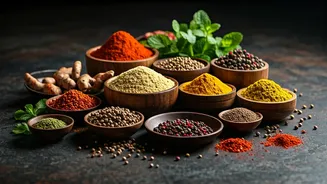
The secret to authentic vegetarian Chinese food lies in the sauces and seasonings. Soy sauce, both light and dark, forms the base of many sauces, providing a salty, umami flavor. Ginger, garlic, and chilies are essential, adding aromatic and spicy notes. Sesame oil brings a nutty aroma and flavor, while rice vinegar adds a touch of acidity. Five-spice powder, a blend of star anise, cloves, cinnamon, Sichuan peppercorns, and fennel seeds, offers depth of flavor. Sweet and sour sauce, made with vinegar, sugar, and tomato, provides a balance to richer dishes. Experimenting with different sauce combinations and seasonings allows you to customize the flavors to your preferences. Mastering these sauce recipes is fundamental to achieving the genuine flavors of vegetarian Chinese cuisine.
Vegetarian Chinese Cuisine
Vegetarian Chinese cooking is a culinary adventure, offering a wealth of flavors and textures that will please every palate. Incorporating fresh ingredients, mastering fundamental cooking techniques, and experimenting with various sauces and seasonings are key to success. This culinary style emphasizes the importance of balancing the five fundamental tastes: sweet, sour, salty, bitter, and umami. It also encourages the use of various cooking techniques, like stir-frying and steaming, preserving the natural flavors of the vegetables and enhancing the nutritional content. From stir-fried vegetable delights to tofu-based dishes, dumplings, and spring rolls, there is something for everyone to discover. By incorporating fresh produce, cooking in a unique way, and experimenting with different flavor profiles, you can explore the depths of this delicious cuisine.
Essential Ingredients
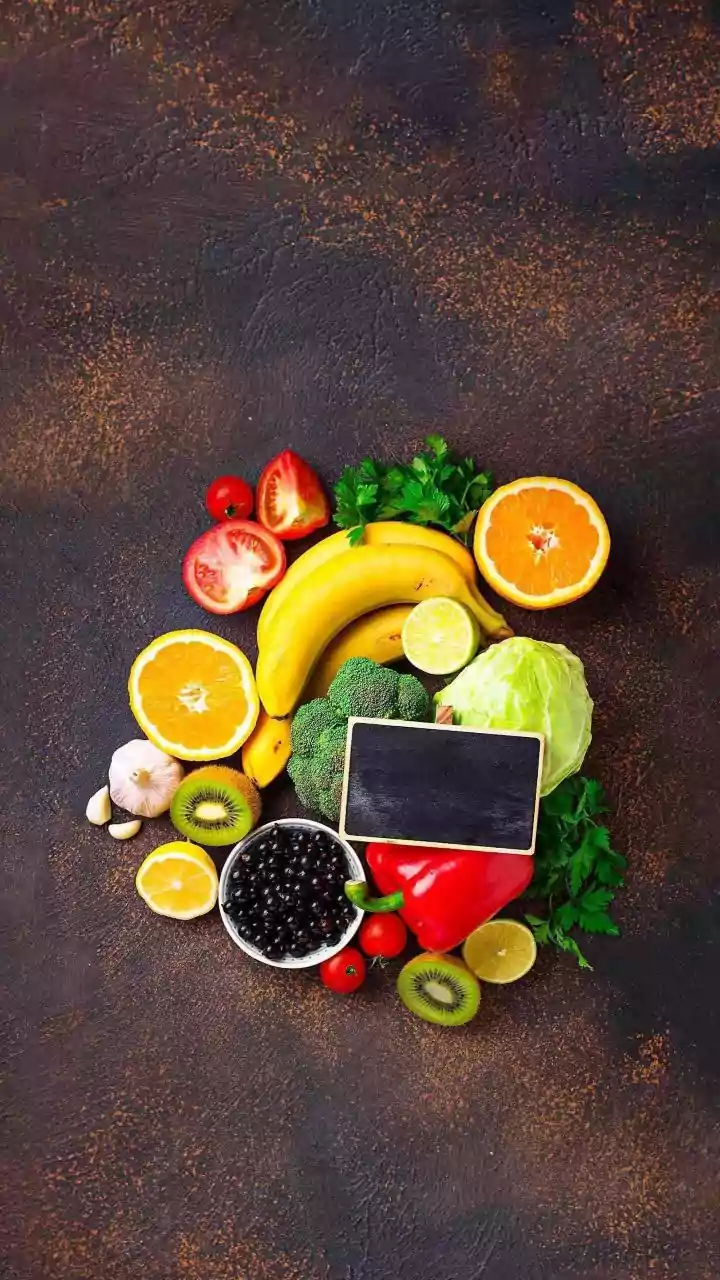
Stocking your pantry with essential ingredients is crucial to preparing vegetarian Chinese dishes. You'll need soy sauce, sesame oil, rice vinegar, and various types of oil for cooking. Tofu, both firm and silken, is a versatile protein source. Fresh ginger, garlic, and chilies are indispensable for flavoring your dishes. Dried shiitake mushrooms and wood ear mushrooms add an umami flavor and unique textures. Rice noodles, wheat noodles, and wonton wrappers expand your options for noodle and dumpling dishes. Don't forget pantry staples like cornstarch, sugar, and salt, which are essential for creating the perfect sauces and balancing flavors. Having a well-stocked pantry makes it easier to spontaneously create authentic Chinese vegetarian meals at home.
Tips for Success
To successfully prepare vegetarian Chinese dishes, follow these helpful tips. Always prepare your ingredients before you start cooking by chopping, measuring, and arranging all items. Use high heat for stir-frying to achieve the desired char and crispness of your vegetables. Don't overcrowd the wok or pan; cook in batches if necessary. Adjust the seasoning according to your preferences, tasting and adjusting as you go. Experiment with different combinations of vegetables, sauces, and spices to find your favorite flavor profiles. Consider using fresh, high-quality ingredients, which can elevate your dishes. Remember, consistency is crucial, so don't be afraid to try new techniques and dishes. With practice and experimentation, you'll master the art of vegetarian Chinese cooking and enjoy a world of culinary delights.