
Fiber-Rich Foods First
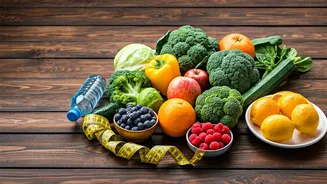
Increasing fiber intake is a cornerstone of a successful weight loss journey. Fiber, found abundantly in fruits, vegetables, and whole grains, promotes
satiety, making you feel fuller for longer. This, in turn, helps in consuming fewer calories throughout the day, thus aiding in weight management. Fiber also aids in maintaining stable blood sugar levels, preventing the spikes and crashes that can trigger cravings. Consider including options like oats, berries, broccoli, and apples in your daily meals to maximize fiber consumption and support your weight loss efforts. Incorporating these foods not only benefits weight loss but also enhances overall digestive health, ensuring a well-functioning system that supports your body's needs more efficiently. This approach allows a gradual shift towards a healthier dietary pattern, fostering better long-term outcomes and promoting a balanced approach to wellness, not just a quick fix.
Ditch Processed Delights
Limiting processed foods is crucial for achieving weight loss goals, as they are often loaded with added sugars, unhealthy fats, and excessive sodium. These components are calorie-dense but lack essential nutrients, leading to increased calorie consumption without nutritional benefit. Processed foods can also disrupt natural hunger cues, leading to overeating. A significant amount of the processed foods are also very addictive. Focus on preparing meals using fresh ingredients, such as whole grains, lean proteins, fruits, and vegetables. By steering clear of packaged snacks, ready-made meals, and sugary drinks, you can substantially cut down on empty calories and support your body's ability to burn fat effectively. This shift in dietary habits not only supports weight loss but also leads to an improvement in energy levels, skin health, and overall well-being. Prioritizing whole, unprocessed foods facilitates a more natural and balanced approach to eating.
Moderate Alcohol Consumption
Alcohol consumption can be a significant obstacle to weight loss. Alcohol is calorie-dense, often referred to as 'empty calories,' meaning it provides energy without essential nutrients. In addition, alcohol can lower inhibitions, potentially leading to overeating and making it harder to stick to a healthy eating plan. Regularly consuming alcohol can interfere with the body's fat-burning processes, as the liver prioritizes metabolizing alcohol. This impedes the efficient processing of fats and hinders weight loss. Reducing alcohol intake can free up liver function to focus on burning stored fat. Make sure to be mindful of your drinks and incorporate alcohol-free days into your week to support your weight management journey. This approach not only aids in weight loss but also contributes to improved liver health and enhanced overall wellness.
Embrace Calcium-Rich Choices
Increasing calcium intake can play a pivotal role in promoting weight loss and maintaining bone health. Calcium is involved in various metabolic processes, including fat metabolism. Adequate calcium intake helps regulate fat storage and may enhance the body's ability to burn fat. Foods rich in calcium like dairy products, leafy green vegetables, and fortified plant-based milk help meet these requirements. Ensuring sufficient calcium intake supports not only the fat-burning mechanisms but also strengthens bone health, which is particularly important as we age. Prioritizing calcium-rich foods provides multiple health advantages, encompassing weight management and robust skeletal health, enhancing overall well-being. This is an important consideration as we get past 30 to stay healthy and achieve your weight loss goals.
Avoid Fad Diet Traps
Fad diets often promise quick weight loss through restrictive measures, but these approaches are typically unsustainable and can be detrimental to your overall health. Many restrict essential nutrients and can lead to muscle loss and metabolic slowdown, making it harder to maintain long-term weight management. Fad diets also promote unhealthy eating patterns. Instead of turning to these short-term solutions, focus on building sustainable and balanced eating habits that support your overall health. Prioritizing a balanced intake of nutrients, portion control, and regular physical activity will provide more sustainable results than any restrictive diet. Make small, consistent lifestyle changes rather than rapid, drastic shifts. This approach helps in achieving weight loss in a healthy way while promoting long-term well-being and a positive relationship with food.