

A Living Art Gallery
Shalini Passi's opulent 20,000 square foot Delhi residence in the prestigious Golf Links neighborhood is far more than just a dwelling; it's a meticulously
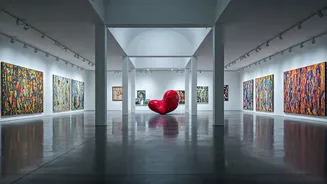
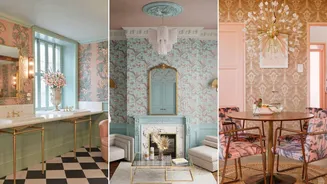
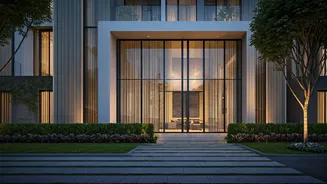
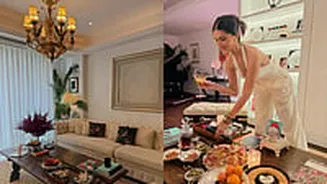
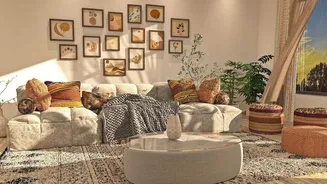
curated environment where art, architecture, and personal philosophy coalesce to profoundly impact the experience of those within it. Developed over a significant five-year period, this sprawling bungalow, affectionately termed a "labour of love" by Passi herself, is designed to be both an expressive canvas and a deeply personal sanctuary. The architectural framework itself establishes a captivating aesthetic, featuring a gracefully curved structure that offers serene views of a meticulously maintained lawn. Dominating the landscape is a monumental 25-foot Buddha head sculpture, a striking creation by the artist Subodh Gupta. This visual narrative is amplified by the striking dichotomy between the home's restrained, minimalist exterior—characterized by clean white walls, warm wooden accents, and expansive glass windows—and its vibrantly maximalist interiors. The interior environment unfolds like an immersive art exhibition, adorned with an impressive collection of paintings, sculptures, installations, unique Fornasetti bureaus, charming Gio Ponti curios, ornate gilt-wood mirrors, and even a significant artwork by MF Husain. Despite its resemblance to a museum, Passi emphasizes that her home is a dynamic entity, with artworks frequently rotated and recontextualized, ensuring a perpetual sense of discovery and evolution rather than static display.
Design for Experience
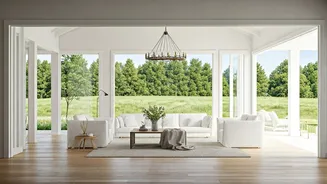
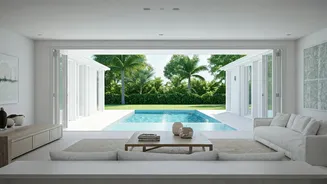
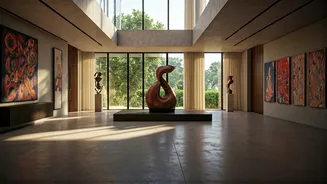
The architectural and design decisions within Shalini Passi's residence extend well beyond mere visual appeal, aiming to cultivate a specific atmosphere and enhance the inhabitant's experience. Vast expanses of glass are strategically incorporated to allow natural light to pour into the soaring, cathedral-like central spaces, effectively framing both the internal artistic displays and the external natural beauty. This infusion of light not only illuminates the art but also connects the interior with the surrounding environment. The tactile and visual richness is further amplified through the use of sumptuously soft carpets, authentic Persian rugs, gleaming marble flooring, dazzling crystal chandeliers, and intricate woodwork, all of which contribute to an enveloping sense of warmth and sophisticated texture. Complementing the grandeur within, the property also features essential elements of tranquility, including a refreshing swimming pool, a charming gazebo, and an inviting garden, creating distinct zones of calm amidst the home's inherent opulence. This thoughtful arrangement ensures a harmonious equilibrium between visual stimulation and an overarching sense of spaciousness, providing both intellectual engagement and a peaceful retreat.
Art's Psychological Impact
The profound connection between personality, lifestyle, and interior design is vividly illustrated by Passi's personal philosophy, which she shared in a notable video. Her guiding principle, "Be the star of your own show. Be it small or big, do it your way," strongly resonates with the bold and uncompromised maximalist aesthetic of her home. Simultaneously, she highlighted the deliberate creation of personal boundaries in social interactions, stating the need to cultivate a specific "persona to keep everybody away and be there for my friends but not be approachable." This intricate dance between openness and carefully maintained privacy could very well be mirrored in the spatial design of her residence, influencing what is openly displayed and what remains a more intimate, protected space. These observations prompt critical contemplation on how interiors that are densely layered with art, grand in scale, and rich in symbolic meaning can actively shape our emotional states, influence our behaviors, and even subtly affect our interpersonal relationships, demonstrating that our living spaces are more than just backdrops but active participants in our lives.
Creativity and Well-being
The question arises: how do spaces characterized by intense detail and visual richness genuinely affect our capacity for focus, our creative output, and our overall mental well-being? Sonal Khangarot, a licensed rehabilitation counselor and psychotherapist, offers valuable insights, describing homes like Shalini Passi's, with their maximalist tendencies, as environments that provide considerable visual stimulation through art, varied textures, and layered objects. Psychologically, such environments can have a dual effect. On one hand, they can be potent catalysts for creativity. The constant sensory input can inspire novel ideas and foster associative thinking, particularly benefiting individuals who thrive in dynamic surroundings. The presence of art can also unlock emotional expression and personal meaning, thereby supporting psychological well-being. However, Khangarot cautions that excessive visual stimuli might impede concentration, especially for those susceptible to anxiety or cognitive overload. The brain's continuous processing of visual cues can lead to mental fatigue or distraction. The crucial element, therefore, is achieving a balance. By integrating deliberate areas of visual respite within maximalist settings, individuals can allow their minds to reset and regain equilibrium, optimizing both stimulation and calm.
Minimalist vs. Maximalist
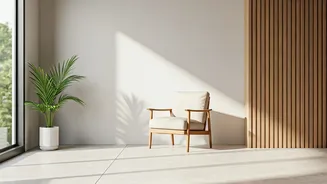
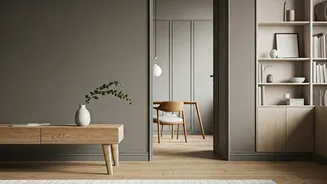
In residences like Shalini Passi's, the deliberate contrast between a minimalist exterior and richly adorned interiors creates a compelling psychological journey, as explained by Khangarot. A minimalist exterior typically evokes feelings of calm, order, and predictability, helping to soothe the nervous system as one approaches the space, setting a tone of restraint and security. In stark contrast, stepping into a maximalist interior can be an immersive and highly stimulating experience, almost like transitioning into a different psychological realm. This shift, Khangarot suggests, can heighten emotional engagement, pique curiosity, and cultivate a profound sense of discovery. Such a pronounced contrast effectively enhances the perception of both environments; the simplicity of the exterior makes the interior's richness appear more vibrant, while the interior's intensity, in turn, makes the grounded simplicity of the exterior feel even more anchoring. When harmoniously balanced, this interplay empowers individuals to fluidly transition between states of calm and stimulation within the same home, thereby supporting both deep relaxation and robust creative expression, demonstrating a sophisticated approach to living.