




Challenges of Space Medicine
Providing medical care in space presents significant hurdles. Zero-gravity environments, limited resources, and the isolation of space missions necessitate
innovative medical solutions. Diagnosing illnesses or injuries in space is complicated by a lack of access to sophisticated diagnostic tools readily available on Earth. Astronauts are often far from immediate medical assistance, making on-the-spot treatment critical. Furthermore, the psychological effects of long-duration spaceflight can also influence an astronaut's physical and mental health. These unique challenges have pushed the development of specialized medical kits, advanced telemedicine capabilities, and extensive astronaut training programs designed to manage a broad spectrum of health issues during space missions.
Medical Protocols Implemented
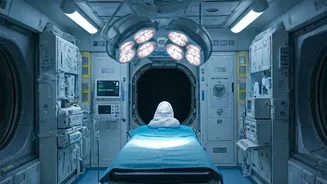
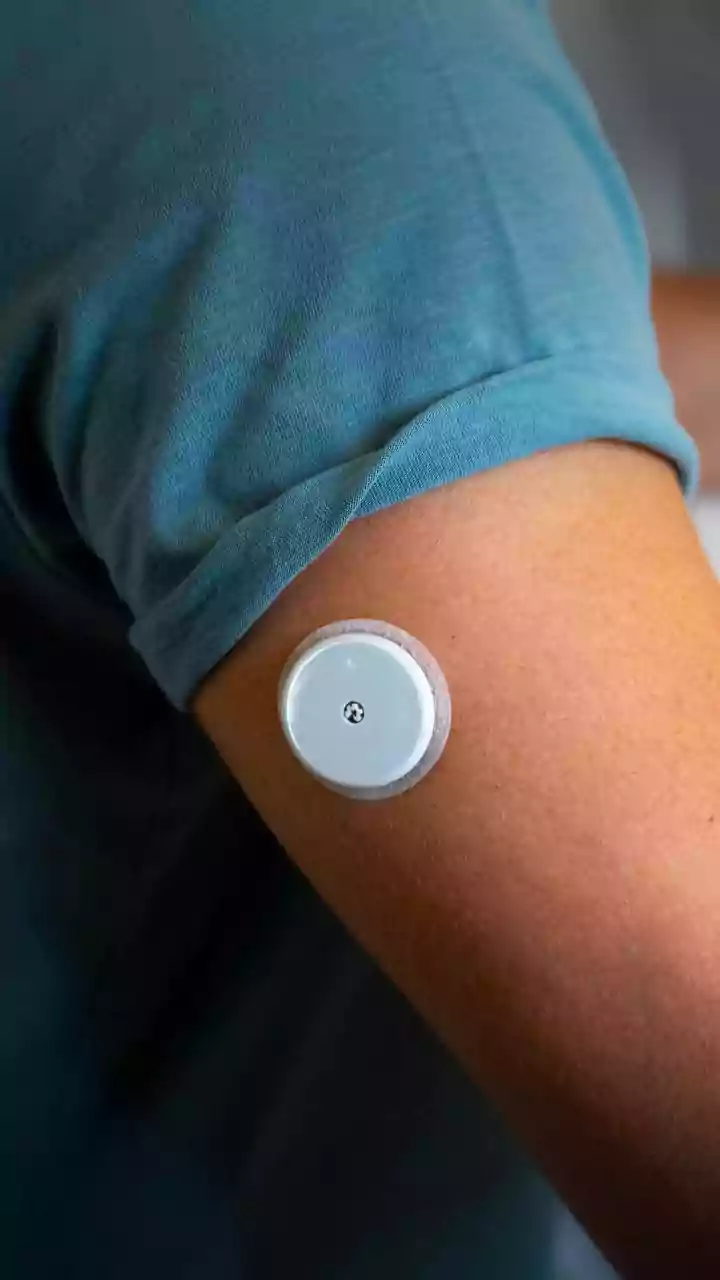
NASA has implemented robust medical protocols designed to mitigate risks and manage potential health issues. Before any mission, astronauts undergo rigorous physical and psychological evaluations to assess their suitability for spaceflight. Astronauts receive comprehensive medical training, enabling them to handle various medical situations independently. Spacecraft are equipped with advanced medical kits that include medications, surgical tools, and diagnostic equipment, allowing them to provide a range of medical interventions. Telemedicine systems play a vital role, allowing astronauts to consult with ground-based physicians. Regular health check-ups and monitoring are integral to these protocols, offering early detection of any health concerns. Furthermore, NASA has created procedures for scenarios needing medical evacuations, ensuring a timely return of astronauts needing specialized care.
Emergency Evacuations in Space
When astronauts experience health emergencies, NASA is ready to initiate a medical evacuation from the ISS. These complex operations require precise coordination and logistical planning. Medical evacuations have been done in the past, with the most recent involving the return of Crew-11 astronauts on January 14. NASA's objective is to ensure the astronauts' swift and safe return to Earth when they need more intensive medical care. The process involves preparing the spacecraft for the journey, ensuring the astronaut receives immediate medical attention, and coordinating with ground teams for a safe landing. The decision to evacuate is not taken lightly, as it disrupts mission schedules and requires international cooperation. However, the health and safety of the astronauts take precedence, and NASA is prepared to make difficult decisions to safeguard the lives of those in space.
Crew-11 Medical Evacuation
The medical evacuation of the Crew-11 astronauts served as a demonstration of NASA's readiness and capability to address health emergencies in space. The medical evacuation had to be scheduled to bring them back to Earth. The precise time of the evacuation was of utmost importance, with extensive planning to ensure a smooth transition from the ISS back to Earth. The evacuation didn't interfere with the Artemis 2 moon mission, scheduled to launch soon. The Crew-11 astronauts had to hand over control of the ISS prior to their return. This event showed NASA's commitment to astronaut health, reinforcing its ability to execute complex operations, even during urgent situations. This process highlighted the importance of coordinated international efforts in space missions.
Future Missions and Medicine
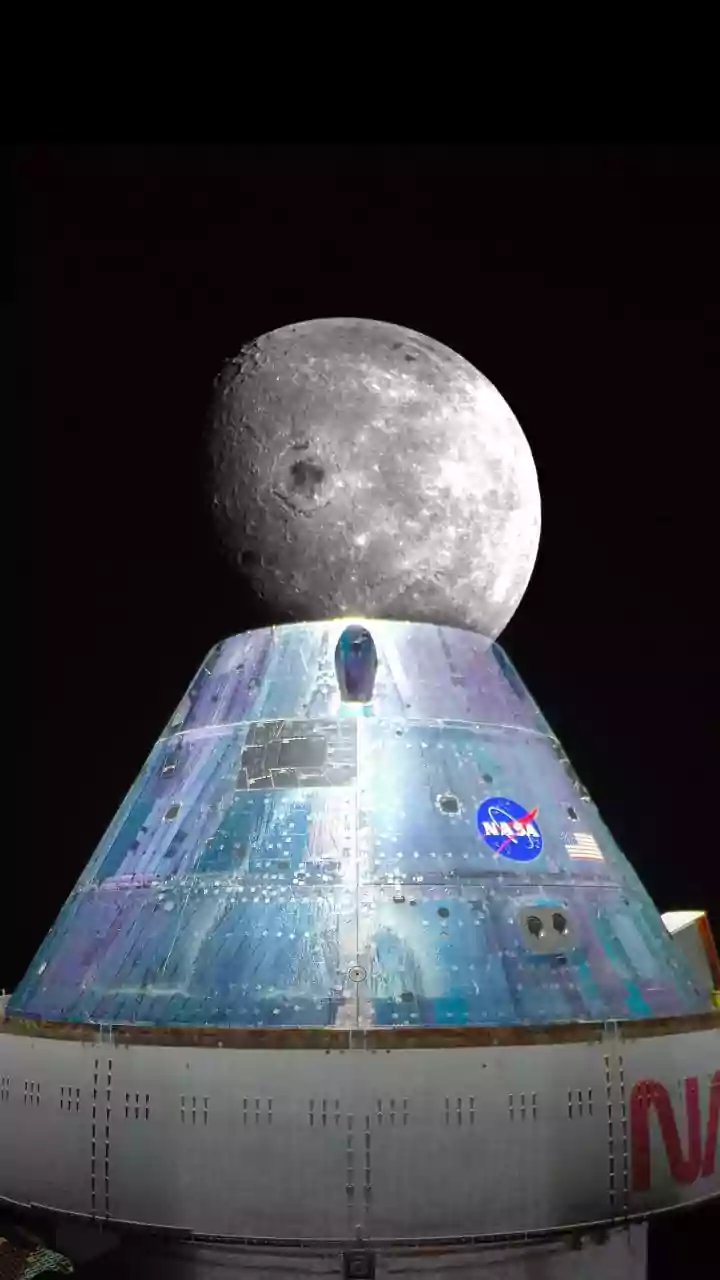
As space exploration advances, medical procedures will continue to evolve, with further technological developments. The Artemis program, for instance, includes plans for long-duration stays on the Moon. This necessitates developing more advanced medical capabilities. NASA is constantly researching and adopting innovative medical technologies, including more advanced diagnostic tools, better telemedicine systems, and improved medical kits. Space medicine will play a crucial role in enabling safer and more sustainable exploration beyond Earth. The experiences and lessons derived from ISS missions will provide valuable insights into managing future health challenges. These preparations are essential for ensuring that astronauts can safely and effectively explore new frontiers.









![[WATCH] 'Real Madrid, Ramadan and rest' - Mohammed Siraj how last-minute World Cup call-up changed February plan](https://g-mob.glance-cdn.com/public/fc/image/ByYT_LEmlrD0.webp)