





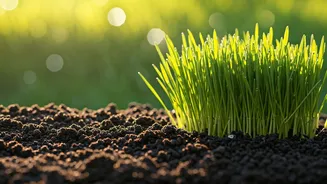
Natural Mulch Barrier
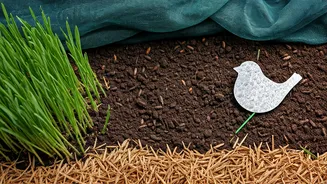
One highly effective and natural method to dissuade birds from accessing your newly sown grass seed is by applying a light layer of organic mulch. Professionals
suggest using materials like straw or finely shredded leaves. This thin covering serves to camouflage the seeds, making them less visible to avian visitors. Crucially, the mulch should be applied evenly and sparingly, as an overly thick layer can impede the vital sunlight and moisture needed for germination. Opting for biodegradable mulch is also advantageous, as it will decompose over time, contributing to soil enrichment. This technique creates a physical, yet permeable, barrier that allows the seeds to sprout while deterring birds from their intended snack.
Employ Visual Deterrents
Birds are inherently cautious creatures, and their natural instinct is to flee from anything perceived as a threat. Leveraging this trait, lawn experts recommend utilizing visual deterrents. Brightly colored flags that flutter in the breeze, or reflective objects, can create a sense of unease, discouraging birds from landing. For maximum impact, it's essential to move these deterrents regularly so birds don't grow accustomed to their presence. Combining various types of visual cues, such as flags alongside static models of predatory birds like owls or hawks, can significantly enhance their effectiveness, creating a more convincing illusion of danger and prompting birds to seek their meals elsewhere.
Sow Extra Seeds
A clever strategy to counteract birds consuming your grass seed is to simply sow more than you initially think you'll need. This method, often referred to as compensating for expected losses, involves generously scattering extra seed across the intended area. Once the seeds are sown, it's important to lightly rake them into the soil or cover them with a thin layer of fresh topsoil. This action serves a dual purpose: it helps conceal the seeds, making them less conspicuous to birds, and it also promotes better germination by integrating them with the soil. By increasing the seed quantity, you ensure that even after birds take their share, enough seeds remain to establish a healthy, dense lawn.
Install Protective Netting
Creating a physical barrier is a surefire way to prevent birds from reaching your grass seed. Netting serves this purpose effectively without causing any harm to the birds. Available in various mesh sizes and easy to install, it provides a robust defense. Beyond just deterring birds, netting also allows essential elements like air and moisture to penetrate to the soil, supporting seed germination. Furthermore, this protective covering can also safeguard your seeds from other common garden pests, such as squirrels, that might otherwise consume them. Its versatility makes it a popular and reliable choice for lawn enthusiasts looking to protect their investment.
Utilize Seed Blankets
Similar to netting, seed blankets offer another practical physical barrier to protect newly sown grass seed from birds. Materials such as burlap sheets or floating row covers effectively block birds from accessing the seeds while still permitting crucial sunlight and water to reach the soil surface. These coverings are also beneficial in preventing erosion caused by wind or heavy rain, ensuring the seeds remain evenly distributed and enhancing the chances of successful germination. To ensure these blankets stay in place, experts recommend securing their edges firmly with stakes or heavy rocks, preventing them from being dislodged by the elements.