






The Rise of Indigenous Snacks
A significant shift is occurring in India's snacking landscape, with a clear move away from highly processed, manufactured items towards traditional, indigenous
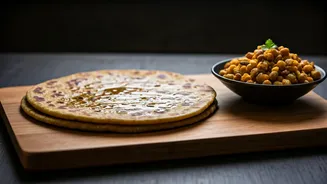
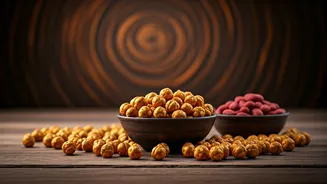
foods. Reports indicate that a substantial portion of urban consumers, nearly 68% according to the 2025 Global Wellbeing Index, are actively seeking to replace 'Ultra-Processed Foods' (UPFs) with 'Indigenous Power Snacks'. This trend is visible across bustling markets in cities like London and New Delhi, where rustic snacks such as foxnuts (makhana) and roasted chana (chickpeas), along with jars of monofloral honey, are increasingly taking precedence over conventional crisps and puffs. This phenomenon is driven by a confluence of factors, including a growing awareness of health and wellness, coupled with a desire to reconnect with traditional dietary practices rooted in ancient Ayurvedic principles. The global clean-eating movement has further propelled these native ingredients into the spotlight, often marketing them as inherently beneficial for weight management.
Naturally Weight-Loss Friendly?
Many indigenous snacks are not inherently 'diet foods' but rather everyday staples that were traditionally simple, seasonal, and minimally processed. Dieticians highlight that the low caloric density of these foods is a key factor, primarily due to the absence of added fats, oils, sugars, or preservatives during their preparation. Snacks like roasted makhana, boiled millets, or roasted chana are beneficial because they are both light and satiating. Their natural fiber content plays a crucial role in promoting feelings of fullness, thereby helping individuals manage their appetites and avoid overconsumption. A 2025 report on Indian snacking habits further supports this, indicating that around 60% of urban consumers are turning to these traditional snacks for cleaner eating, seeking familiarity combined with health advantages. However, caution is advised, as the addition of ingredients such as refined oils, artificial flavorings, excessive salt, and sugar can significantly increase the calorie count, transforming a healthy snack into a high-calorie indulgence. Even small quantities of oil, combined with hidden sugars in seasoning mixes, can quickly alter the nutritional profile of what was once a low-calorie option.
The Peril of Overconsumption
The concept of portion control often gets overlooked, even with supposedly healthy indigenous snacks. While traditional preparation typically involved measured servings—such as a handful of roasted chana or a small bowl of makhana shared within the household—packaged versions are designed for convenience and continuous consumption. The psychology behind 'snack packs' caters to a more mindful eating approach, which can lead to overeating. Research from the 2026 Nutritional Behaviour Institute suggests that consumers tend to consume up to 35% more when a product is labeled as 'baked' or made with 'ancient grains,' due to a perceived reduction in guilt. According to dieticians, packaged snacks often encourage overconsumption because they are engineered for taste and convenience, which can mask the body's natural signals of fullness. This subtle shift means that a snack intended to be light can easily lead to finishing an entire packet, undermining its potential health benefits.
Raw Honey's Metabolic Role
While makhana might be considered a snack star, raw honey holds a special place as a 'liquid gold' among indigenous foods. Consumers are increasingly looking beyond commercially processed honey towards raw, monofloral varieties. While proponents believe raw honey, including specific types like Ajwain flower and Saffron honey, can be a beneficial component of a balanced diet, it's crucial to avoid viewing it as a magic bullet for fat loss. The primary value of raw honey, especially varieties like Ajwain and Saffron, stems from its minimal processing, which helps retain natural enzymes. From a metabolic standpoint, its significance lies in providing a more natural alternative to refined sugar. However, its actual impact on weight management is heavily dependent on overall dietary patterns and physical activity levels, rather than being solely attributable to the type of honey consumed.
Decoding Labels for Health
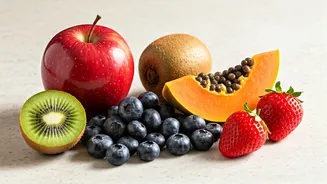
Navigating the supermarket aisles for genuinely healthy weight-loss snacks requires a critical approach to label reading. A 'Back-to-Basics' strategy is recommended. Consumers should look beyond prominent claims like 'Baked' and instead scrutinize the total calories per serving, paying close attention to hidden sources of oil. The ingredient list serves as a litmus test; aim for shorter, simpler lists with ingredients that are easily recognizable. If an ingredient's name is unfamiliar or difficult to pronounce, it's likely not beneficial for your body. Furthermore, be aware of the multi-serving deception common in snack packaging, where a single bag often contains two or three servings. For those committed to weight loss, sticking to simple, indigenous favorites like roasted makhana, roasted chana, boiled corn on the cob, sprouts chaat, and seasonal fruits is advisable. These options are naturally rich in fiber, promoting satiety and supporting weight management effectively.