




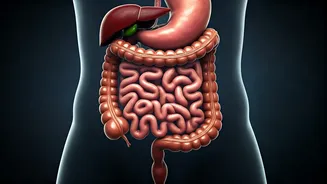

The Monotony Trap
Consistently consuming the same meals may seem efficient and healthy, but it can subtly undermine your gut's microbial resilience. Over time, this repetition
can lead to slower digestion, increased bloating, and more frequent bouts of constipation or irregular bowel movements. Even a diet perceived as 'clean,' if lacking in variety, might not provide the diverse range of fibers essential for feeding different gut microbes. Research highlights a strong link between a wider array of plant-based foods and improved gut function, along with better metabolic health. This underscores the idea that a plate filled with just a few staple items, even if nutritious, might not be supporting the full spectrum of beneficial gut bacteria needed for optimal health.
Fueling Your Microbiome
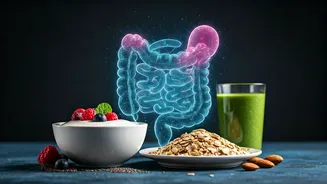
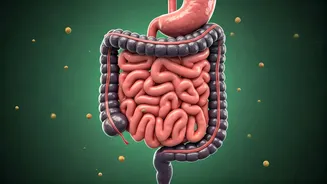
The human gut is home to a complex ecosystem teeming with trillions of bacteria, fungi, and other microorganisms. Each of these inhabitants thrives on specific types of nourishment. When your diet lacks diversity, certain beneficial microbes may dwindle, while others might overpopulate, leading to an imbalance. A significant study revealed that individuals consuming over 30 different plant foods weekly possessed a markedly more diverse gut bacterial population compared to those eating fewer than 10. This diversity translates into a more robust and adaptable gut, capable of better processing nutrients and maintaining overall health. Think of it as an ecosystem that needs a varied buffet to flourish.
Managed Variety: The Sweet Spot
The solution to a monotonous diet isn't drastic dietary overhauls, but rather a strategy of 'managed diversity.' This approach involves introducing small, consistent changes to your eating patterns. For instance, rotating your grains between rice, millets, quinoa, and whole wheat can introduce different fiber types. Similarly, incorporating seasonal vegetables, expanding your pulse selection beyond just one or two staples, and including fermented foods like curd or buttermilk can significantly benefit your gut. Even adding small amounts of various herbs, seeds, and nuts contributes to this dietary richness. These modifications provide new fibers that, when digested by gut bacteria, produce short-chain fatty acids, compounds vital for reducing inflammation and reinforcing the gut lining.
The Bigger Picture
While a fixed meal plan can simplify daily decisions and manage calorie intake, the gut's optimal functioning relies on more than just routine. It thrives on variation. A repetitive diet, though easy to prepare and predictable, doesn't always serve the gut well. The digestive tract is a dynamic living system, not a mechanical one, and its inhabitants respond to the daily input. While repetition can aid in calorie control, reduce decision fatigue, and support consistency in weight management or help identify intolerances, the detrimental effects of long-term monotony on microbial diversity are significant. The key takeaway is to move beyond daily repetition to embrace a more varied approach over months and years for sustained gut health.