






Knuckle Cracking Myths
The persistent worry that cracking your knuckles will inevitably lead to arthritis is largely a misconception, according to medical professionals. The characteristic
popping sound is attributed to the formation and collapse of gas bubbles within the synovial fluid that lubricates our joints, rather than any damage to the joint structure itself. While the act of cracking knuckles doesn't directly cause arthritis, the intensity and manner in which it's performed can matter. Engaging in aggressive or forceful cracking might lead to irritation of the surrounding ligaments, potentially resulting in temporary swelling or a diminished grip strength. Therefore, while occasional and gentle cracking is typically benign, habitual and forceful manipulation of the joints is best avoided to prevent undue stress and potential discomfort.
Urine Retention Risks
The habit of frequently delaying urination carries more significant health implications than many realise. Consistently holding your urine can place undue stress on your bladder, and over an extended period, this strain may elevate the likelihood of developing urinary tract infections, lead to overstretching of the bladder, and result in incomplete bladder emptying. The bladder operates most efficiently when it adheres to a natural rhythm of filling and emptying. Repeatedly disregarding the body's signals to urinate can disrupt this fundamental physiological process, potentially compromising bladder function and leading to discomfort or other complications.
Ear Cleaning Caution
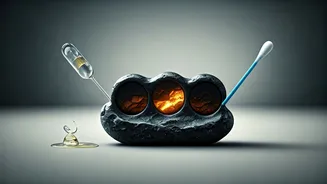
Despite their widespread daily use, medical experts routinely caution against the use of cotton swabs for ear cleaning. The primary issue is that these swabs often push earwax further into the ear canal rather than effectively removing it. This impaction can lead to a blockage, cause irritation, and in some instances, inflict injury upon the delicate ear canal or even the eardrum. It's important to remember that the ear possesses a natural self-cleaning mechanism. Typically, gently cleaning the external parts of the ear with a cloth is sufficient. Should you experience a blockage or significant hearing difficulty, seeking professional medical cleaning is a far safer and more advisable approach.
Hot Food Dangers
The temperature of our food plays a more critical role in our digestive health than commonly perceived. Consuming food that is excessively hot can cause irritation to the sensitive lining of the mouth, the throat, and the oesophagus. While a single instance might not cause lasting harm, repeated exposure to chronically high temperatures over many years could potentially increase the risk of tissue damage in these areas. It is advisable to allow food to cool to a warm, rather than burning hot, temperature before consumption to protect these delicate tissues from thermal injury.
Water During Meals
The notion that drinking water while eating is detrimental to digestion is a prevalent myth that lacks scientific basis. In reality, consuming moderate amounts of water during meals is a normal and even helpful practice, as it aids in the process of swallowing food. The widely held belief that water effectively 'shuts down' the digestive system is not medically accurate. While consuming an excessive quantity of water during a meal might lead to temporary bloating in some individuals, it does not impede the functioning of essential digestive enzymes that break down food.
Stomach Sleeping Impact
Sleeping in a prone position, or on your stomach, can place significant strain on both your neck and spine due to the unnatural alignment it creates. Over time, this habitual sleeping posture can manifest in various physical issues, including increased stiffness, the development of postural problems, and a general disruption of sleep quality. For optimal spinal alignment and a more restorative sleep experience, medical advice generally recommends sleeping on your side or on your back, as these positions tend to support the natural curvature of the spine more effectively.