






Hidden Dangers Unveiled
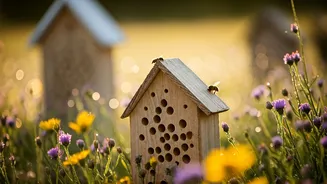
Bee hotels, often marketed as a simple solution to declining native bee populations, can pose significant risks if not managed properly. A comprehensive
2015 study revealed that these artificial nesting sites, while intended to provide crucial shelter, can inadvertently become breeding grounds for invasive bee species, parasites, and diseases. These structures can concentrate native bees, making them more vulnerable to predators and pathogens that thrive in dense populations, potentially turning a sanctuary into a 'population sink' where the very species they aim to protect are harmed. This highlights that the perception of bee hotels as a universally beneficial tool is often a misconception, requiring a deeper understanding of their ecological impact.
The Crucial Role of Maintenance
The most significant pitfall of bee hotels lies in their improper management; they are not decorative garden items but rather managed nesting facilities. Neglecting regular upkeep transforms a supposed haven into a detriment. Without consistent cleaning and material replacement, these structures can become reservoirs for pathogens and parasites, which can then spread more easily due to the concentrated nesting. When nesting tubes become worn or show signs of infestation, they must be replaced. Furthermore, the act of opening and cleaning these hotels periodically is vital for monitoring the health of the resident bees and preventing the accumulation of harmful agents, making ongoing attention non-negotiable for their efficacy.
Strategic Placement Matters
Beyond maintenance, where a bee hotel is situated plays a pivotal role in its success. Aesthetics should take a backseat to the needs of the bees. These hotels are most beneficial in environments where natural nesting materials for native bees are scarce, such as urban settings or highly manicured gardens lacking bare ground or dead wood. In areas already rich in natural habitats, a bee hotel might offer little advantage. Optimal placement also ensures the hotel is visible and accessible for regular inspection. If a hotel is hidden away, monitoring for issues like pest infestations or the presence of invasive species becomes difficult, hindering timely intervention and potentially undermining the conservation goals.
Invasive Species Threat
A lesser-discussed yet critical concern associated with bee hotels is their potential to attract and harbour invasive bee species. Research has indicated a negative correlation between the presence of invasive bees and native cavity-nesting bees in managed nesting sites. Invasive species, such as the giant resin bee, can outcompete native bees for nesting resources, leading to displacement and even direct conflict. This means that the structure designed to assist native pollinators can inadvertently lead to their eviction, directly counteracting its intended purpose. It is crucial to recognise that bee hotel marketing often focuses on aspirational outcomes, overlooking the real-world challenges posed by opportunistic invasive populations.
Parasite and Disease Escalation
The aggregation of nests in bee hotels amplifies the risk of parasite and disease transmission. Because many bee species utilise the same nesting structures across seasons, pathogens and parasites can build up and spread more readily than in naturally dispersed nesting sites. Studies have shown higher parasitism rates in bee hotels compared to natural nesting environments. The ease with which parasites can locate and move between hosts in such concentrated settings makes them particularly vulnerable. This underscores the need for a realistic approach, where sanitation, seasonal replacement of nesting materials, and frequent inspections are considered essential components of bee hotel management, not optional extras.
Holistic Bee Support
While bee hotels can be a component of supporting native bees, they are most effective as part of a broader conservation strategy. This holistic approach should encompass planting native flora that provides food sources, significantly reducing or eliminating pesticide use in gardens, and preserving natural ground cover. The primary objective should remain the support of native bees, rather than creating a general habitat for all insects. By focusing on these interconnected elements, and by diligently maintaining and monitoring bee hotels, they can indeed serve as a valuable tool for native pollinator conservation. A well-managed bee hotel is a functional asset, whereas a neglected one is merely a problematic structure.