








Breakfast's Shifting Identity
The idea of specific 'breakfast foods' is a relatively recent invention, largely taking shape in the late 19th and early 20th centuries. For a vast majority
of human history, meals were remarkably similar regardless of the time of day. It was the profound societal shifts brought about by industrialization, coupled with strategic marketing efforts, that began to carve out distinct categories for morning meals. This period saw many dishes that were once robust evening fare gradually transition into the quintessential breakfast options we recognize today, a testament to how dynamic and adaptable our food customs truly are. The push for lighter, healthier morning options was significantly influenced by figures like John Harvey Kellogg, who promoted cornflakes as a pure, less heavy alternative to the traditional, meat-centric breakfasts common during the early industrial age. This era truly redefined what it meant to start the day with food, transforming our plates and palates.
Bacon and Eggs' Rise
The iconic pairing of bacon and eggs, now almost synonymous with a hearty breakfast, has a fascinating backstory. Historically, both components were considered everyday ingredients, consumed at any meal, be it lunch or dinner. Eggs found their way into a wide array of savoury preparations, often serving as a binder or a primary element in dishes not specifically designated for the morning. Similarly, bacon was a versatile flavour enhancer, frequently served alongside vegetables or incorporated into slow-cooked stews to add depth. Their ascendance to breakfast royalty wasn't organic but was significantly propelled by a powerful marketing campaign in the 1920s. This concerted effort successfully rebranded them as the ultimate, energizing start to the day, solidifying their status as an indispensable breakfast staple in many cultures.
Chicken and Waffles' Journey
Waffles, often perceived as a sweet breakfast treat today, have a rich history rooted in savoury traditions. They were historically served with substantial dishes like rich stews and roasted meats, particularly within Pennsylvania Dutch culinary heritage, where they formed part of hearty evening repasts. One authentic rendition even featured chicken and gravy as a traditional Sunday supper. The modern iteration, a delightful combination of fried chicken and waffles, emerged later and gradually gained popularity. It eventually found its niche as a beloved brunch or breakfast item, ingeniously merging sweet and savoury elements into a new and celebrated cultural staple that appeals to a wide range of palates.
Eggs: A Versatile Staple
While eggs are almost universally linked to breakfast in contemporary diets, their culinary journey has been far more expansive. For centuries, eggs served as a highly adaptable ingredient, seamlessly integrated into meals across the entire day, including substantial dinners and suppers. Older cookbooks from the 18th and 19th centuries are replete with recipes showcasing eggs not just as a side, but as central components in various main courses and savoury preparations. Their gradual transition to becoming a primary breakfast food was a consequence of evolving dietary habits and an increasing societal demand for quicker, more convenient morning options, reflecting a broader shift in how people approached their daily sustenance.
Hash: From Leftovers to Legend
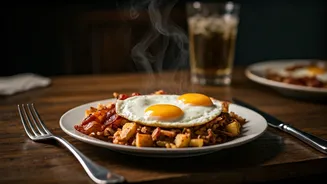
The concept of hash originated as a wonderfully practical solution for utilizing leftover ingredients, primarily meat, potatoes, and onions, all finely chopped and reheated. Before the widespread availability of refrigeration, this method was an incredibly efficient way to repurpose food from previous meals, especially the substantial Sunday roasts. This resourceful dish's inherent convenience and ease of preparation for reheating meant it transitioned smoothly into the culinary landscape of diners and restaurants. Its adaptability and satisfying nature soon made it a popular choice for breakfast service, transforming it from a mere necessity into a beloved morning menu item appreciated for its comforting, hearty qualities.
Oatmeal's Humble Beginnings
Oatmeal, now widely recognized as a wholesome and healthy breakfast choice, once held a more egalitarian place in the daily diet. It was commonly consumed as a simple, filling meal at any hour, including dinner, particularly among the working classes in both Europe and North America. Its appeal lay in its affordability, its ability to provide sustained energy, and its straightforward preparation. Over time, as packaged foods became more prevalent and marketing campaigns began highlighting oats as an ideal way to start the day, oatmeal's association with breakfast became firmly entrenched, eclipsing its broader historical use as an anytime meal.
Pancakes' Day-Long Appeal
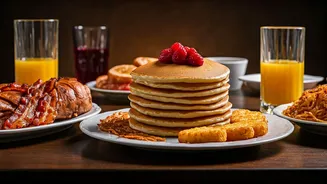
Early American culinary traditions did not confine pancakes solely to the breakfast table; they were a common sight at dinner and supper as well. Functioning much like bread, they offered an affordable, filling, and incredibly versatile base that could be paired with both sweet and savoury accompaniments, from rich meat drippings to various sweet toppings. The strong association of pancakes with the morning meal is a development that occurred primarily in the late 19th and early 20th centuries. This shift was influenced by the growing popularity of dedicated breakfast menus in restaurants and the commercial availability of syrup, which solidified their status as a quintessential breakfast indulgence.