
The Humble Leek
Leeks, with their mild, onion-like flavor and layered stalks, are incredibly versatile. They are often cultivated for their white and light green parts,
which are used in soups, stews, and braised dishes. The flavor of leeks is often described as a more delicate version of an onion, with a subtle sweetness. When cooking leeks, it’s important to thoroughly clean them, as dirt can get trapped between the layers. Sautéing leeks gently until they soften and become translucent is a common cooking method, allowing their flavor to fully develop. Leeks pair well with other vegetables like carrots and potatoes, and herbs such as thyme and bay leaf. They contribute a gentle, savory note to a range of dishes, from simple side dishes to complex sauces and gratins, making them a kitchen staple.
Garlic Scapes Unveiled
Garlic scapes, the flowering stems of the garlic plant, offer a unique and vibrant flavor profile. They appear in late spring and early summer. These curly green stalks, often discarded, possess a milder garlic flavor with a hint of green. Garlic scapes can be used in numerous ways. They are delicious when grilled, sautéed, or pickled. Garlic scapes can be finely chopped and added to pesto, sauces, or dips. Their vibrant flavor complements various ingredients. Garlic scapes can also be pureed into a flavorful spread for bread. Whether used raw or cooked, garlic scapes provide a burst of fresh, garlicky goodness. They add a special touch to dishes.
Garlic and Its Versatility
Garlic, with its pungent aroma and robust flavor, is a foundational ingredient in many cuisines. It comes in various varieties, each with slightly different characteristics. The cloves can be used in raw or cooked preparations. Minced garlic adds a sharp punch to dishes, while roasted garlic mellows into a sweeter, softer flavor. Garlic can be found in a variety of forms, including fresh bulbs, dried granules, and minced in oil. When cooking with garlic, it's important to control the heat to prevent it from burning and becoming bitter. Garlic can be combined with other spices and herbs, and adds depth to soups, stews, sauces, and marinades. It is truly a versatile ingredient.
Scallions: A Fresh Choice
Scallions, also known as green onions, offer a milder, fresher flavor compared to mature onions. Both the white bulb and the green stems of scallions are edible. The white portion of scallions can be used in cooked dishes, providing a subtle onion flavor, while the green tops are often used raw as a garnish. Scallions are a very adaptable ingredient, enhancing salads, soups, stir-fries, and dips. Their delicate flavor provides a refreshing counterpoint to richer ingredients. They can be sliced thinly and added at the end of cooking to preserve their crisp texture. Scallions are a convenient and versatile ingredient.
Shallots' Delicate Flavor
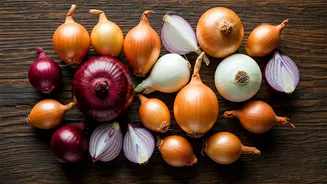
Shallots are a member of the onion family with a more delicate and complex flavor profile. They offer a subtle balance of sweetness and sharpness, and are often considered a gourmet ingredient. Shallots are used raw in salads and vinaigrettes, where their gentle onion flavor shines. They can also be sautéed, roasted, or caramelized, adding a layer of depth to various dishes. When cooking, shallots should be handled with care to avoid burning them. They are fantastic when used in sauces, such as beurre blanc, where their distinctive flavor is appreciated. Shallots add a touch of sophistication to any meal.
Exploring Yellow Onions
Yellow onions, a kitchen staple, are known for their sharp, pungent flavor when raw, which mellows and sweetens as they cook. These onions have a brownish-yellow skin and firm white flesh. They are ideal for various cooking applications, from sautéing and caramelizing to use in soups and stews. Yellow onions develop deep flavor as they cook. Caramelized yellow onions are a popular ingredient, lending a sweet, savory depth to dishes. The flavor of yellow onions pairs well with garlic, herbs, and other vegetables. They are often the go-to choice for adding an oniony foundation to many savory preparations.
Sweet Onion Delight
Sweet onions, as the name suggests, have a mild, sweet flavor, making them ideal for eating raw or in dishes where a gentler onion flavor is desired. Varieties like Vidalia and Walla Walla are famous examples. They have a high sugar content and low sulfur content. Sweet onions are often used in salads, sandwiches, and grilled dishes, where their mildness won’t overwhelm the other flavors. They can also be caramelized to a deep golden color, showcasing their sweetness. Their tender texture and delicate taste make them a favorite choice for those who prefer a less pungent onion experience. Sweet onions are a welcome addition to many meals.
Green Garlic's Allure
Green garlic, the immature form of garlic, is harvested before the bulb fully develops. It has a mild garlic flavor with a fresh, grassy note. This early harvest provides a gentler flavor than mature garlic. It looks similar to scallions, with a white bulb and green stalks, and it is frequently used in spring cooking. Both the bulb and green leaves are edible and can be used in dishes. Green garlic can be chopped and added raw to salads or lightly cooked in soups and stir-fries. It offers a fresh, garlicky flavor that's less intense. Green garlic is often used as a seasonal treat in early spring, a sign of freshness and flavor.
The Bold Red Onion
Red onions have a distinctive red or purplish skin and a vibrant, slightly pungent flavor. They are often eaten raw. Red onions are a favorite for salads, sandwiches, and as a garnish. When eaten raw, they offer a sharp, intense taste, adding a burst of flavor. They also mellow slightly when cooked, but maintain their attractive color. They're great in salsas, pickling, and grilling, and can also be caramelized for a sweeter, yet still slightly sharp taste. Red onions add color and complexity to a variety of dishes. The color makes them visually appealing as well.
Ramps and Pearl Onions
Ramps, also known as wild leeks, are a seasonal treat with a strong garlic-onion flavor. They are often foraged and appear in the spring. Ramps can be used in a range of dishes, from sautés and pasta sauces to pestos and soups. Pearl onions, small and round, offer a delicate, sweet flavor. Their small size makes them ideal for pickling or adding whole to stews and braises. They require a gentle cooking approach to preserve their texture. Ramps provide a wild, pungent flavor while pearl onions offer a more refined sweetness. Both ingredients offer unique tastes and are valued in different cuisines.