



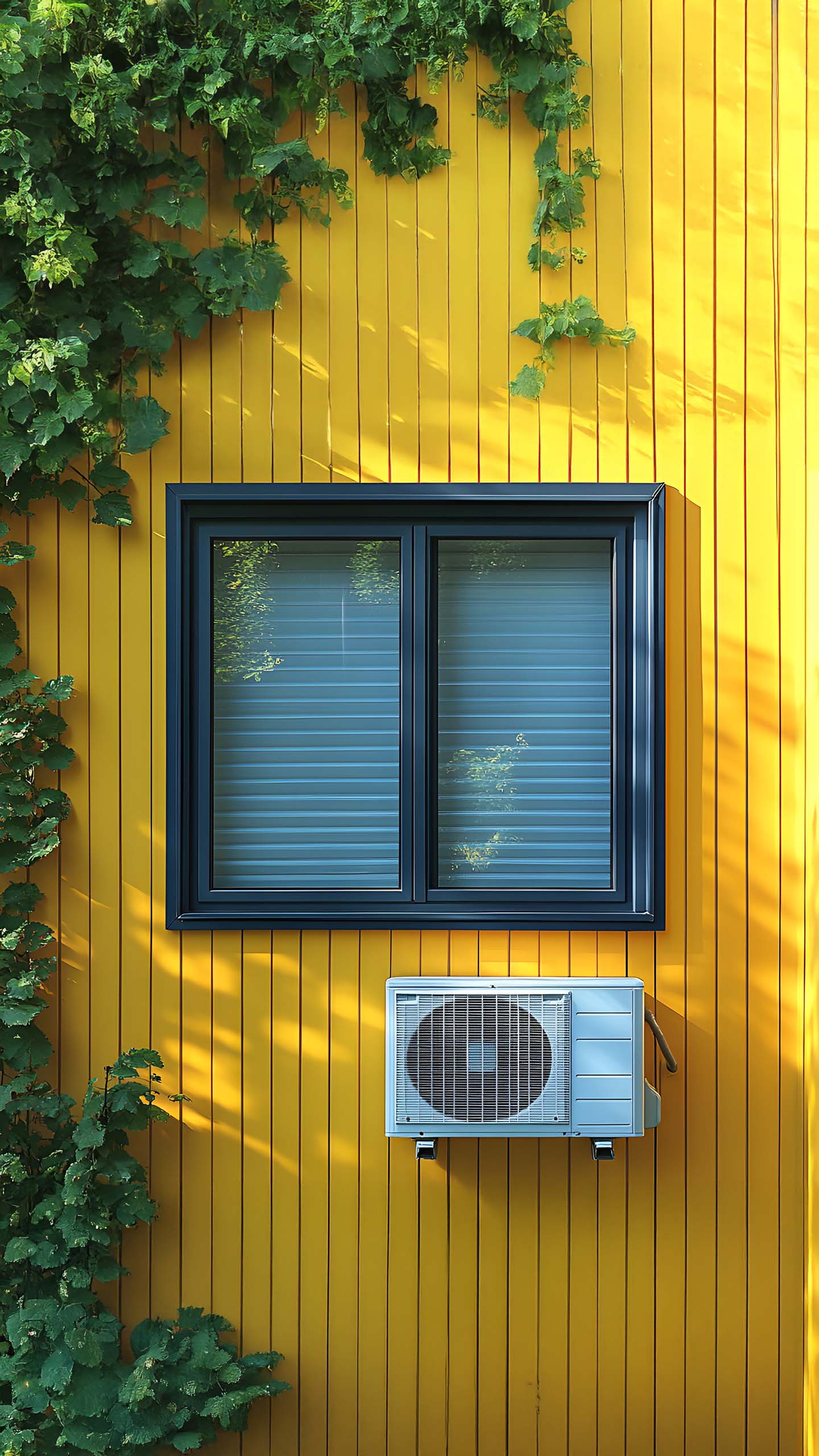


Reduced Cooling Performance
One of the most immediate and noticeable indications that your air conditioning system requires attention is a decline in its cooling efficiency. If you find
yourself constantly adjusting the thermostat to achieve a comfortable temperature, or if certain rooms remain stubbornly warm despite the AC running, it's a clear sign something is amiss. This diminished capacity can stem from various issues, such as refrigerant leaks, a clogged condenser coil, or a malfunctioning fan. Ignoring this symptom can lead to the system working harder than necessary, increasing energy consumption and potentially causing further damage, ultimately impacting its lifespan and your comfort.
Unusual Noises & Vibrations
Your air conditioner should operate with a relatively consistent hum. Any sudden appearance of strange sounds, such as grinding, rattling, buzzing, or squealing, should be taken seriously. These noises often point to mechanical problems within the unit. For instance, grinding might indicate issues with the compressor or fan motor bearings, while rattling could mean loose parts. Excessive vibrations accompanying these sounds further suggest internal components are out of balance or have become dislodged. These are not merely annoyances; they can be precursors to significant system failures that necessitate costly repairs.
Energy Bill Spikes
A healthy air conditioning system operates efficiently, contributing predictably to your household's energy consumption. A sharp, unexplained increase in your electricity bills, particularly during periods of normal use, can be a strong indicator that your AC is no longer running optimally. Inefficiencies can arise from a multitude of factors, including dirty filters that restrict airflow, a refrigerant charge that's too low or too high, or an aging compressor. When the system has to work harder to achieve the desired temperature due to these underlying problems, it consumes significantly more power, translating directly into higher utility costs.
Foul Odors Emanating
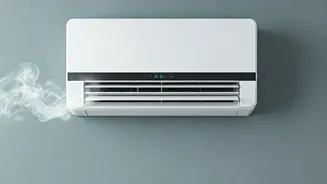
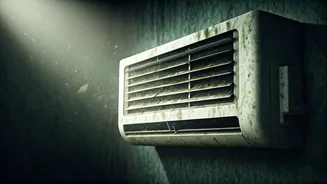
The presence of unpleasant smells emanating from your air conditioner is a critical health warning. A musty, moldy, or even a stale, dusty odor can signal the presence of mold, mildew, or bacteria growth within the unit's internal components, particularly in damp areas like the evaporator coils or drip pan. These microorganisms can then be circulated throughout your living space, potentially triggering allergies, respiratory irritation, and other health issues. A persistent burning smell could indicate an electrical problem, posing a fire hazard. These odors are direct indicators of contamination that needs immediate professional attention.
Water Leakage & Dripping
Observing water pooling around your AC unit, whether it's an indoor or outdoor component, is a clear sign of a problem that requires prompt intervention. This leakage often occurs when the condensate drain line becomes clogged with dirt, algae, or debris, preventing the normal removal of moisture collected during the cooling process. A frozen evaporator coil can also lead to water dripping as the ice melts. Beyond being a nuisance, such leaks can cause water damage to your home's structure, promote mold growth in surrounding areas, and signal a more significant operational issue with the cooling system itself that needs to be addressed to prevent further damage.