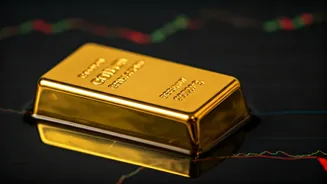







Record-Setting Rally
The gold market witnessed an extraordinary event, as prices surged, reaching unprecedented levels. Initially, the value of gold climbed nearly 3%, breaking
existing records. This upward movement saw prices surpassing $5,200. This upward momentum was a significant event, capturing the attention of investors and market analysts. The initial surge was a clear indication of robust demand and confidence in the metal's potential. Investors viewed gold as a safe haven amid economic uncertainties, contributing to its soaring value. The swift rise underscored the dynamic nature of the market and the factors that influence gold's attractiveness to investors, who were looking for a store of value. The market's reaction demonstrated a strong belief in gold's stability and potential for future growth.
Dollar's Significant Plunge
Simultaneously, the US dollar's performance played a critical role in gold's ascent. The dollar experienced a substantial decline, reaching a four-year low. This weakening of the dollar had a direct impact on gold prices. Typically, as the dollar weakens, gold, often priced in dollars, becomes more affordable for buyers holding other currencies. This increased affordability tends to boost demand for gold, further propelling its price upwards. The plunge of the dollar created a favorable environment for gold, which served as a hedge against inflation and currency devaluation. The interplay between the dollar and gold highlights the global financial landscape and how currency fluctuations influence investment strategies in precious metals. Investors frequently turn to gold as a secure asset in times of economic instability, like a weaker dollar.
Market's Dynamic Response
The price of gold dipped following its rapid increase, indicating the dynamic nature of the market. After the initial surge, a pullback occurred, suggesting profit-taking and some degree of market correction. The market's response demonstrates the complexities of trading in a volatile asset. Various factors could contribute to the price adjustment, including shifts in investor sentiment and changes in economic outlooks. The dip offered a chance to assess the sustainability of the rally and the underlying market fundamentals. It serves as a reminder of how quickly market conditions can change and the importance of adapting to these movements. Traders and investors closely monitor such developments, as they provide valuable insights into future market direction. The correction phase is not unexpected after a rapid price increase.
Economic Influences Examined
Several economic factors influenced gold's price fluctuations. Concerns about inflation, geopolitical tensions, and interest rate policies create an uncertain investment environment. These elements often lead investors to allocate capital into safe-haven assets, such as gold. Expectations about future economic performance also guide market behavior. As these factors evolve, the price of gold is impacted, prompting a reaction from investors. Market participants consider various economic indicators, making investment decisions based on their assessment of the overall economic climate. The global economic conditions can trigger reactions in the gold market, leading to significant price variations. This intricate relationship between economic factors and gold prices helps to understand the market's behavior.
Gold's Safe-Haven Status
Gold's traditional role as a safe-haven asset significantly impacts its value. During periods of financial uncertainty, gold usually sees increased demand as investors look for secure places to store their wealth. It provides a hedge against inflation and acts as a store of value. This feature makes it attractive, especially when the global economy faces challenges. Geopolitical tensions or economic instability drive investors towards gold, which in turn causes the price to increase. The safe-haven aspect of gold often sees more investment during times of economic distress. As a consequence, gold's value rises in situations where other investment options may decline. This feature makes gold an integral part of many investment portfolios, acting as a buffer against market volatility.