





Unmasking Visceral Fat
When we think about shedding pounds, our attention typically fixates on the subcutaneous fat we can see and touch, the layer just beneath our skin that
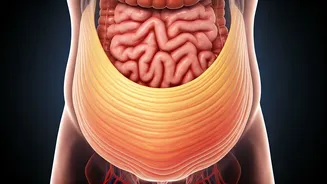
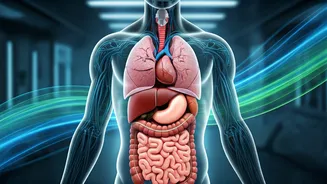
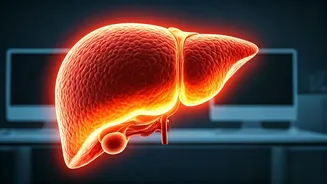
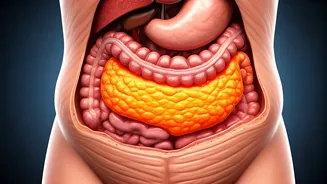
we aim to diminish. However, a leading cardiothoracic surgeon with two decades of experience highlights that this visible fat is not the primary health concern. The real danger lies deeper within the abdominal cavity, where visceral fat accumulates around vital organs like the liver, pancreas, and intestines. This internal fat, unlike its superficial counterpart, is not easily noticeable from the outside but is significantly more hazardous due to its active metabolic processes. It plays a more insidious role in our body by interfering with essential hormonal functions and inflammatory responses, silently increasing the risk of serious metabolic and cardiovascular conditions over time.
The Perils of Internal Fat
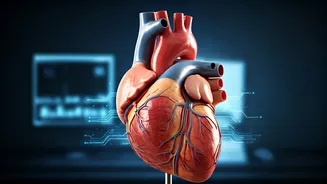
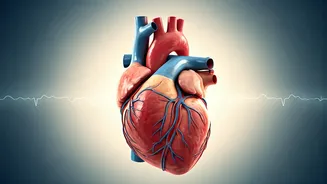
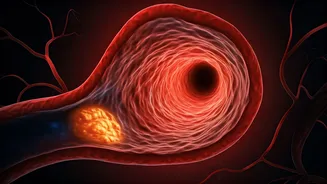
The elevated presence of visceral fat poses a substantial threat to our overall well-being, according to insights from a distinguished heart surgeon. This type of fat is characterized by its remarkable metabolic activity, functioning much like an endocrine organ. Instead of merely storing energy, visceral fat actively releases pro-inflammatory substances, known as cytokines, into the bloodstream. This constant influx of inflammatory markers escalates systemic inflammation throughout the body, significantly heightening the likelihood of developing chronic health issues. These include insulin resistance, which can lead to type 2 diabetes, non-alcoholic fatty liver disease, and a considerable increase in the risk of cardiovascular diseases, such as heart attacks and strokes.
Assessing Your Risk
Identifying your potential risk from excess visceral fat doesn't require complex medical procedures initially. A straightforward method suggested by the surgeon involves calculating your waist-to-height ratio. Simply measure your waist circumference and divide it by your total height. If this ratio exceeds 0.5, it's an indication of an increased risk associated with accumulating visceral fat and its subsequent metabolic complications. For those seeking a more definitive and detailed understanding of their body fat distribution, advanced diagnostic tools like a DEXA scan are available. These scans offer precise insights into how fat is distributed throughout the body, providing a clearer picture of visceral fat levels and related health implications.
Strategies for Reduction
The news regarding visceral fat is not all dire; it is often the first type of fat the body tends to shed when consistent exercise regimens are adopted. Engaging in regular physical activity, even as simple as brisk daily walks, can yield significant positive changes over time. Furthermore, combining this increased movement with a mindful approach to calorie intake can amplify the effects, accelerating fat loss and effectively reducing overall metabolic risk. Therefore, adopting a lifestyle that incorporates consistent exercise and controlled calorie consumption is a powerful strategy for mitigating the dangers posed by visceral fat and improving long-term health outcomes.