




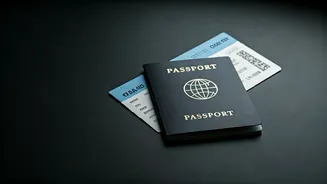


Understanding Visa-Free Access
Visa-free travel offers a streamlined way to enter a foreign country without the pre-departure hassle of obtaining a visa. This arrangement typically applies
to short stays for purposes like tourism, business engagements, or transit. Countries implement these policies to boost their tourism sectors, foster stronger international relationships, and simplify the process for global travelers. For instance, destinations heavily reliant on tourism find that visa-free options make them more appealing and accessible to a wider audience. The benefit for travelers is straightforward: instead of spending weeks gathering documents and awaiting approval, they can often book their flights and depart with just a valid passport. However, it's crucial to grasp that this convenience doesn't negate the need to adhere to the destination country's specific entry stipulations. These often include having a passport valid for at least six months, possessing confirmed accommodation, and demonstrating sufficient financial resources to support yourself during your visit. Despite the absence of a visa, all travelers are still subject to immigration checks upon arrival. Immigration officials have the authority to review your documents, inquire about your travel intentions, and confirm that you meet all the stipulated entry requirements. Therefore, while visa-free travel eliminates the need for advance paperwork, successful entry remains contingent on fulfilling these conditions.
Entry Isn't Guaranteed
Visa-free travel grants you the privilege of presenting yourself at a country's border without having secured a visa beforehand, but this does not automatically grant you permission to enter. The ultimate decision rests with immigration officers, whose role is to ensure that all visitors comply with the nation's laws and entry criteria. They conduct individual assessments based on the documentation provided, the responses given during interviews, and the overall credibility of the traveler. Essentially, visa-free travel allows you to request entry, not to enter unconditionally. Immigration authorities possess the full authority to exercise their discretion. If they are not convinced by a traveler's stated intentions or their documentation, they have the right to refuse entry and arrange for the individual's deportation, even if no laws have been broken. This fundamental principle applies universally, irrespective of the traveler's nationality or the destination country. Even individuals holding valid visas can face denial of entry if immigration officials harbor any reservations or concerns about their circumstances. The responsibility lies with the traveler to satisfy the immigration officer that they meet all the requirements for admission.
Reasons for Denial
When traveling to a country that permits visa-free entry, several factors could lead to a denial of admission. Typically, this occurs when immigration officers harbor doubts about a traveler's genuine intentions or their readiness for the trip. A very common reason for rejection is the inability to clearly articulate the purpose of your visit. If you struggle to explain your planned itinerary, where you will be staying, or your arrangements for returning home, it can raise suspicion. Furthermore, a lack of supporting evidence, such as confirmed hotel reservations, proof of sufficient funds, or return flight tickets, can fuel concerns that you might intend to overstay the allowed period. In certain instances, inconsistencies in your answers during questioning can also lead to a negative assessment. Immigration officers frequently ask standard questions about your travel plans, the intended duration of your stay, and the reason for your visit. Confusing or contradictory responses can significantly impact their judgment. Moreover, any prior immigration infractions, like overstaying a visa in any country, can influence these decisions. Even if a past violation occurred in a different nation, it can affect how immigration authorities perceive your reliability. It's important to remember that immigration officers are not obligated to provide a detailed justification for their decisions; their primary duty is to safeguard the integrity of their nation's borders.
Closer Scrutiny for Visa-Free
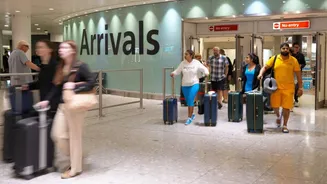
Visa-free travel bypasses the initial screening process that is a standard part of visa applications. When you apply for a visa, authorities have the opportunity to meticulously review your financial standing, your travel history, and your declared intentions well before you embark on your journey. With visa-free arrangements, this crucial evaluation takes place directly at the airport upon your arrival. Immigration officers are tasked with rapidly determining whether you meet all the requisite conditions for entry. Consequently, they may opt to ask more probing questions or to examine your documents with greater scrutiny. This heightened level of examination should not be interpreted as unfair treatment of visa-free travelers. Instead, it simply reflects a shift in the screening process, moving from the embassy or consulate to the point of entry at the border. The responsibility for a thorough assessment now falls on the officers at the airport, who must make a swift and informed decision about your admissibility.
Ensuring Smooth Entry
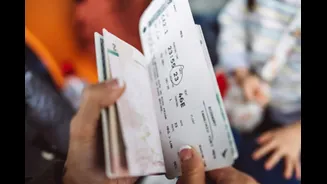
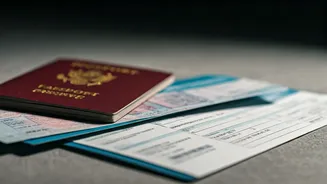
For the vast majority of travelers, navigating visa-free entry is generally a smooth experience, particularly for those who are diligent in their preparations. Carrying all the necessary documentation can significantly contribute to a seamless process. Immigration officers are keen to see clear evidence that your visit is temporary and that you have concrete plans to depart within the stipulated timeframe. Having confirmed hotel bookings, confirmed return flight tickets, and a basic outline of your travel itinerary are key pieces of evidence that help establish the legitimate purpose of your visit. Demonstrating that you possess sufficient funds to cover your expenses during your stay reassures authorities that you can support yourself without becoming a burden. Additionally, having travel insurance and other supporting documents can further bolster your credibility. Equally vital is maintaining clarity and honesty in your interactions. Be prepared to answer any questions confidently and consistently. Providing accurate information and conveying your genuine intention to travel for tourism will greatly minimize the chances of encountering complications. Always consult official embassy advisories prior to your travel, as entry regulations and procedures can be subject to change.