




Sleep: The Undisputed Champion
When it comes to cultivating long-term cardiovascular health and overall well-being, a leading heart surgeon unequivocally places sleep in the paramount
position, declaring it 'king.' This vital practice is far more than mere rest; it's a critical period for the body's essential repair and regeneration mechanisms, directly influencing the efficiency and resilience of your heart. Adequate, quality sleep plays a pivotal role in regulating blood pressure within healthy ranges, significantly reducing inflammation throughout the body, and optimizing the overall function of your cardiac system. Without sufficient sleep, the body struggles to perform these fundamental restorative processes effectively, potentially undermining the benefits gained from other health-conscious efforts. Therefore, prioritizing a consistent and restorative sleep schedule is the foundational element for a thriving heart.
Diet and Exercise Synergy
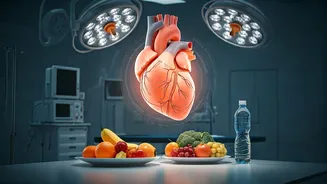
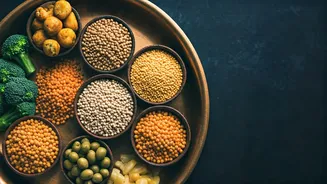
While sleep takes the top spot, a balanced approach to diet and exercise is a close contender for heart health. The surgeon emphasizes that a diet rich in whole foods—specifically an abundance of fruits and vegetables along with healthy fats—is crucial for nourishing the body. Conversely, he advises significantly limiting the intake of processed foods and added sugars, which can negatively impact cardiovascular function. Alongside nutrition, regular physical activity is indispensable. Although specific forms of exercise like rucking (walking with added weight) offer substantial cardiovascular benefits by improving aerobic capacity, the surgeon notes that any consistent form of aerobic training is highly beneficial. This combination of mindful eating and regular movement forms a powerful duo that supports a healthy heart.
Oral Hygiene's Crucial Role
Beyond the more commonly discussed pillars of sleep and diet, the surgeon highlights the surprisingly significant impact of maintaining excellent oral hygiene on cardiovascular health. Daily practices such as brushing your teeth thoroughly and regular flossing are not just about preventing cavities or gum disease; they have a direct and profound influence on your heart. Poor oral health can lead to inflammation and bacterial infections that can enter the bloodstream, potentially contributing to systemic inflammation and increasing the risk of heart disease. Therefore, dedicating time to consistent and effective oral care is a surprisingly powerful habit for safeguarding your cardiovascular well-being, often outweighing the benefits of certain supplements.
Supplements vs. Foundational Habits
In the landscape of wellness trends and popular supplements, the surgeon offers a pragmatic perspective. While some supplements, like CoQ10 (a naturally occurring antioxidant vital for energy production and heart support), can offer advantages, they are generally ranked lower in importance compared to fundamental daily habits. The surgeon notes that the benefits derived from even beneficial supplements are unlikely to compensate for deficiencies in core lifestyle practices. For instance, while red wine contains beneficial polyphenols, the quantity required to achieve significant health benefits would likely be detrimental overall, making CoQ10 a preferable choice in that specific comparison. This underscores the surgeon's core message: foundational habits like sleep, diet, exercise, and oral hygiene are the true cornerstones of heart health, with supplements playing a secondary, supportive role at best.