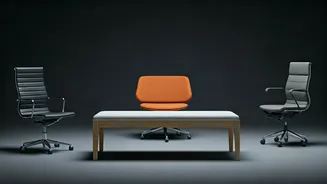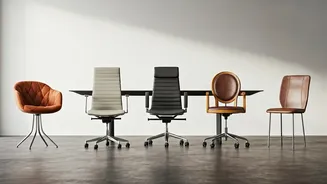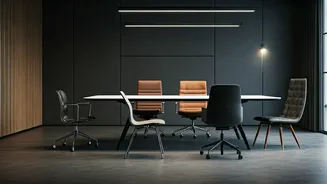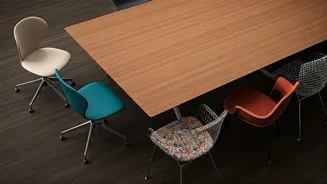







The Intuitive Seat Selection
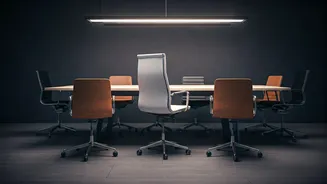
Our subconscious minds often guide our choices, even in simple decisions like picking a chair in a room. Before consciously assessing comfort or view,
there's an almost instinctual pull towards a particular spot. This seemingly minor act can offer profound insights into our underlying nature and how we tend to present ourselves, especially within the dynamic environment of meetings. The location you gravitate towards isn't random; it's a silent declaration of your typical approach to social interactions and problem-solving within a group context. This test encourages you to tap into that instinct and explore what your preferred seating position might be communicating about your core traits and your role in collaborative settings.
The Co-Pilot's Position
Selecting Chair 1 signifies a desire to be actively involved and contribute meaningfully. You're drawn to the central hubs of activity, not out of a need for control, but from a place of wanting to be supportive and instrumental. You see yourself as a vital team member, akin to a reliable first mate, ready to assist and execute plans as directed by leadership. While you respect authority, you remain uninhibited by it, viewing proximity to the core as essential for effective alignment and backing. When situations become unpredictable or chaotic, you are the steadfast individual who ensures operations continue smoothly, acting as a crucial stabilizing force within the team's dynamics.
The Diplomat's Space
Opting for this seat suggests a preference for being well-informed without being the focal point of attention. You possess a keen sense of observation and a diplomatic flair. By positioning yourself close to key figures, you can readily grasp nuances and understand underlying intentions, yet you maintain a comfortable distance for personal space. Your approach prioritizes group harmony, often leading you to observe the room's atmosphere before actively participating. This measured approach allows you to contribute thoughtfully after assessing the situation, embodying a balanced and considered engagement style within discussions.
The Strategic Thinker
Choosing Chair 3 points to a personality that thrives on introspection and a measured approach. You don't feel compelled to fill conversational voids, often finding that discussions can become rushed. Instead, you allow conversations to unfold while you meticulously analyze all perspectives. Your valuable contributions often arise after careful consideration, highlighting a crucial point that others might have overlooked. This deliberate restraint is a significant strength, enabling you to manage high-pressure situations by maintaining your own pace, unswayed by the urgency around you. Your thoughtful process ensures clarity and depth in your input.
The Analytical Observer
This seating choice indicates someone who engages with a critical eye, present and involved but not automatically agreeable. You approach matters with an analytical mindset, scrutinizing arguments for potential flaws or oversights. While others might nod in agreement for the sake of consensus, you are likely considering reasons why a proposal might falter. Your intention isn't to obstruct, but rather to prioritize accuracy and robust outcomes over superficial ease. You are comfortable voicing a dissenting opinion, understanding that healthy skepticism often leads to superior results and more thorough decision-making processes.
The Direct Interrogator
Selecting the chair that directly faces authority figures suggests a high degree of self-assurance and a straightforward communication style. You are transparent with your thoughts and do not shy away from expressing them candidly. In moments of tension, you tend to lean in rather than withdraw. You welcome robust debate and appreciate individuals who can articulate their viewpoints clearly, mirroring your own directness. This position reflects a confidence in challenging ideas and engaging in open dialogue, valuing assertive exchange.
The Silent Watcher
Gravitating towards the periphery of the gathering suggests you are an astute 'silent observer.' You excel at reading people and understanding non-verbal cues. Though you may remain quiet, your mental processes are highly active and sharp. When you do choose to share your thoughts, your insights often stem from a unique vantage point that others may have missed. Your strength lies in observing from the edges, processing information comprehensively before entering the main discussion, offering a distinctive and valuable perspective.
The Selective Contributor
This choice indicates a conscious effort to conserve mental energy. You are less interested in the superficial aspects of meetings, such as posturing or unnecessary chatter. While remaining mentally present, you engage selectively, akin to a strategist choosing the opportune moment to act. You don't feel obligated to comment on every point, preferring to speak only when your input is most impactful. This approach helps maintain your composure and prevents mental exhaustion under pressure, ensuring your contributions are both timely and significant.
The Harmonizing Presence
You embody the emotional core of a group, possessing a natural attunement to the feelings of those around you. Your presence tends to diffuse tense or formal atmospheres, creating a more welcoming environment. You are adept at offering comforting gestures, engaging in light conversation, or using humor to help others feel at ease and more inclined to express themselves openly and connect with you.
The Dedicated Follower
This seating preference reveals a pronounced desire for guidance and clear instructions. You feel secure and supported when positioned close to the leader, indicating a commitment to following their lead. By maintaining proximity to the source of authority, you ensure you are aligned with their vision and objectives. Your confidence often stems from being part of the inner circle, drawing strength and direction from that close association.