




The Unprotected Scalp
While we diligently apply sunscreen to our faces and bodies during the summer months, a critical area often escapes our protective radar: the scalp. Dermatologists
are increasingly pointing out that this part of our skin is equally susceptible to the damaging effects of the sun. Dr. Gaurav Garg, a consultant dermatologist, highlights that summer brings a surge in patients reporting scalp discomfort, including flaking, soreness, and noticeable redness beneath the hairline. These symptoms are clear indicators of sun damage, mirroring what occurs on other sun-exposed skin. Despite its vulnerability, the scalp is rarely a focus of our daily sun protection routines, yet it reacts promptly to intense solar radiation, underscoring the need for greater awareness and care.
Why Scalp Burns?
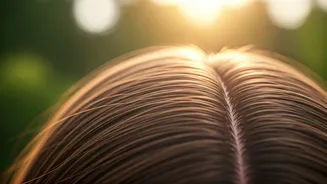
The vulnerability of the scalp to sunburn is amplified by factors like thinning hair, wide hair parts, or complete hair loss due to medical conditions such as alopecia. While hair provides a natural barrier, its effectiveness diminishes significantly under strong sunlight or prolonged outdoor exposure. When ultraviolet (UV) rays penetrate this limited defense, they can directly impact exposed skin, leading to burns. Consistent, unprotected exposure can accelerate the aging of scalp tissues and, more concerningly, increase the risk of developing skin growths, including squamous cell carcinoma over time. The less coverage available, the greater the strain on the scalp's defenses with every unprotected minute spent in the sun.
Recognizing Scalp Sunburn
Identifying a sunburned scalp might be trickier than on other body parts due to hair coverage, but the signs are distinct. Initially, redness appears on the scalp, often accompanied by tenderness when the area is touched. A prickling or tingling sensation may follow, especially noticeable when brushing hair. In the subsequent days, the affected skin can begin to peel in fine layers, rather than remaining intact. In some instances, painful spots might emerge without immediate visual indication. These symptoms often go unnoticed until the severity escalates beyond mild irritation, as the natural covering of hair limits early detection.
Effective Prevention Strategies
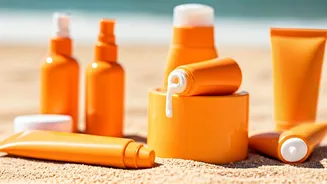
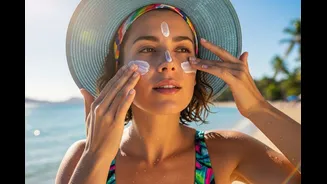
Protecting your scalp from the sun involves straightforward yet vital measures. Dr. Garg strongly advises wearing a wide-brimmed hat, which offers reliable physical shielding when you're outdoors. For those who prefer not to wear headwear, applying sunscreens specifically formulated for scalps is a viable alternative. These products often come in lightweight mist, gel, or powder forms that absorb quickly without leaving a sticky residue. It is crucial to use sunscreens with an SPF of 30 or higher, as this provides substantial protection against harmful UV rays and significantly reduces sun damage. Pay special attention to areas where the scalp is most exposed, such as along the hairline and at the partings.
Timing and Immediate Care
Understanding when UV intensity is at its peak is crucial for preventing scalp sunburn. Dermatologists emphasize that the hours between 10 AM and 4 PM typically experience the strongest ultraviolet exposure. Therefore, minimizing outdoor activities during this midday period is highly recommended. Should a scalp sunburn occur, prompt and careful management is necessary. Dr. Garg suggests applying cool compresses to soothe discomfort and using mild moisturizers. Crucially, staying out of direct sunlight will help prevent the condition from worsening and allow the skin to heal properly.