






Nutrition Foundations
Understanding nutrition-focused meals starts with grasping the fundamentals of a balanced diet. It's about ensuring your body receives all the essential
nutrients it needs to function optimally. This includes macronutrients – carbohydrates, proteins, and fats – which provide energy and support various bodily functions. Carbohydrates are the primary source of fuel; proteins are vital for building and repairing tissues; and fats play crucial roles in hormone production and nutrient absorption. Micronutrients, such as vitamins and minerals, are also essential, although consumed in smaller amounts, they are involved in numerous metabolic processes. A well-rounded approach incorporates these key elements, along with sufficient hydration, which also enhances overall well-being. Focusing on whole, unprocessed foods, such as fruits, vegetables, whole grains, and lean proteins, makes it easier to meet your nutritional needs and maintain a healthy weight. Choosing the right fats, such as those found in avocados, nuts, and olive oil, further supports your heart health. Building your meals around these components provides your body with everything it requires to be its best, leading to increased energy levels, improved mood, and a decreased risk of chronic diseases.
Meal Planning Strategies
Effectively planning your meals is critical for adopting a nutrition-focused lifestyle. It helps to ensure that you consistently consume nutritious foods and reduces the temptation of unhealthy options. Start by assessing your weekly schedule and making a list of meals and snacks you will need. Consider your dietary preferences, any allergies or intolerances, and your time constraints when creating your plan. Meal prepping a few times a week is an efficient technique, as it allows you to prepare components of your meals in advance. This might involve washing and chopping vegetables, cooking grains, or portioning out proteins. Use your meal plan as a grocery shopping guide to buy only what you require, which also helps prevent food waste. Think about the variety and balance on your plate; incorporate a mixture of colorful fruits and vegetables, lean proteins, and whole grains at each meal. It's also wise to consider portion sizes when planning. Utilize tools like measuring cups and food scales to gain a better understanding of what appropriate portions look like. Plan your snacks as well; this could include fruits, vegetables with hummus, nuts, or yogurt. Having healthy snacks readily available can help prevent overeating and maintain energy levels between meals. Reviewing and adjusting your meal plan periodically will help you remain on track and adapt to any changes in your lifestyle. Be flexible and don't get discouraged if your plan needs adjustment; the goal is to make healthy eating sustainable and enjoyable for the long term.
Portion Control Mastery
Mastering portion control is essential for managing your weight and optimizing your nutrition. It’s not just about what you eat but also how much. Understanding correct portion sizes enables you to meet your nutritional needs without overeating. A simple approach is to use the MyPlate guidelines, where a visual representation of your plate is divided into sections for fruits, vegetables, grains, and protein. Aim to fill half your plate with fruits and vegetables, a quarter with whole grains, and a quarter with lean protein. Start with smaller portions and wait before going back for seconds; this can help you recognize your body's fullness cues and prevent overeating. Pay attention to packaged foods; read the nutrition facts panel and pay close attention to the serving size and the number of servings per container. Restaurant meals often come with oversized portions, so consider splitting a meal with someone, ordering an appetizer as your main course, or asking for a to-go container immediately to save half for later. Use smaller plates and bowls at home to make your portions seem larger and help with mindful eating. Avoid eating directly from large containers; portion out your snacks into a bowl or bag to control your intake. Slow down while eating and savor each bite; this will give your body time to register fullness, which typically takes around 20 minutes. Being mindful of portion sizes is a crucial skill that can contribute to a healthier relationship with food and ultimately support your overall well-being. It is about balancing your daily intake with your energy expenditures to sustain the best health outcomes.
Healthy Meal Ideas
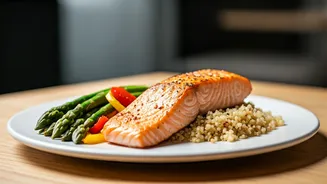
Creating delicious and nutritious meals can be surprisingly simple with a little creativity and planning. Consider starting your day with a breakfast that includes protein and fiber, such as oatmeal topped with berries and nuts or a Greek yogurt parfait with fruit. For lunch, try a vibrant salad with grilled chicken or chickpeas, or a whole-grain wrap filled with lean turkey, vegetables, and hummus. Dinner presents an opportunity for a complete and balanced meal. Opt for grilled salmon with roasted vegetables and quinoa, or a flavorful lentil soup with a side of whole-wheat bread. When preparing snacks, keep healthy options readily accessible to avoid less nutritious choices. Fruits like apples, bananas, and oranges are quick and easy. Vegetables paired with hummus or a small handful of almonds also make for a satisfying snack. Prepare a big batch of a healthy dish, such as a vegetable stir-fry or a hearty soup, to have as ready-to-eat meals or sides throughout the week. Be adventurous with your choices and experiment with new ingredients and recipes; for example, try using different herbs and spices to enhance the flavors of your meals. Incorporating these simple meal ideas into your weekly routine will not only enhance your nutritional intake but also support a sustainable, healthy lifestyle. Remember, creating healthy meals should be an enjoyable process, and you should allow yourself flexibility while aiming for consistency. The more you explore, the more you will discover delicious ways to nourish your body and thrive.