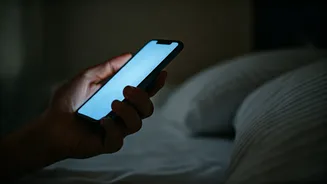







The Habit Eye Doctors Dislike
Many people incorporate screen time into their pre-sleep routine, whether it's scrolling through social media, watching videos, or reading on a tablet.
While this might seem like a relaxing way to wind down, eye doctors are increasingly concerned about the effects of prolonged exposure to blue light emitted from these devices. This artificial light can disrupt the body's natural production of melatonin, a hormone crucial for sleep regulation. Furthermore, the intense focus required for screen engagement can lead to digital eye strain, characterized by symptoms like dry eyes, blurred vision, and headaches. The blue light wavelengths can also potentially contribute to long-term damage to the retina. Experts suggest implementing a digital detox at least an hour before bedtime, opting for calming activities like reading a physical book or listening to a podcast to allow your eyes and mind to transition into a state conducive to restful sleep, thus safeguarding your visual health.
Creating Better Sleep Hygiene
To cultivate optimal sleep and protect your vision, establishing a consistent and healthy sleep routine is paramount. This involves more than just avoiding screens; it encompasses creating a conducive sleep environment and adopting calming pre-sleep rituals. Ensure your bedroom is dark, quiet, and cool, as these conditions promote deeper and more restorative sleep. Consider incorporating relaxation techniques such as deep breathing exercises, meditation, or gentle stretching to help quiet your mind and prepare your body for rest. Warm baths are also known for their soothing effects. Additionally, maintaining a regular sleep schedule, even on weekends, helps to regulate your body's internal clock, making it easier to fall asleep and wake up naturally. Prioritizing these habits not only enhances the quality of your sleep but also contributes significantly to the long-term health and well-being of your eyes.