


Granular Grime Nightmare
The allure of physical exfoliants, particularly those derived from the kitchen like sugar and coffee grounds, is strong, but the reality is far less pleasant
for your delicate facial skin. Under microscopic examination, the seemingly innocuous sugar crystals and coffee grounds reveal themselves to be rough, jagged particles, akin to tiny shards of glass. When these are vigorously scrubbed across your pores, they don't gently slough away dead skin; instead, they inflict micro-tears across the epidermis. This process isn't exfoliation; it's essentially inflicting trauma upon your skin. Consequently, your skin rapidly loses essential moisture, leading to severe dehydration and predisposing it to premature aging. These gritty substances are far better suited for areas like your elbows, not the sensitive skin on your face.
Baking Soda's pH Peril
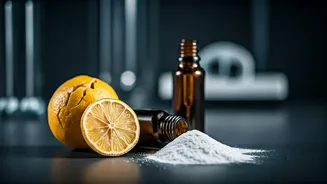
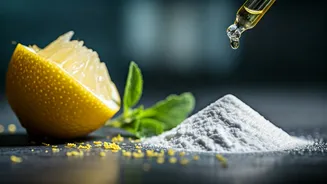
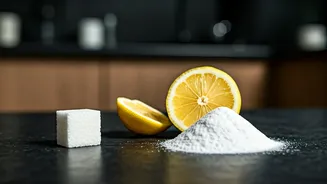
While lemon juice presents an acidic sting, baking soda offers an alkaline catastrophe for your skin. With a pH level of approximately 9, baking soda is inherently very basic. Although often praised in online forums as a miraculous exfoliator, its use actually demolishes your skin's protective acid mantle. Forcibly elevating your skin's pH strips away the vital lipids that fortify your skin's defenses. This disruption creates an ideal breeding ground for acne-causing bacteria. You're not just drying out a pimple; you're compromising the structural integrity of the surrounding skin tissue, which can lead to persistent dryness and an eventual surge in oil production as a rebound effect. The kitchen is for cooking, not chemistry experiments on your face.
The 'Natural' Deception
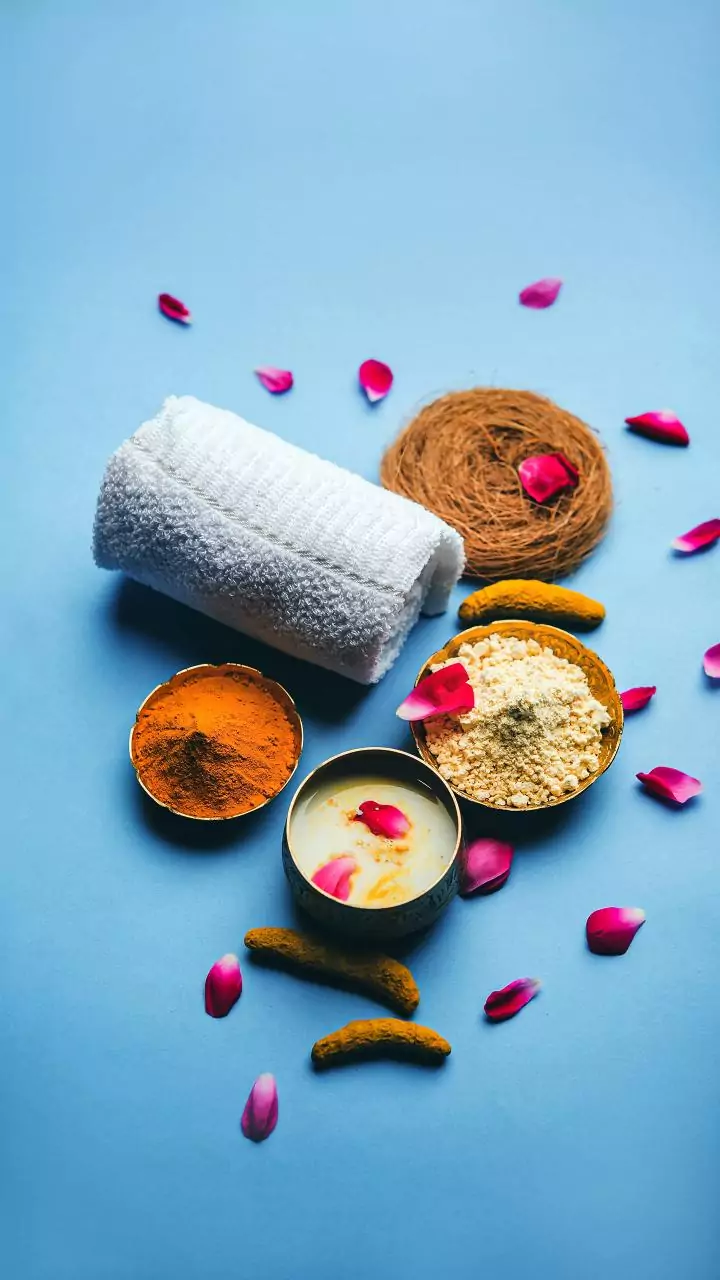
It's a curious paradox: we meticulously research and demand robust scientific evidence for the medications we consume, yet we readily embrace DIY skincare advice from fleeting 15-second online videos that suggest applying raw pantry ingredients to our faces. The internet has successfully demonized the term 'chemical' and elevated 'natural' to a universal pass for safety. However, the uncomfortable truth that many lifestyle influencers omit is that 'natural' does not automatically equate to 'safe.' In fact, the very homemade skincare routines you engage in might be the primary reason your skin barrier is signaling distress and crying out for help. It's time to critically examine the science behind these viral trends and understand why treating your face like a mixing bowl is a dangerous practice.
Fresh Concoctions' Risks
Beyond the ingredients themselves, the danger extends to the preparation and application of 'fresh' skincare concoctions. While egg whites might be touted for their pore-tightening effects, or blended oats presented in aesthetically pleasing jars, these homemade remedies carry significant risks. Commercial skincare products utilize broad-spectrum preservatives for a crucial reason: to prevent microbial contamination. Raw egg whites, for instance, pose a genuine risk of transmitting Salmonella onto your skin. Similarly, an oatmeal and milk paste left out on your vanity, lacking preservatives, can transform into a hazardous biological experiment within a mere 48 hours. Applying spoiled, bacteria-laden food to an already compromised skin barrier is a direct route to developing fungal infections and severe cystic breakouts. Your kitchen pantry should remain dedicated to culinary pursuits, not dermatological experimentation.
Lemon's Acidic Assault
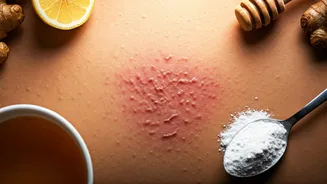
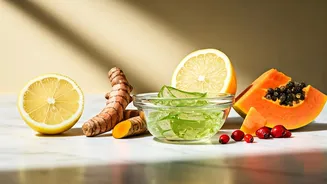
Let's address the common practice of rubbing raw lemon juice onto dark spots, believing it will instantly brighten the skin. The reality is starkly different. Your skin naturally thrives in a mildly acidic environment, with a pH typically around 5. Lemons, however, possess a harsh pH of approximately 2, which is dangerously close to battery acid. Applying lemon juice doesn't enhance your complexion; it triggers a localized chemical burn. Furthermore, lemons contain compounds known as psoralens. If you expose your skin to sunlight after applying a DIY lemon mask, you significantly increase your risk of phytophotodermatitis, a severe reaction characterized by blistering and intense inflammation. For individuals with melanin-rich skin tones, this 'glow hack' can result in persistent dark marks that are exceptionally difficult and time-consuming to fade.
Essential Oils' Potent Peril
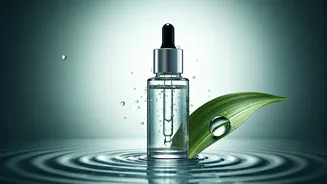
While a single drop of tea tree oil on a blemish or a splash of lavender water might seem harmless, the potential for adverse reactions is substantial. Essential oils are highly concentrated, volatile plant chemicals. Their pleasant, luxurious aromas often lead us to believe they can be applied liberally, but this is a dangerous misconception. Dermatologists frequently treat cases of Allergic Contact Dermatitis stemming from this exact habit. Certain compounds within essential oils, such as linalool, can trigger severe and cumulative sensitization. While you might escape negative consequences the first few times, your immune system can eventually mount an aggressive response, leading to weeping, intensely itchy rashes. Remember, even poison ivy is entirely natural, yet undeniably harmful.