






Borabanda Raid Uncovers
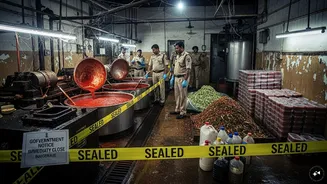
In a significant development for food safety in Hyderabad, authorities conducted a surprise inspection in the Borabanda area, specifically in Madhura Nagar.
This operation, carried out by food safety officers and the Khairatabad Zone Commissioner’s Task Force, targeted a unit identified as A1 Sahara Gold Ginger & Garlic Paste. The investigation led to the apprehension of the individual in charge of the operation, Mohd Abdullah, as reported by The Hindu. This action underscores a growing concern over the standards of commonly used food ingredients available to the public and businesses across the city.
Filthy Production Environment
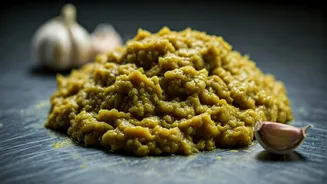
The conditions within the A1 Sahara Gold unit were found to be deeply concerning and far from compliant with food safety regulations. The ginger-garlic paste was being processed and stored in rudimentary plastic containers that lacked any semblance of proper sanitation. The manufacturing process involved the addition of basic ingredients such as citric acid and salt. Critically, the finished product was left in open tubs, exposed to airborne contaminants including dust and flies, creating a breeding ground for bacteria. Food safety officials unequivocally deemed the product unfit for human consumption due to these egregious unsanitary practices, highlighting a severe disregard for public health.
Widespread Distribution Network
Investigations revealed that this dangerously produced ginger-garlic paste was not confined to a small, localized operation. According to reports from The Hindu, law enforcement indicated that the paste was being systematically supplied to a wide array of establishments throughout Hyderabad. This included numerous small retail outlets (kirana stores), a variety of restaurants, and catering services. The primary driver for this illicit activity appears to have been profit maximization, with little to no consideration for the safety and well-being of the consumers who would ultimately ingest the product. The scale of distribution points to a potentially significant public health risk.
Licensing Irregularities Exposed
Further scrutiny of the unit's operations uncovered substantial issues with its licensing credentials. The Food Safety and Standards Authority of India (FSSAI) license associated with the operation was found to be problematic, specifically concerning the registered address. The location stated on the official certificate did not correspond with the actual physical site where the ginger-garlic paste was being manufactured. This discrepancy suggests a deliberate attempt to circumvent regulatory oversight, operating under a facade of legitimacy while engaging in unsanitary production methods.
Goods Seized in Raid
The surprise inspection resulted in the confiscation of a substantial quantity of the illicit product and associated equipment. As detailed in the official report, authorities seized an impressive 1,155 kg of the ginger-garlic paste. Alongside the finished product, vital production machinery was also impounded, including a grinder used for processing, a weighing scale for portioning, and various packing materials. The total estimated value of the seized goods, encompassing the paste, equipment, and materials, was reported to be approximately ₹2.5 lakh, underscoring the significant scale of the illegal enterprise.
Legal Proceedings Initiated
Following the raid and the seizure of goods, all evidence and the apprehended individual have been transferred to the Tappachabutra police station. This marks the beginning of formal legal proceedings against those involved in the unhygienic production and distribution of the ginger-garlic paste. An ongoing investigation is underway, aiming to gather further evidence and ensure that appropriate legal action is taken to address the violations of food safety regulations and protect public health.