


The Science of Tan Dissolving
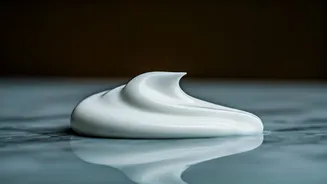
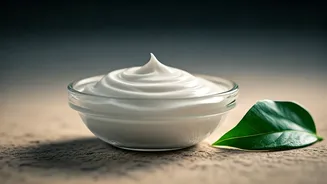
Contrary to a simple kitchen paste, malai possesses a scientific basis for its tan-removing capabilities. Its key component is lactic acid, a naturally
occurring Alpha Hydroxy Acid (AHA). Unlike abrasive physical exfoliants that can irritate sun-damaged skin, lactic acid works at a microscopic level. It gently dissolves the intercellular 'glue' that binds dead, pigmented skin cells. This chemical exfoliation process effectively accelerates skin cell turnover, allowing the darkened top layer to shed naturally over time. This gradual shedding reveals brighter, lighter skin underneath, making it a gentle yet effective approach to combatting stubborn Indian summer tans.
Hydration and Targeted Delivery
Beyond its exfoliating properties, malai offers significant benefits for post-sun skin recovery. Sun exposure compromises the skin's natural lipid barrier, leading to dehydration and dullness. The rich saturated fats, proteins, and ceramides abundant in malai act as potent emollients, helping to repair this barrier and lock in moisture. This is crucial for restoring the skin's supple texture and healthy glow. Furthermore, sun exposure can trigger inflammation, potentially leading to post-inflammatory hyperpigmentation where the skin produces excess melanin. Malai's cooling properties help to calm this inflammation, preventing this defensive darkening. When combined with turmeric, the fats in malai act as an effective carrier for curcumin, the fat-soluble compound in turmeric that inhibits melanin production, enabling deeper penetration and enhanced tan-fading results.
Who Should Avoid Malai
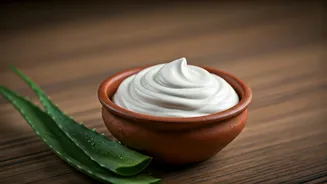
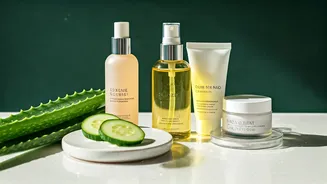
While malai is a celebrated remedy, it's not universally suitable for all skin types. Dermatologists issue a strong caution: this remedy is primarily recommended for individuals with dry to normal skin. Malai is highly comedogenic, meaning it has a significant tendency to clog pores. For those with oily, acne-prone, or breakout-prone skin, applying a thick cream like malai can exacerbate existing issues. The rich fats can trap natural sebum, create a breeding ground for bacteria, and lead to severe breakouts. If you have oily skin, experts advise opting for lighter alternatives such as plain yogurt or aloe vera for tan removal.
Malai vs. Other DIYs
Despite the caution for oily skin types, dermatologists often endorse malai over more aggressive DIY tan removal methods. Popular viral hacks involving harsh ingredients like raw lemon juice or tomato juice are strongly discouraged. The high acidity in lemon, for instance, can cause chemical burns on skin that is already sensitive from sun exposure. Malai, in contrast, is naturally pH-balanced and considered much safer. However, it's important to manage expectations. Malai works on surface-level pigmentation and offers gradual fading effects. It is not a miraculous overnight solution for deep UV damage or advanced photo-aging. It should be viewed as a gentle, consistent treatment for lightening existing tans rather than a drastic skin transformation.