





Goggles: Your First Defense
As temperatures climb, the allure of a cool swimming pool becomes irresistible. However, before plunging in, it's crucial to safeguard your eyes. A leading
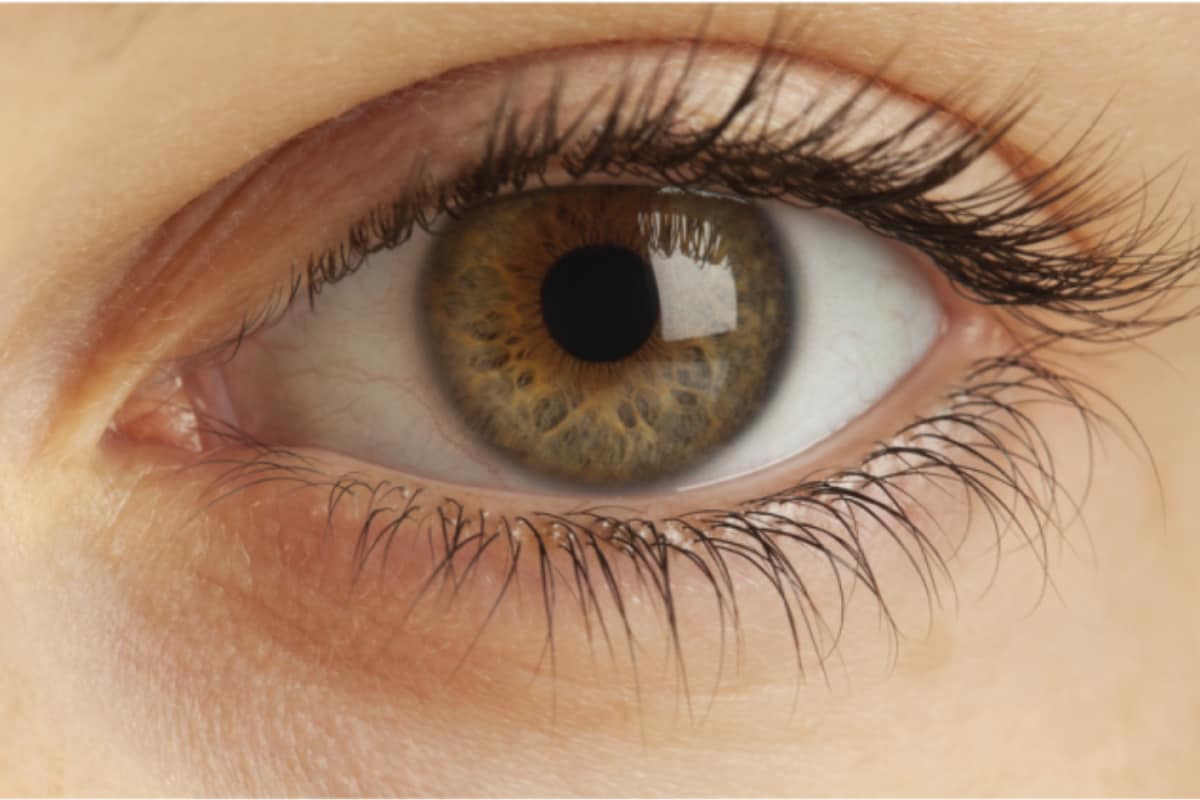
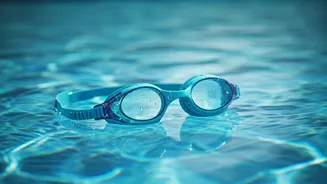
ophthalmologist recommends that wearing well-fitting swimming goggles is the most effective barrier against the irritants found in pool water. Chlorinated water, in particular, can cause significant discomfort, leading to redness, itching, and irritation. Goggles create a seal that prevents this potentially harmful water from directly contacting your eyes. For those who require vision correction, prescription swimming goggles, also known as RX goggles, are an excellent alternative to standard contact lenses, ensuring clear sight without compromising eye safety. These specialized goggles not only keep out chemicals but also help maintain the natural tear film, which is vital for eye comfort.
Post-Swim Eye Care
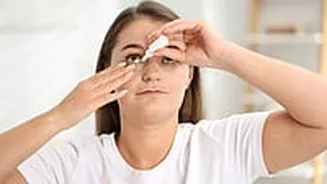
Even with the best goggles, a small amount of pool water might still come into contact with your eyes. Therefore, it's highly recommended to rinse your eyes immediately after finishing your swim. Using clean, fresh water or a sterile saline solution can effectively wash away any lingering chemicals or microscopic contaminants that may have entered your eyes. This simple step helps prevent irritation, redness, and dryness. Additionally, gently splashing water over closed eyelids can remove any residue from chlorine or other pool treatments that might have settled on your lashes and the surrounding skin. For those experiencing dryness, preservative-free artificial tears can be a helpful addition to restore moisture.
Resist the Urge to Rub
A fundamental rule for maintaining good eye health, especially after swimming, is to refrain from rubbing your eyes. This action can inadvertently introduce harmful bacteria and other irritants, significantly increasing the risk of developing infections and inflammation. If you experience any itching or discomfort, the preferred method of relief is to use lubricating eye drops. For individuals who rely on contact lenses, it's imperative to remove them before swimming. Contact lenses can act as a magnet for bacteria when exposed to water, and the chlorine can further trap these microorganisms against the eye, escalating the risk of serious corneal infections. Opting for prescription goggles is a much safer choice for those needing vision correction.
Hydration for Healthy Eyes
Maintaining adequate hydration plays a pivotal role in overall bodily health, and this extends to the well-being of your eyes. When you are properly hydrated, your body efficiently produces tears, which are essential for naturally cleansing and lubricating your eyes. This natural process helps to counteract the drying effects that pool chemicals can have on your eyes. Furthermore, it's beneficial to shower before entering the pool. This pre-swim shower helps wash away any oils or lotions from your face, preventing them from mixing with the pool's chlorine. This, in turn, reduces the formation of chloramines, the primary culprits behind that uncomfortable burning and itching sensation often experienced in chlorinated pools.