





The Rise of Austere Diets
In contemporary urban India, a noticeable trend has emerged where individuals, influenced by celebrities and wellness gurus, adopt highly restrictive eating
patterns. This often involves prolonged fasting periods, sometimes up to 18 hours, followed by minimal intake, such as a few almonds or a teaspoon of ghee, and an overemphasis on quinoa. This phenomenon, coupled with the widespread use of protein powders, raises questions about its sustainability and impact on well-being, especially when contrasted with essential needs and resource availability. The article begins by setting the stage for this discussion, highlighting how these extreme dietary choices are becoming increasingly prevalent and prompting a closer look at their underlying rationale and potential consequences, moving beyond mere anecdotal endorsements to investigate the substance, or lack thereof, behind these popular health movements.
Personal Water Rituals
The author shares a personal routine that mirrors some celebrity wellness practices, starting the day with 'water therapy.' This involves consuming warm water infused overnight with seeds like fenugreek, fennel, or coriander, which is then heated and strained. This is followed by nutrient-dense juices, typically a green concoction blending fruits like apple and orange with vegetables such as celery, bottle gourd, cucumber, ginger, mint, and amla, or a red variant incorporating beetroot and carrot. A cup of ginger tea usually completes this morning regimen. The piece contrasts this with the celebrity preference for ghee over tea, suggesting a divergence in popular wellness approaches. The author acknowledges the personal satisfaction and perceived benefits, such as improved skin, derived from these hydration and detoxification rituals, setting a foundation for exploring the scientific validity of such practices.
The Celebrity Diet Blueprint
Celebrity endorsements often paint a picture of a highly controlled and exclusive diet, focusing on specific ingredients and exclusion of perceived 'unhealthy' foods. A common recommendation involves a daily spoonful of ghee, followed by chewing flaxseeds. Traditional staples like white rice are often shunned in favor of brown rice, and meat prepared with yoghurt might be avoided. Extended fasting periods are frequently promoted. Drinks like almond milk, which is essentially pureed almonds and water, and natural sweeteners like dates are favored over refined sugar. Even baked goods are re-imagined, with recipes excluding butter, sugar, and traditional flour, often using coconut milk as a dairy substitute, altering the taste profile significantly. These trends suggest a deliberate effort to adhere to a perceived ideal of health and physical appearance, driven by the demands of the entertainment industry.
Nutritional Insights from Experts
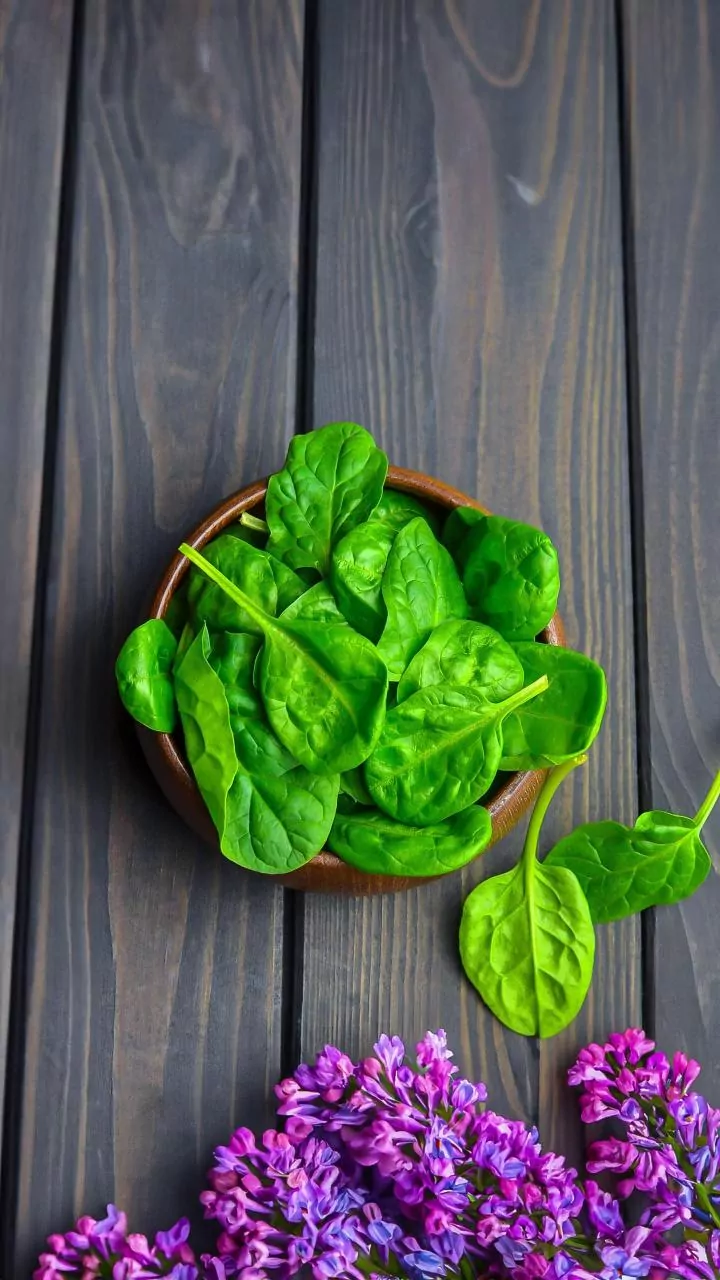
Delhi-based nutritionist Shweta Ahuja Arora sheds light on the potential science behind some of these dietary choices. Green juices, for instance, are identified as effective ways to flood the body with essential vitamins like A, D, E, and K, along with folate, promoting hydration, skin health, and gut well-being, particularly during warmer months, and aiding detoxification. Brown rice is lauded for its higher fiber content compared to white rice, contributing to weight management by promoting satiety and stabilizing blood sugar levels; however, portion control remains crucial. Yogurt is highlighted as a vital daily inclusion for its protein and probiotic content, supporting a healthy gut microbiome. Pomegranates are recognized for their rich iron, folate, and antioxidant properties, while beans and pulses offer substantial soluble and insoluble fiber, aiding in prolonged fullness, cholesterol management, and fat loss.
Herbal Drinks and Practicality
While herbal drinks are often touted for weight loss, their direct impact is minimal. Instead, their benefits lie in facilitating better digestion, improving sugar control, and curbing cravings, which indirectly supports weight management efforts. The article also addresses the practical challenges of adhering to such elaborate diets. Preparing specialized meals, like fresh cheelas or cooking brown rice, demands significant time and effort, making them difficult to integrate into a busy professional life. Furthermore, these health-focused diets can be considerably more expensive than conventional meals, such as toast with eggs or roti with curry. The author emphasizes that celebrities often have dedicated staff to manage these dietary preparations, a luxury not typically available to the average person, highlighting a disconnect between celebrity wellness and everyday reality.
Celebrity Lifestyles and Advice
The article acknowledges the intense pressure celebrities face regarding their physical appearance, where even minor weight fluctuations or a puffy look can significantly impact their careers. This necessitates meticulous dietary control and often a team of assistants to manage their complex meal plans, including multiple juices, brews, smoothies, and pre-prepped ingredients. The author, while not a nutritionist, offers practical advice: focus on healthy, home-cooked meals in small portions, incorporate daily exercise, even a brisk walk, and opt for natural protein sources over excessive consumption of protein shakes. This approach is presented as a path to greater happiness and a more sustainable lifestyle, even if it doesn't generate the same level of online buzz as highly restrictive, ascetics-like diets.