
Dietary Fundamentals
The cornerstone of any successful weight loss plan is a well-structured diet. For Indians, this involves embracing the richness of traditional foods while
making mindful choices. Focus on consuming whole, unprocessed foods like fresh fruits, vegetables, lentils, and lean proteins. Incorporate a variety of colorful vegetables and fruits into your daily meals to ensure a broad spectrum of nutrients. These foods are naturally lower in calories and rich in fiber, which aids in satiety and regulates digestion. Portion control is essential; be conscious of serving sizes and avoid overeating. Regularly consuming meals at set times helps regulate metabolism. The use of traditional cooking methods, like steaming, baking, and grilling, is encouraged to minimize added fats. Gradually reduce consumption of refined carbohydrates such as white rice and breads, replacing them with healthier alternatives like brown rice and whole wheat. Keep track of your daily calorie intake, aiming for a moderate deficit to ensure consistent weight loss. The key is to find a sustainable eating pattern that aligns with your lifestyle and preferences, making it easier to stick to long-term goals.
Exercise Regimen
Physical activity plays a crucial role in weight management, and there are many fitness options to suit different preferences and fitness levels. Begin with moderate-intensity exercises like brisk walking, jogging, or cycling for at least 30 minutes, most days of the week. Gradually increase the intensity and duration as you gain fitness. Strength training is equally vital, helping to build muscle mass, which boosts metabolism and burns more calories even at rest. Incorporate exercises that target all major muscle groups, using bodyweight exercises or resistance bands. Yoga and Pilates are excellent choices for enhancing flexibility, balance, and core strength, while also contributing to calorie expenditure. Regular physical activity can lead to various health benefits like improved mood and reduced risk of chronic diseases. Find an exercise routine that you enjoy and that fits into your daily schedule. Consider joining a gym or hiring a personal trainer for guidance and motivation. Consistency is more important than intensity; aim to make exercise a regular part of your lifestyle to achieve and maintain weight loss.
Lifestyle Adjustments
Weight loss is not solely about diet and exercise; lifestyle changes play a significant role. Prioritize sleep, aiming for at least 7-8 hours each night, as sleep deprivation can disrupt hormones that regulate appetite, leading to overeating. Manage stress levels through relaxation techniques such as meditation, deep breathing exercises, or spending time in nature, as chronic stress can also lead to emotional eating. Stay hydrated by drinking plenty of water throughout the day, as it aids in metabolism and can reduce cravings. Limit alcohol consumption, as alcohol is calorie-dense and can interfere with weight loss efforts. Break down your weight loss goals into smaller, achievable steps. Celebrate your successes to stay motivated. Surround yourself with a supportive network of friends and family who encourage your healthy habits. Monitor your progress by tracking your weight and measurements regularly, adjusting your approach as needed. Consider consulting a nutritionist or a health coach for personalized guidance and support. Focus on making sustainable changes that will have a positive impact on your overall well-being, not just on your weight.
Indian Food Choices
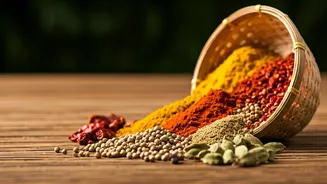
Embracing Indian cuisine while losing weight requires mindful choices and portion control. Many traditional Indian dishes can be incorporated into a weight loss plan with simple modifications. Focus on consuming lean proteins such as lentils (dal), chickpeas (chhole), and fish. Reduce the amount of added oil and ghee in cooking; use healthier cooking methods like steaming, grilling, and baking. Opt for whole-grain rotis or brown rice over white rice to increase fiber intake. Load your plate with vegetables, such as leafy greens, cauliflower, and beans, which are high in nutrients and low in calories. Be cautious of fried foods, such as pakoras and samosas, which are high in unhealthy fats. When dining out, choose healthier options like tandoori dishes or curries made with less oil. Learn to adapt recipes at home to suit your nutritional needs; for example, using less oil and more spices. Incorporate regional Indian recipes that are naturally lower in calories, as each region offers a diverse array of healthy options. Balance your meals to ensure you receive an appropriate mix of macronutrients and micronutrients. By making informed food choices, you can savor the flavors of Indian cuisine while still achieving your weight loss goals.
Mental Wellbeing
Mental wellbeing is crucial for the success of any weight loss journey, as emotions can significantly impact eating habits and adherence to a fitness plan. Develop healthy coping mechanisms for stress, such as mindful eating, practicing yoga, or engaging in hobbies that provide relaxation. Seek professional help from a therapist or counselor if you struggle with emotional eating or other mental health challenges. Practice self-compassion and avoid negative self-talk, which can undermine your progress. Celebrate your accomplishments and forgive yourself when you encounter setbacks; remember that every day is a fresh start. Set realistic expectations for weight loss, as rapid weight loss can be unhealthy and unsustainable. Cultivate a positive mindset, focusing on the benefits of weight loss, such as improved health, increased energy levels, and enhanced self-esteem. Join a support group or online community to connect with others who are on a similar journey; sharing experiences and offering encouragement can boost motivation. Incorporate mindfulness practices into your daily routine, such as meditation or deep breathing exercises, to manage stress and improve your relationship with food. Prioritize your mental health alongside your physical health to create a holistic and successful weight loss experience.