





The Default Bottle
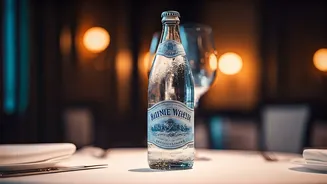
A common sight in many dining establishments is the presence of a bottled water on the table the moment you're seated. This practice, once perhaps involving
basic mineral water priced around Rs 15, has evolved. Increasingly, diners find themselves presented with more expensive options, often priced at Rs 60 or featuring premium brands like Vedica or Himalayan, placed there without explicit request. This seemingly minor detail has sparked conversation and debate online, highlighting a subtle but effective tactic employed by restaurateurs to guide customer expenditure and potentially increase revenue without direct solicitation. The shift from cheaper to pricier default options is a point of contention for many patrons.
The Psychology of Placement
The explanation behind this ubiquitous practice lies in behavioral economics. When an item, in this case, a bottle of water, is already present on the table, it subtly influences our decision-making. It becomes the path of least resistance; declining it requires conscious effort and can even feel awkward, leading many to accept it as the default choice. This passive acceptance means customers may end up spending more than they intended, without ever making an active decision to purchase bottled water. The alternative, a proactive approach where staff inquire about preferences like regular RO water or bottled water, introduces awareness, which can lead to reduced spending. By placing the bottle quietly, the restaurant effectively makes the decision for the customer, leveraging a psychological nudge to encourage higher spending.
Online Debate Unfolds
The viral post sparked a wide array of opinions across the internet. Some users firmly stated that customers are never compelled to purchase the bottled water and can easily decline it, viewing the practice simply as an upselling tactic for the restaurant. Others voiced concerns, particularly for unsuspecting tourists, suggesting that such methods can be a form of subtle deception, where items are provided and then charged for without clear consent. There were also practical suggestions from users, with some admitting to shamelessly requesting a switch to RO water. Many agreed that patrons often don't realize they are thirsty until the bottle is opened, underscoring the marketing aspect that drives revenue for establishments through these pre-placed offerings.